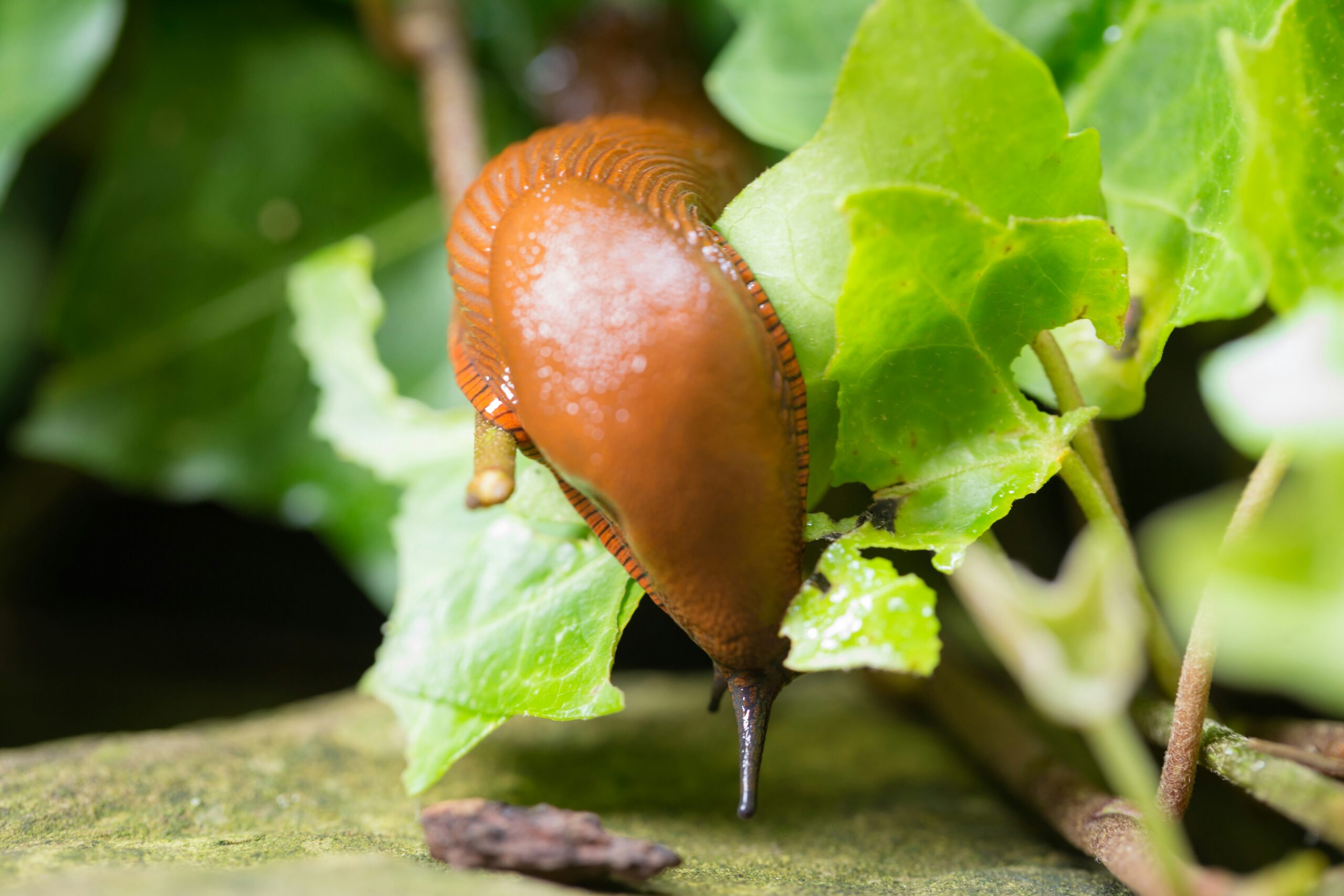
If there is one universal truth about British gardening, it is this: slugs will find your plants. It doesn’t matter if you live in Cornwall or Cumbria, if you have a neat suburban garden or an allotment. The UK’s damp climate is slug paradise — we have around 30 native species of slug and snail, and most of them regard your vegetable patch as an all-you-can-eat buffet. Knowing which plants that repel slugs are suited to UK conditions is one of the most effective things you can do.
The standard response is pellets, but many gardeners are moving away from these. The old-style metaldehyde pellets were banned in the UK in 2022 for good reason — they harm birds and hedgehogs. The ferric phosphate pellets still available are safer but can get expensive. The better long-term solution is to design your garden so it’s naturally less appealing to slugs — and that starts with what you plant.
📖 Also read: How to Grow Lavender in the UK — The One Plant That Thrives on Neglect
Here are 10 plants that repel, deter, or simply don’t interest slugs, and how to use them strategically.
📖 Also read: How to Build a Raised Bed Garden from Scratch
1. Lavender
Lavender’s strong fragrance, which we find beautiful, is intensely off-putting to slugs and snails. The oils in lavender leaves are a natural deterrent. Plant lavender as a border around vulnerable beds, particularly around hostas (slug magnets) or young vegetable seedlings. As a bonus, lavender is drought-tolerant — perfect for the drier summers increasingly common in southern England — and attracts pollinators all season long.
2. Rosemary
Another strongly aromatic herb that slugs avoid. Rosemary is completely winter-hardy in most of the UK (though very severe northern winters can damage it), meaning it provides year-round structure in the garden. Plant it near the entry points of your raised beds or along path edges where slugs travel at night.
3. Astrantia
Astrantia is one of those reliable cottage garden perennials that slugs almost completely ignore. While your hostas are being shredded, astrantia sits untouched. It’s a particularly good choice for shadier spots — the kind of damp, sheltered corner that slugs love — because it fills that space beautifully without giving them anything to eat.
4. Ferns
Hardy ferns are genuinely slug-resistant and thrive in exactly the conditions slugs prefer: shade, moisture, and shelter. Rather than fighting slugs in those damp corners of your garden, plant ferns there instead. They’ll fill the space without losing a single frond to slug damage.
💡 UK CONTEXT: The RHS lists hardy ferns as one of their top recommendations for low-maintenance, wildlife-friendly gardens. Many species are native to Britain and need essentially no care once established.
5. Foxglove
Foxgloves (Digitalis) are tall, dramatic plants that slugs leave alone due to their slightly toxic, bitter leaves. They’re also incredibly easy to grow from seed and self-seed freely once established. In a wild or cottage-style UK garden, foxgloves naturalise beautifully — and they’re a favourite of bumblebees, which are under increasing pressure in Britain.
6. Geraniums (Hardy Cranesbill — Not Pelargonium)
True hardy geraniums — the cranesbill family, not the tender pelargoniums often sold as ‘geraniums’ in bedding plant ranges — are remarkably slug-resistant. They spread to fill gaps in borders, suppress weeds, and come in a wide range of colours. Varieties like Geranium ‘Rozanne’ hold the RHS Award of Garden Merit and bloom for an extraordinarily long period.
7. Aquilegia (Columbine)
These delicate-looking flowers are surprisingly tough. Slugs tend to ignore aquilegias, possibly because of their slightly toxic sap. They’re a classic British cottage garden plant, extremely easy to grow, and they self-seed prolifically — meaning once you have them, you’ll have them forever. A genuine ‘plant and forget’ option for busy gardeners.
8. Euphorbia
Euphorbias produce a milky white sap that irritates slugs (and also irritates human skin, so wear gloves when handling them). They’re one of the most reliably slug-proof plants you can put in a border. Many varieties are evergreen, providing winter structure, and the lime-green flowers in spring are striking. Euphorbia characias wulfenii is a classic choice for UK gardens.
9. Lamb’s Ears (Stachys byzantina)
The soft, silvery, furry leaves of lamb’s ears are slug-proof for the simple reason that slugs struggle to move across the texture. The fuzzy surface acts as a physical barrier. Plant lamb’s ears as ground cover around other plants you want to protect — they’re particularly good around the base of roses.
10. Fennel
Fennel — both the culinary herb and the ornamental bronze variety — is uninteresting to slugs but highly attractive to beneficial insects including hoverflies and parasitic wasps, which prey on garden pests. Tall, feathery, and architectural, fennel adds real impact to a border or vegetable garden while pulling its weight as a natural pest deterrent.
How to Use These Plants Strategically — Plants That Repel Slugs in UK Gardens
Simply having these plants in your garden isn’t enough — you need to use them as physical barriers. The most effective approach is to plant deterrent species around the perimeter of vulnerable beds, creating a buffer zone that slugs are reluctant to cross.
Combine this with other physical deterrents — copper tape around raised beds, crushed eggshells (save and dry them through winter), or a ring of sharp horticultural grit around individual plants — and you’ll dramatically reduce slug damage without any chemical intervention.
📖 Also read: Natural Slug Control That Actually Works — No Pellets, No Chemicals
One final piece of honest advice: you will never completely eliminate slugs from a UK garden. Our climate is simply too well-suited to them. The realistic goal is to reduce damage to an acceptable level — and by choosing the right plants and using them cleverly, you can absolutely achieve that.
💡 UK TIMING NOTE: Slug activity peaks in April–May when the soil warms up, and again in September–October. These are the two periods to be most vigilant about protecting new plantings and seedlings. Evening checks with a torch and a bucket of salty water are low-tech but surprisingly effective.
Leave a Reply