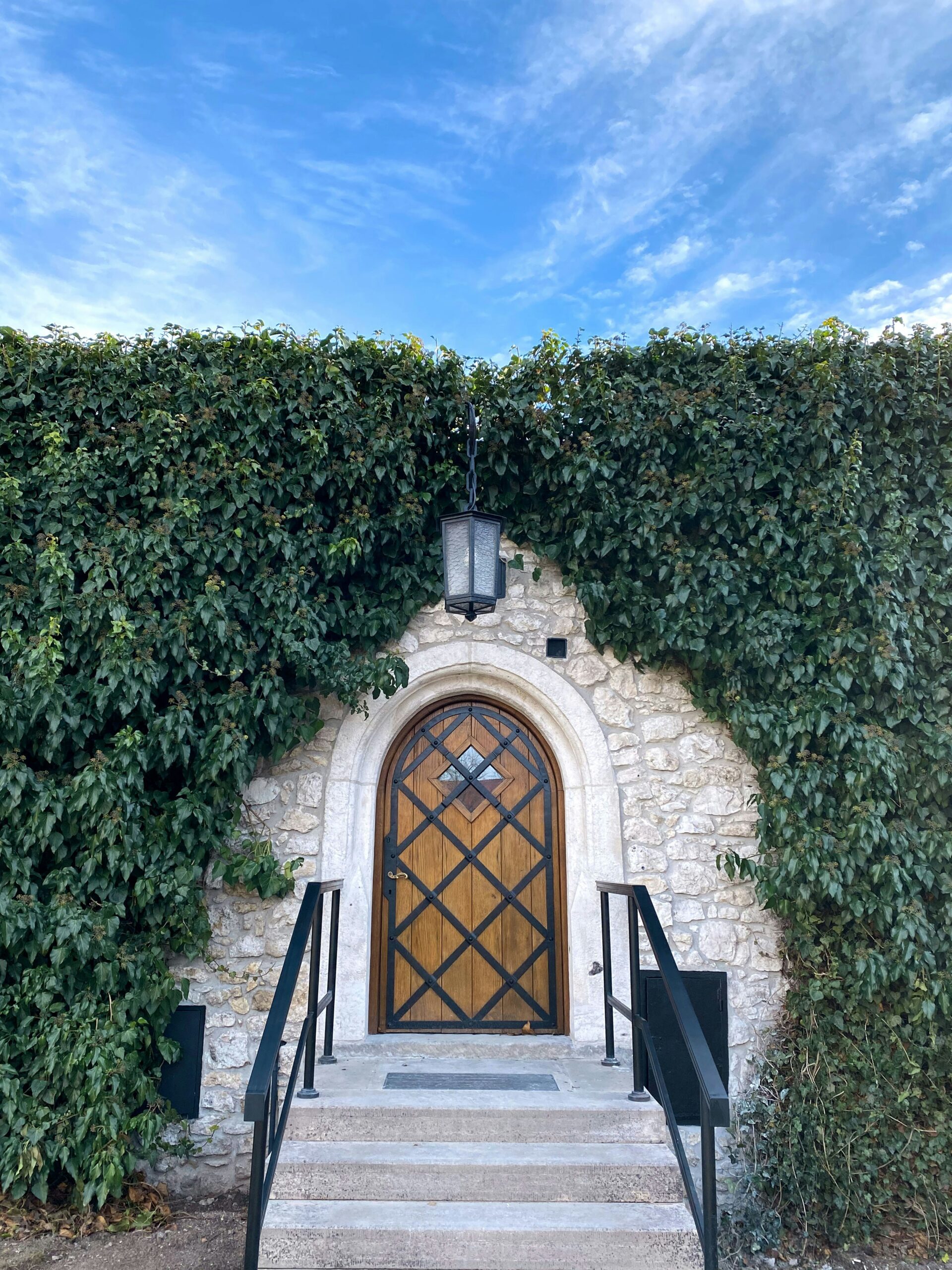
Outdoor Ivy — How to Grow It, Control It, and Use It
Outdoor ivy is one of the most misunderstood plants in the British garden. Ask ten gardeners about it and you’ll get ten different opinions — some swear by it as a low-maintenance ground cover and wildlife haven, others treat it as an invasive thug that devours walls and smothers everything in its path. The truth, as usual, sits somewhere in the middle. Outdoor ivy is genuinely useful and genuinely beautiful when it’s in the right place and managed correctly. Left entirely to its own devices, it lives up to its difficult reputation. Understanding which situation you’re dealing with is the first step to getting outdoor ivy working for you rather than against you.
This guide covers growing it, keeping it in check, and making the most of what it does exceptionally well — because in the right context, there are few better plants for the challenges a British garden regularly presents.
What Outdoor Ivy Actually Is
The ivy most commonly found in British gardens is Hedera helix — common ivy — a native woodland plant that has evolved over millennia to do exactly what it does: climb, spread, root along its stems, and colonise shaded spaces where little else will grow. It is evergreen, fully hardy, and genuinely one of the toughest plants in the UK flora.
It grows in two distinct phases that look and behave quite differently. In its juvenile phase — the familiar lobed, dark green leaves most people picture — it climbs or trails, produces no flowers, and spreads vegetatively. In its adult phase, reached when the plant climbs high enough or ages sufficiently, the leaves become more oval and less lobed, and the plant produces clusters of small greenish-yellow flowers in autumn followed by black berries.
Most garden ivy stays in the juvenile phase indefinitely unless it’s been in place for many years or growing up a tall structure. The adult phase is ecologically the most valuable — the autumn flowers are a critical late-season food source for ivy bees, hoverflies, and other pollinators, and the winter berries feed blackbirds, thrushes, and wood pigeons.
How to Grow Outdoor Ivy: Varieties Worth Knowing
The British native Hedera helix is excellent, but there are dozens of cultivated varieties that offer different leaf shapes, colours, and growth habits — many of which are better suited to specific garden uses than the species.
Hedera helix ‘Glacier’ has small, silver-grey variegated leaves and a relatively restrained growth habit. It’s one of the best choices for containers, small walls, and situations where you want the ivy effect without the vigour of the species.
Hedera helix ‘Goldheart’ produces dark green leaves with a bold central splash of gold. It grows more slowly than the species and is excellent for brightening shaded walls and north-facing fences where few other plants perform well.
Hedera helix ‘Hibernica’ — Irish ivy — is the most vigorous of the common varieties, with large, bold leaves on fast-growing stems. It’s outstanding as a ground cover under trees where little else will grow but should not be planted near structures you don’t want covered.
Hedera colchica ‘Dentata Variegata’ (Persian ivy) has enormous leaves — up to 20cm across — and a dramatic, architectural quality that makes it one of the best choices for covering large walls or fences quickly. It’s less hardy than Hedera helix but tolerates most UK winters without problem.
Where Outdoor Ivy Genuinely Excels
Ground cover under trees is where outdoor ivy is probably most useful in the British garden. Dense, dry shade beneath established trees is one of the hardest gardening challenges — roots compete for water and nutrients, light is minimal, and most plants simply give up. Ivy handles all of it. Plant pot-grown ivy around the base of an established tree, water in well, and it will gradually fill the space over two to three seasons, suppressing weeds, retaining soil moisture, and providing year-round ground cover that looks good in every season.
North and east-facing walls and fences that receive minimal sun are another situation where ivy outperforms almost everything else. A variegated variety like Goldheart will actually brighten a dark, shaded fence, creating greenery and visual interest that no amount of other planting could provide.
Slopes and banks prone to soil erosion benefit enormously from ivy ground cover. The dense, interlocking root system stabilises soil effectively, and once established, ivy on a bank needs virtually no maintenance.
Wildlife habitat is one of outdoor ivy’s most valuable contributions. Dense ivy growth against a wall or fence provides nesting and roosting sites for wrens, robins, and spotted flycatchers. The thick stems and evergreen coverage offer shelter from predators and weather that is genuinely rare in the tidied-up British garden.
📖 Also read: How to Create a Wildlife-Friendly Garden — The UK Beginner’s Guide to Gardening with Nature
Planting Outdoor Ivy
Ivy is not fussy about soil — it will grow in clay, chalk, sand, and everything in between. It tolerates both dry and moist conditions, though it does best in reasonable drainage. It grows in full sun and deep shade, though it performs best in partial shade.
Plant container-grown ivy any time of year, though spring and autumn are ideal as the plant can establish without the stress of midsummer heat or hard winter frost. Dig a hole slightly larger than the root ball, plant at the same depth as it was growing in the pot, and water in well.
For ground cover, plant at 30–45cm spacing and expect coverage to fill in over one to two growing seasons. For wall coverage, plant at the base of the wall and provide a simple wire or trellis for the stems to grip initially — once the aerial rootlets find purchase on the wall surface, they anchor themselves and need no further support.
Water regularly through the first growing season while roots are establishing. Once established, outdoor ivy is largely self-sufficient and rarely needs watering except in prolonged drought.
How to Control Outdoor Ivy
This is where many gardeners come unstuck. Ivy grown without any management does become a problem — it climbs into gutters, lifts roof tiles, engulfs small shrubs, and can eventually cause structural damage to mortar on older walls. Regular, straightforward maintenance prevents all of these issues.
Annual cutting back is all that’s needed for most ivy situations. In late winter or early spring, before birds begin nesting, cut ivy back to the boundaries you want it to occupy. A pair of shears or a hedge trimmer makes short work of it. The cut stems will regrow vigorously, but starting from a controlled baseline rather than last year’s extension makes management much easier.
Keeping ivy off roofs and gutters is important on houses. Cut any stems reaching the eaves back hard each year. Ivy on walls below the roofline is generally harmless on sound modern brickwork, but it can accelerate deterioration of old or damaged mortar — if your pointing is in poor condition, ivy is best kept off that wall entirely.
Preventing ivy from climbing trees is worth doing if you’re concerned about suppression of smaller trees or shrubs. Clear a metre-wide band around the base of any tree you don’t want the ivy to climb, cutting and removing any stems that attempt to grow upward. For established ivy already high in a tree, cut through the stems at ground level — the ivy above will die over several months without removing the structure.
Removing established ivy is hard work but entirely achievable. Cut all stems at ground level in autumn, then treat the cut stumps with a stump killer gel (the only chemical intervention typically required). The above-ground material dies over winter and can be pulled down by spring. The roots take longer — expect regrowth that needs cutting again the following spring.
📖 Also read: The Only Gardening Tools a UK Beginner Actually Needs (And What’s a Waste of Money)
Does Ivy Damage Walls?
This is the question most UK homeowners ask, and the honest answer is: it depends on the wall.
Sound modern brickwork with good mortar is not damaged by ivy. The aerial rootlets grip the surface but don’t penetrate solid masonry. Many buildings in Britain have carried ivy for decades without structural consequence.
Old, soft, or damaged mortar is a different matter. The rootlets find and exploit existing cracks, and over years they can widen them. If your brickwork or pointing is already in poor condition, ivy will accelerate that deterioration.
Render and painted surfaces are damaged by ivy — the rootlets bond to render and pulling the ivy off invariably takes chunks of the surface with it.
Timber fencing and wooden structures are not ideal for ivy. The moisture retained against the timber accelerates rot, and regular management becomes essential to keep the wood accessible for treatment and replacement.
For walls in good condition, ivy is much less of a structural threat than its reputation suggests. For anything that needs regular painting, treating, or that has soft mortar, keep ivy away or use a trellis with a gap between the ivy and the surface.
Outdoor Ivy as a Seasonal Wildlife Calendar
One of the strongest arguments for keeping some outdoor ivy in a British garden is its value across the entire year in ways that few other plants match.
Spring: Dense ivy provides cover for nesting birds — wrens and robins in particular favour it — and the evergreen structure gives early bumblebees shelter on cold nights.
Summer: Ground-covering ivy retains soil moisture and keeps roots of neighbouring plants cool during hot spells. Brimstone butterflies and holly blues use ivy as a larval food plant.
Autumn: The adult-phase flowers, which open from September to November, are one of the most important late-season nectar sources in the UK for ivy bees (a species that has evolved almost specifically to exploit ivy flowers), hoverflies, and red admiral butterflies fuelling up before hibernation.
Winter: The black berries ripen from December onwards, providing food for thrushes, blackbirds, and woodpigeons at the point in the year when other food sources are at their scarcest. Dense ivy also provides roosting cover for wrens, which huddle communally in sheltered vegetation on cold nights.
The RHS guidance on growing ivy covers both ornamental uses and wildlife value in detail, and includes advice on managing ivy on specific structures including trees and masonry.
📖 Also read: 10 Plants That Slugs Actually Hate (And Why Gardeners in the UK Need to Know This)
A Few Final Thoughts
Outdoor ivy gets a worse press than it deserves. The problems associated with it — structural damage, suppression of other plants, uncontrollable spread — are almost always the result of planting it in the wrong place or leaving it entirely unmanaged for years. Managed sensibly, it solves more garden problems than it creates.
For the shaded corner nothing else will grow in, the north-facing fence that needs year-round greenery, the bank that needs stabilising, or the garden that needs more wildlife habitat — outdoor ivy is one of the most practical and ecologically valuable plants in the British gardener’s toolkit. Give it a boundary and hold it to that boundary, and it will reward you for decades.
Leave a Reply