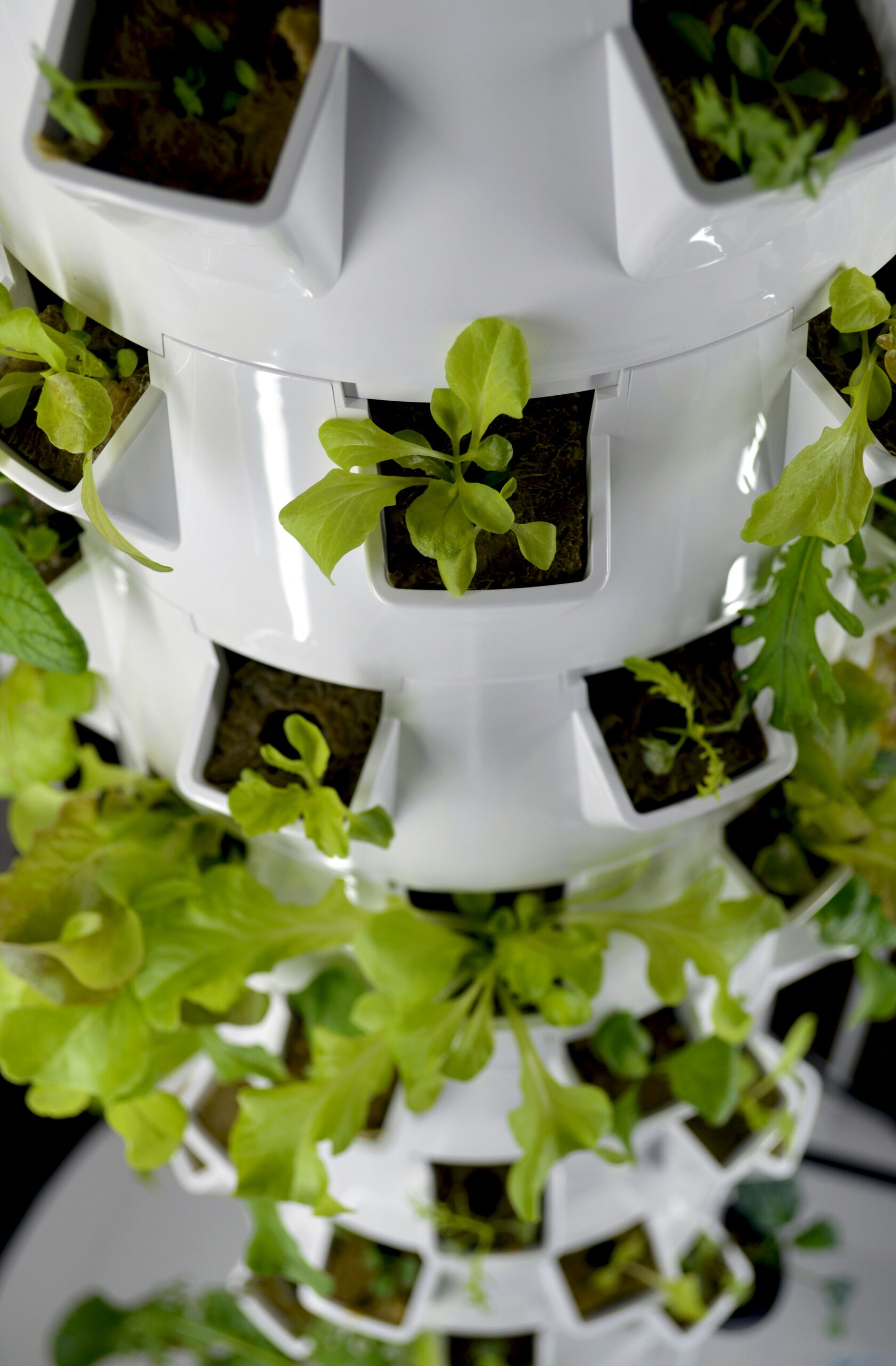
One of the biggest challenges in British gardens is size. The average UK garden is around 190 square metres — and that’s shrinking all the time as new builds prioritise housing density over outdoor space. In cities, many gardeners are working with far less: a small patio, a shared courtyard, or nothing more than a sunny wall.
Vertical gardening sidesteps this problem entirely. A single fence panel can support climbing beans, nasturtiums, or a wall pocket planter filled with herbs. A trellis fixed to a south-facing wall can host a cucumber plant, sweet peas, and a climbing rose — all in a footprint of less than a square metre.
There’s also a microclimate advantage. In the UK, warmth is always at a premium. Walls — especially brick walls facing south or west — absorb heat during the day and release it overnight, creating a slightly warmer growing zone that benefits tender plants like tomatoes, peppers, and peaches. Espaliered fruit trees trained against a sunny wall are a classic example of this, and gardeners have been using the technique in kitchen gardens for centuries.
📖 Also read: Container Gardening Ideas for Small UK Gardens
What to Grow Vertically in the UK
Almost anything that climbs, scrambles, or trails can work in a vertical setup. The key is matching the plant to the structure and the aspect.
Climbing vegetables and fruit are some of the most rewarding choices. Runner beans are a natural fit — they’ll happily race up a wigwam of canes or a trellis and produce all summer. Climbing French beans are slightly more compact and just as productive. Cucumbers, when given something to grip, grow vigorously and are much easier to harvest when the fruits hang down in full view. Squash and courgettes can also be trained vertically, though you’ll need to support heavier fruits with a net or sling made from old tights.
Tomatoes — particularly cordon or indeterminate varieties — are classic vertical growers. Plant them beside a fence, tie the main stem to a stake or wire, and pinch out the side shoots. By midsummer you’ll have a column of fruit rather than a sprawling plant taking up half the border.
Climbing flowers add colour and fragrance and are often surprisingly easy. Sweet peas are probably the best-loved vertical flower in UK gardens — they thrive in our cooler summers and will cover a trellis or obelisk in weeks. Nasturtiums are even easier and will scramble over almost anything without much encouragement. For something more permanent, clematis and roses give you structure year after year.
Herbs and salad leaves work brilliantly in wall-mounted planters, pallet gardens, and pocket systems. Strawberries, too — they trail naturally and look wonderful spilling out of a vertical planter on a sunny wall. Mint is worth mentioning because growing it in a wall planter actually helps contain it, which is exactly what you want with a plant that will otherwise take over your entire garden.
Structures and Systems: What to Use
You don’t need to spend a fortune on specialist vertical garden systems. Some of the most effective setups are made from things you might already have or can pick up cheaply.
Trellis and wire are the simplest starting point. A basic wooden trellis fixed to a fence or wall gives climbers something to grip and costs very little. Horizontal wires tensioned between vine eyes are even more discreet and work particularly well for fruit trees and wall-trained shrubs. Space the wires about 30–45cm apart and fix them tightly — they need to be under tension to be useful.
Pallet gardens have become a staple of the vertical gardening world for good reason. A single wooden pallet, fixed to a wall and lined with landscape fabric, can house a dozen or more plants. Fill the pockets between the slats with a good compost — a multipurpose mix from Westland or Levington works well — and plant it up with herbs, strawberries, or trailing flowers. Just make sure the pallet is heat-treated (look for the HT stamp) rather than chemically treated before using it for edibles.
Pocket planters and felt wall gardens are another option that’s grown in popularity. These fabric pockets hang flat against a wall and let you plant directly into individual cells. They’re lightweight, inexpensive, and can look striking when planted up with a mix of herbs, succulents, or trailing plants. The RHS has useful guidance on vertical planting systems and living walls if you want to explore more elaborate setups.
Obelisks and wigwams are freestanding structures that work in borders or large containers. They’re particularly good for sweet peas, climbing beans, and clematis, and they add height and structure to a planting scheme even before the plants have grown.
Repurposed guttering deserves a special mention. Old plastic guttering, fixed horizontally to a fence in tiered rows, makes an excellent planter for salad leaves, radishes, and herbs. It drains well, takes up almost no space, and looks surprisingly smart painted in a dark green or slate grey.
📖 Also read: How to Grow Runner Beans in the UK
How to Vertical Garden Successfully in the UK: Practical Tips
Choose the Right Aspect
South and west-facing walls and fences get the most sun in the UK. These are the best spots for fruiting crops, heat-loving climbers, and anything that needs warmth to ripen. North and east-facing aspects are shadier and cooler — better suited to ferns, ivy, and some climbing hydrangeas, which actually prefer less direct sun.
Watering is the Main Challenge
The biggest practical issue with vertical gardening is watering. Soil in wall planters, pockets, and pallet gardens dries out far faster than ground-level beds — especially in exposed positions. In warm summer weather you may need to water daily. Adding water-retaining gel crystals to your compost mix helps, as does mulching the top of any planter you can access. If you’re going more elaborate, a simple drip irrigation system is worth the investment.
Don’t Skimp on Compost
Vertical planters hold relatively small volumes of compost, so what you put in matters. Use a good-quality multipurpose compost, and feed regularly — every two weeks with a balanced liquid feed once plants are established, switching to a tomato feed for fruiting crops once they begin to flower.
Fix Structures Securely
This sounds obvious, but it’s worth emphasising. A trellis loaded with a mature climbing rose, or a pallet planter soaked after a downpour, is heavier than you’d expect. Make sure wall fixings are into solid brick or concrete (not just render), use proper vine eyes and tensioned wire for long runs, and check freestanding structures like obelisks are anchored properly.
Think About Succession
One of the joys of vertical gardening is how quickly things can change. Sweet peas finish by August — but you can follow them with a late sowing of climbing beans. Salad leaves in guttering troughs go to seed quickly in summer heat — but you can cut and resow every four weeks. Plan your vertical space as a series of seasons, not just one planting, and it’ll earn its keep from April through to November.
Vertical Gardening on a Budget
You really don’t need to spend much to get started. A few metres of garden wire, a packet of runner bean or sweet pea seeds, and a handful of vine eye fixings will cost less than a tenner and give you a working vertical garden by June. Pallet gardens are often free — local builders’ merchants and garden centres sometimes give them away. Guttering can come from salvage yards or be cut from lengths bought at DIY stores.
The more elaborate systems — powder-coated steel frames, self-watering living wall panels, bespoke trellis — are lovely if you want to invest, but they’re not where you have to start. Many of the best-looking vertical gardens in the UK are built entirely from reclaimed and repurposed materials.
📖 Also read: The Only Gardening Tools a UK Beginner Actually Needs
Getting Started This Season
If you’ve never tried vertical gardening before, the easiest entry point is a simple trellis and a packet of seeds. Fix a trellis panel to your sunniest fence, fill a large pot with good compost, sow a few runner beans or sweet peas directly into it in May, and watch what happens. By July you’ll have a wall of green — and by August you’ll be wondering why you didn’t start sooner.
Vertical gardening in the UK is one of those ideas that sounds like it requires specialist knowledge but actually rewards simple effort and a bit of creativity. The British climate — mild, reliably wet, with long summer days — is perfectly suited to climbing plants and lush foliage. All you need to do is give them something to climb.
Leave a Reply