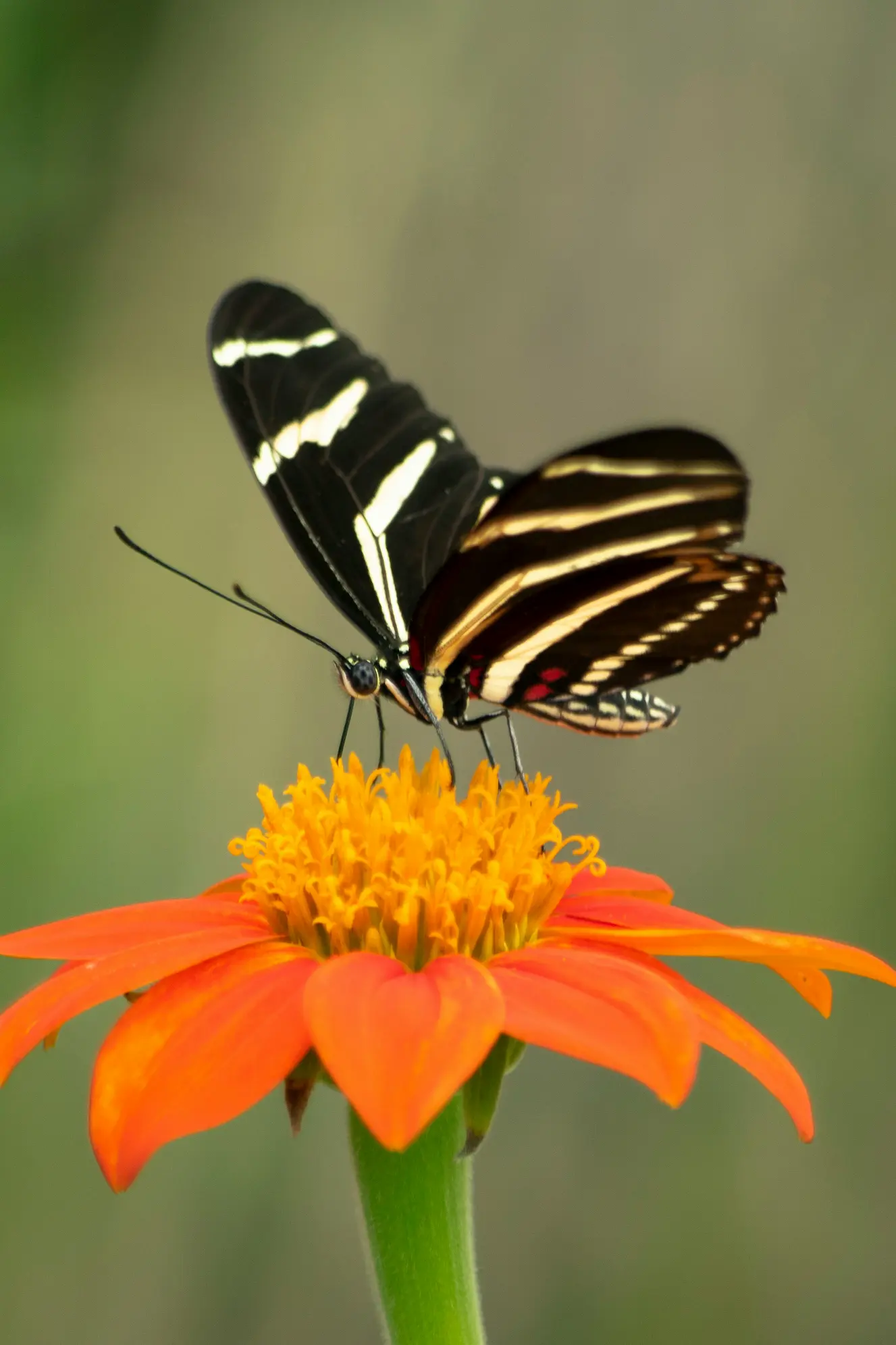
Creating a garden that attracts butterflies is one of the most rewarding shifts you can make in how you think about your outdoor space. A garden that attracts butterflies isn’t just beautiful to look at — it’s a sign that your plot is genuinely healthy, that it supports a food chain, and that you’re gardening in a way that goes beyond the decorative. Butterflies are also indicators: where they thrive, other pollinators and wildlife tend to follow.
The good news is that attracting butterflies to a UK garden is entirely achievable, even in a small space. You don’t need a wildflower meadow or acres of countryside. You need the right plants, the right conditions, and a willingness to leave a few things a little less tidy than you might otherwise.
Understanding What Butterflies Actually Need
Before reaching for a plant list, it helps to understand that butterflies need two fundamentally different things from a garden — and most gardening advice only addresses one of them.
Nectar plants are the flowers that adult butterflies feed from. These are the plants most people think of when they think of a butterfly garden — buddleia, lavender, verbena bonariensis, and so on. They’re important, and we’ll cover them in detail. But nectar plants alone only attract butterflies that are already in your area and passing through.
Larval food plants are what butterflies need to complete their life cycle. Each UK butterfly species lays its eggs on a specific plant — the caterpillars that hatch need to eat those particular leaves, and nothing else will do. Without larval food plants, butterflies visit your garden for a meal but don’t breed there. With them, you create a genuinely self-sustaining butterfly habitat.
The gardens that really teem with butterflies are the ones that provide both — and the larval food plants are usually the ones gardeners are most reluctant to grow, because they’re often things like nettles, thistles, and long grass that don’t look particularly ornamental.
The Best Nectar Plants for Butterflies in the UK
These are the plants that adult butterflies feed on most readily in British gardens. All are easy to grow and widely available.
Buddleia (Buddleja davidii) — the “butterfly bush” — earns its common name entirely. On a warm August afternoon, a large buddleia in full flower can host dozens of butterflies simultaneously: peacocks, red admirals, painted ladies, small tortoiseshells, commas, and more. It’s vigorous, drought-tolerant, and requires only a hard prune each spring. The purple varieties are most attractive to butterflies; white is slightly less so.
Verbena bonariensis is perhaps the most versatile butterfly plant in the UK garden. Its tall, airy stems topped with small purple flower clusters bloom from July to October, self-seed freely, and attract an enormous range of butterflies including species that ignore buddleia. It fits beautifully into any planting style from cottage to contemporary.
Lavender is particularly attractive to bumblebees and many butterfly species, especially the smaller blues and skippers. It needs full sun and good drainage and should be clipped after flowering to maintain its shape.
Marjoram and oregano — particularly the wild marjoram (Origanum vulgare) — are among the most valuable butterfly plants you can grow. Small, unassuming, and often overlooked, marjoram in flower attracts an astonishing range of butterfly and bee species. A patch allowed to flower freely in a sunny spot is genuinely one of the best things you can do.
Scabious (both the perennial Scabiosa caucasica and the annual Scabiosa atropurpurea) are irresistible to many butterfly species, particularly the spectacular marbled white and various skipper species where they occur.
Sedum (Hylotelephium) — particularly ‘Herbstfreude’ (Autumn Joy) — provides crucial late-season nectar from August to October, when most other flowers have finished. Red admirals and peacocks feed heavily on sedum before overwintering.
Ice plant (Aster x frikartii, Symphyotrichum), single-flowered dahlias, knapweed, teasel, and single-flowered roses all add to the butterfly larder through the season.
The key principle with nectar plants: single flowers are almost always better than doubles. Double flowers look more bountiful to human eyes but have reduced nectar accessibility — the extra petals make it physically difficult for butterflies (and bees) to reach the nectaries. Always choose single-flowered varieties where available.
📖 Also read: 10 Flowers That Attract Bees to Your UK Garden
Larval Food Plants — The Ones You Need to Be Brave About
This is the section most butterfly garden guides gloss over, but it’s arguably more important than the nectar plant list.
Nettles (Urtica dioica) are the larval food plant for four of the UK’s most spectacular garden butterflies: the peacock, small tortoiseshell, red admiral, and comma. Without nettles, these species cannot breed in your garden. You don’t need a large nettle patch — a clump of a square metre or two in a sunny, sheltered corner is enough. If you’re nervous about nettles spreading, contain them in a bottomless bucket sunk into the ground.
Buckthorn (Rhamnus cathartica) and alder buckthorn (Frangula alnus) are the larval plants for the brimstone butterfly — one of the first butterflies to appear in spring in the UK. They’re attractive native shrubs that work well at the back of a border.
Garlic mustard (Alliaria petiolata) and lady’s smock (Cardamine pratensis) are food plants for the orange-tip butterfly, one of the most beautiful spring visitors to UK gardens. Both are easy-going native wildflowers that grow well in damp, semi-shaded spots.
Grasses — particularly fine-leaved meadow grasses like fescues — are the larval food for many of the UK’s brown butterfly species: gatekeepers, meadow browns, ringlets, and speckled woods. Even a small patch of longer, unmown grass in a corner of the garden supports these species.
Bird’s-foot trefoil (Lotus corniculatus) is the food plant for common blues and other grassland butterflies. It grows well in a sunny, undisturbed spot and has cheerful yellow flowers.
Layout and Conditions: What Butterflies Actually Need From Your Garden
Plants are only part of the story. The physical layout and conditions of your garden matter enormously.
Sunshine is non-negotiable. Butterflies are cold-blooded and need warmth to fly and feed. They visit gardens that receive full sun significantly more than shaded ones. A south or west-facing garden with open, sunny areas will always attract more butterflies than a shaded north-facing one. If your garden is shaded, focus on the sunniest spots and make those as butterfly-friendly as possible.
Shelter from wind is equally important. Butterflies struggle to fly in strong winds and avoid exposed, windswept sites. A garden with some shelter — a fence, a hedge, a wall — is significantly more attractive than an open, exposed one. This is why walled gardens and sheltered cottage gardens often seem to be full of butterflies while exposed suburban plots are not.
Basking spots — areas of bare ground, stone, or paving in full sun — allow butterflies to warm themselves. A flat stone in a sunny position, or even a patch of bare soil, is genuinely used by basking butterflies and is a simple addition to any garden.
Water is sometimes overlooked. Butterflies drink from mud puddles and damp soil rather than open water — a patch of damp, bare soil or a shallow saucer with wet sand provides the salts and minerals they need.
📖 Also read: How to Create a Wildlife-Friendly Garden
What Not to Do — The Mistakes That Keep Butterflies Away
Using pesticides. This is the single biggest butterfly deterrent in most gardens. Systemic insecticides kill caterpillars and damage the insects that butterflies feed their larvae on. Even “targeted” sprays have collateral effects. If you want butterflies, stop using pesticides — including slug pellets, which enter the food chain and affect birds and hedgehogs that eat them.
Tidying up too much, too soon. Overwintering butterflies hibernate as adults (small tortoiseshells, peacocks, commas) or as pupae attached to plant stems. Cutting back all your herbaceous plants to the ground in October removes those pupae. Leave stems and seedheads standing through winter — cut back in late February or early March instead.
Growing only double-flowered varieties. As noted above, double flowers are inaccessible to most pollinators. A garden full of double dahlias, double roses, and double hollyhocks looks spectacular but provides almost nothing for butterflies.
Removing all the “weeds”. Dandelions are an important early nectar source in spring before most garden flowers are open. Thistles attract painted ladies, red admirals, and various skipper species. Ivy in flower is one of the most important autumn nectar sources for late-flying butterflies. Allow some of these plants in corners where they don’t bother you.
Mowing everything. A lawn that’s mowed to a uniform 3cm every week supports almost no butterfly life. Even leaving a strip of longer grass along a fence, or allowing a corner to grow for six weeks at a time, makes a measurable difference.
📖 Also read: How to Create a Cottage Garden
A Simple Butterfly Garden Plan for a Small UK Space
If you want a practical starting point for a small garden or border, here’s a simple combination that works:
At the back: one buddleia (cut hard every March), one verbena bonariensis (allow to self-seed). In the middle: three lavender plants, one clump of marjoram, two sedum ‘Herbstfreude’. At the front: a patch of Alchemilla mollis, some single-flowered scabious, and a small clump of bird’s-foot trefoil. In a corner: a 1m² patch of nettles, contained if necessary.
Add a flat stone in the sunniest position and leave the border edges slightly untidy through winter. That’s it — a functional butterfly garden in about 3 square metres that will support multiple butterfly species through the season.
The RHS has an excellent overview of butterfly-friendly plants with species-specific information and a full plant list.
The Bigger Picture
A butterfly garden is really just a garden that has been designed with nature’s needs in mind as well as the gardener’s. The principles — sunny positions, nectar-rich single flowers, larval food plants, less tidiness — overlap almost entirely with the principles of good wildlife gardening generally. A garden that’s good for butterflies will also be good for bees, hoverflies, moths, birds, and hedgehogs.
The shift in mindset is the hardest part: from seeing a nettle patch as a failure to seeing it as a resource, from seeing a tidy cut-back border as virtuous to understanding that the stems you left standing are sheltering next year’s peacocks. Once you ake that shift, the butterflies follow.
Leave a Reply