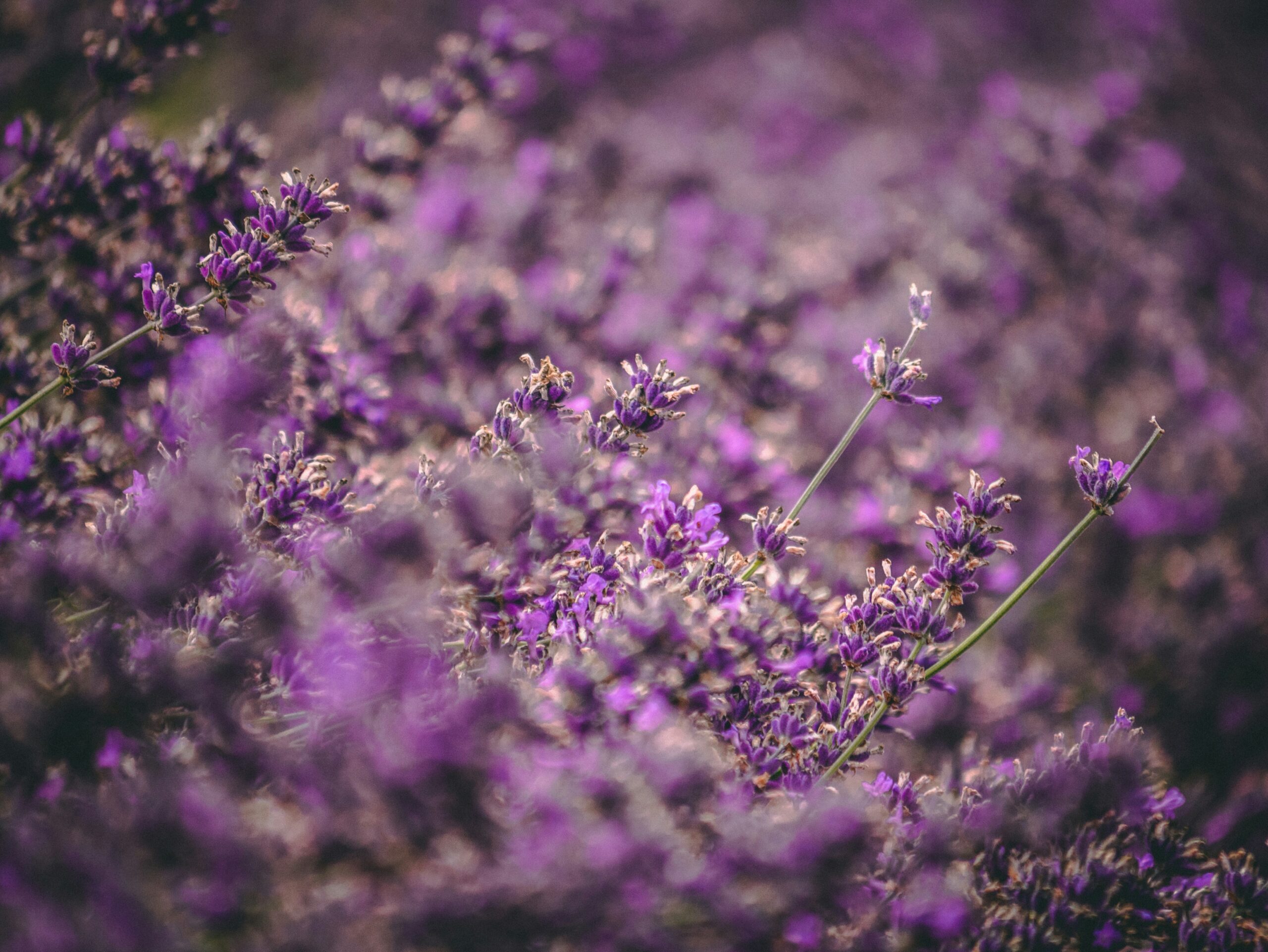
If there is one plant that every UK gardener should have, it is lavender. It survives drought. It laughs at poor soil. It blooms for months. It smells extraordinary. Bees swarm to it. And slugs — the eternal enemy of British gardeners — won’t touch it.
Lavender has a reputation for being fussy, but that reputation is completely undeserved and almost always comes from one single mistake that beginners make. This guide tells you exactly what that mistake is, and how to grow lavender successfully anywhere in the UK — in borders, in pots, on a windy balcony, or in a front garden that gets zero attention. Learning how to grow lavender in the UK correctly is simpler than most gardeners think.
Why Lavender Suits the UK (Better Than You Think)
Lavender is native to the Mediterranean, which sounds like bad news for British growers. But the right varieties are completely hardy in the UK, and our climate actually suits lavender better than many people realise. Lavender doesn’t like humidity and hot, wet summers — and we certainly don’t have those. What it needs is good drainage and reasonable sun, both of which are achievable across most of the UK.
The varieties matter enormously. English lavender (Lavandula angustifolia) and its hybrids — particularly Lavandula x intermedia varieties — are the ones to grow in the UK. They’re fully winter-hardy, reliably perennial, and will outlive many other plants in your garden. Avoid French lavender (Lavandula stoechas — the one with the little “rabbit ear” petals) for outdoor planting in most of the UK; it’s not reliably winter-hardy north of the Midlands.
The One Mistake That Kills Lavender
Poor drainage. This is it. This single issue accounts for the vast majority of lavender deaths in UK gardens.
Lavender roots sitting in wet soil through a British winter will rot. Not maybe — they will. Our winters are too wet for lavender to survive in heavy clay or poorly draining soil without intervention.
The fix is simple: always add grit. When planting in the ground, dig a hole twice the size needed and mix in at least 50% horticultural grit before planting. When planting in pots, use a 50/50 mix of multipurpose compost and grit or perlite, and always ensure your pot has drainage holes at the bottom.
Best UK Varieties to Grow
- Hidcote — The most popular UK lavender for good reason. Compact, deep purple, very hardy. Named after Hidcote Manor Garden in the Cotswolds. Perfect for borders and pots.
- Munstead — Slightly shorter than Hidcote with lighter purple flowers. Bred in the UK and fully winter-hardy. Excellent for low hedging along path edges.
- Vera — A taller variety with long flower spikes, excellent for cutting and drying. Very fragrant.
- Grosso — A Lavandula x intermedia hybrid grown commercially for essential oil. Strong grower, very fragrant, extremely hardy. Good for larger spaces.
📖 Also read: How to Grow Garlic in the UK — The Complete Month-by-Month Guide
How to Plant Lavender
In the ground:
Choose the sunniest, most free-draining spot you have — the top of a slope is ideal as water drains away naturally. Dig your grit-amended hole. Plant at the same depth the lavender was in its original pot — don’t bury the woody base. Firm in well, water once, and then largely leave it alone.
In pots:
Use a terracotta pot if possible — it’s porous and helps with drainage. Fill with your grit/compost mix. One lavender per 25–30cm pot. Place in the sunniest spot you have.
💡 UK BALCONY TIP: Lavender is one of the best plants for a windy UK balcony. It tolerates exposure that would destroy most plants, looks beautiful, smells incredible when you brush past it, and will attract bees even several floors up. If you only grow one thing on a balcony, make it lavender.
How to Care for Lavender Through the Year
Spring (March–April): Check plants after winter. Remove any dead or damaged stems. Give a light feed with a low-nitrogen, high-potassium fertiliser (tomato feed works well — the same Tomorite used for tomatoes and strawberries).
Summer (June–August): Enjoy the flowers. Cut stems for indoor use or drying at their peak — just as the lower flowers on the spike open. Deadhead spent flower spikes to encourage a second flush of blooms.
Late summer (August–September): This is the most important care task. After flowering, cut back by about one third — into the green growth, never into the old woody stems. This keeps the plant compact and bushy. Skipping this step year after year leads to a sprawling, woody plant that flowers poorly.
Autumn and winter: Do nothing. Don’t feed, don’t cut back again, don’t water unless there has been no rain for weeks. Lavender is dormant and needs to be left alone.
Propagating Lavender for Free
One lavender plant can give you dozens of free new plants through cuttings. In August, take semi-ripe cuttings — 8–10cm stem tips, strip the lower leaves, insert into grit/compost mix, cover with a clear bag. They root reliably within 6–8 weeks.
This is genuinely useful because lavender plants decline after about 7–10 years and need replacing. Having a constant supply of young cuttings means you always have plants ready to fill gaps.
📖 Also read: One Plant Becomes Twenty for Free — Propagating from Cuttings
Harvesting and Using Your Lavender
Lavender cut at peak bloom and hung upside down in a warm, dry place dries beautifully in 2–3 weeks. Dried lavender keeps its fragrance for 1–2 years. Use it in small fabric bags in wardrobes and drawers — it’s a natural moth deterrent, which is genuinely useful in older UK homes where clothes moths are increasingly common.
💡 UK CONTEXT: Lavender fields open to the public in the UK — particularly in Norfolk, the Cotswolds, and Surrey — are worth visiting in July when the crop is at peak bloom. The Norfolk Lavender farm near Heacham is the largest lavender farm in the UK and has been operating since 1932. Seeing lavender grown at scale makes you understand just how tough and productive this plant really is.
📖 Also read: The Complete UK Gardening Calendar — What to Do Every Month of the Year
Leave a Reply