If you’ve read our article on plants that slugs hate, you already know the first line of defence: choose the right plants. But natural slug control UK gardeners can use to protect vulnerable plants goes much further than plant choice alone. Sometimes you need to protect specific plants that slugs love — your hostas, your young vegetable seedlings, your strawberries — and you need methods that work without harming the wildlife that makes a British garden worth having.
This is the practical guide. No vague suggestions, no methods that sound good but don’t work. Just the slug control approaches that UK gardeners actually rely on, ranked from most to least effective.
Why Natural Slug Control UK Gardens Need Is Different
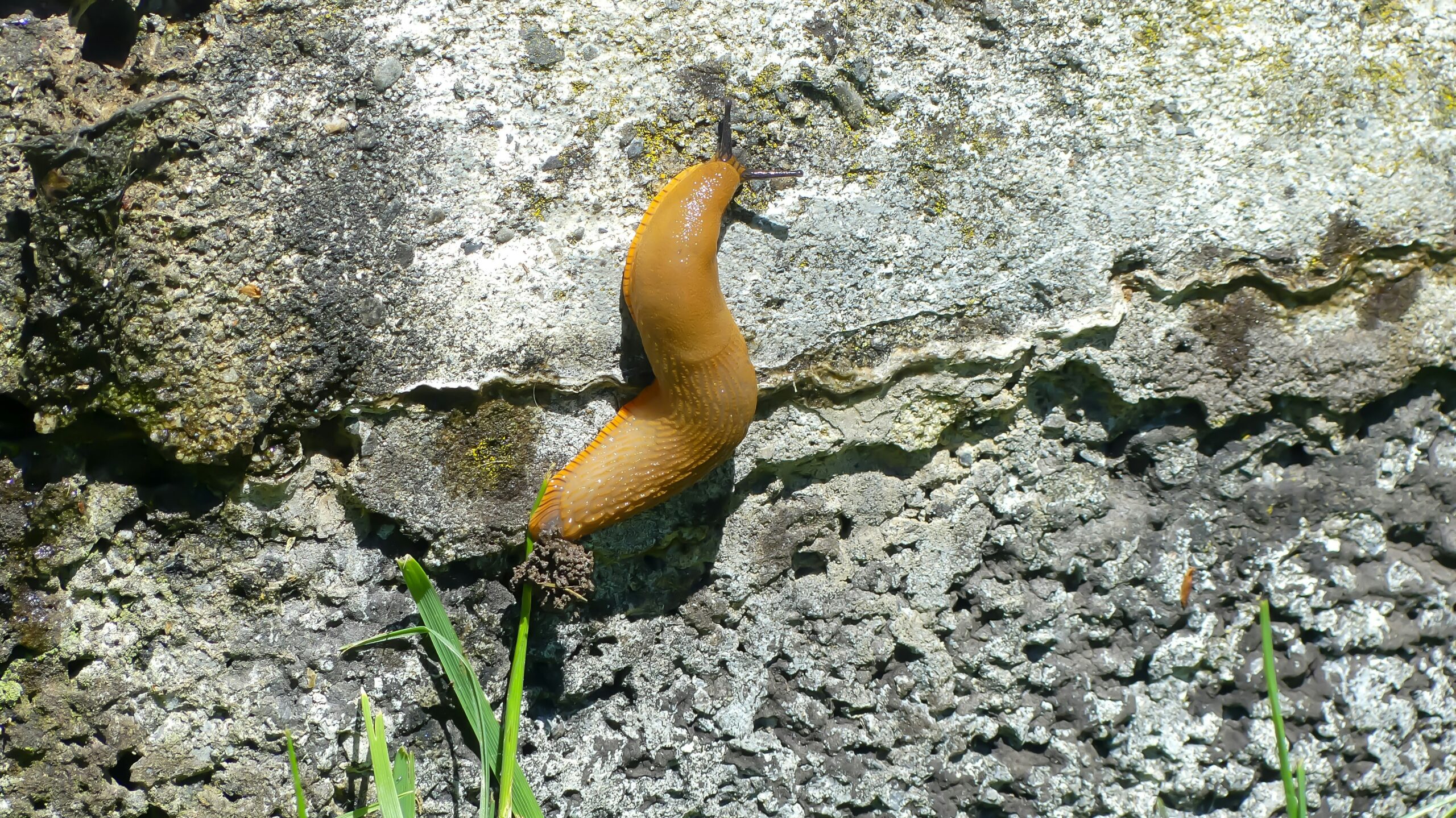
The UK has around 30 native slug species and our climate — mild, wet winters and damp summers — keeps slug populations high year-round compared to continental Europe. Metaldehyde slug pellets, the traditional solution, were banned in the UK in March 2022 because they were killing birds, hedgehogs, and other wildlife that ate poisoned slugs.
Ferric phosphate pellets (brands like Sluggo and Ferromax) are still legal, break down into iron and phosphate in the soil, and are genuinely much safer for wildlife. But they cost money, need regular reapplication, and aren’t the whole answer. The methods below are cheaper, longer-lasting, and better for your garden ecosystem.
Method 1 — Copper Tape (Best for Raised Beds and Pots)
Slugs receive a mild electric-like reaction from copper — the interaction between the copper and their mucus creates a sensation they actively avoid. Copper tape stuck around the rim of raised beds, individual pots, or cold frames creates a barrier that slugs are very reluctant to cross.
It works best when the tape is at least 4cm wide, kept clean (dirt and debris reduce effectiveness), and forms a complete unbroken ring. Check for gaps — slugs will find them.
Copper tape costs around £5–8 for a roll and lasts several seasons before needing replacement. For raised beds and container growing, it’s one of the most cost-effective long-term investments you can make.
Also read: Plants That Repel Slugs UK — Your First Line of Defence
💡 UK SOURCE: Copper tape is widely available at UK garden centres and on Amazon UK. Look for tape at least 4cm wide — narrower tape is less effective. Vitax and Growing Success are reliable UK brands.
Method 2 — Nematodes (Most Effective Overall)
Nematodes are microscopic organisms that occur naturally in soil. The species Phasmarhabditis hermaphrodita parasitises and kills slugs underground — crucially targeting juvenile slugs and slug eggs before they reach the surface. A single nematode treatment can reduce slug populations by 50–80% within a few weeks.
Nematodes are applied by watering onto moist soil using a watering can. The soil must be at least 5°C for nematodes to be active — in the UK, this means applying from late March through to October.
They’re available online (Nemasys is the most widely used UK brand) and from some garden centres. A pack covering 40 square metres costs around £12–15 and lasts 6 weeks before needing reapplication.
This is the method professional organic growers and serious allotment holders use. It addresses the problem underground rather than just creating surface barriers.
Also read: How to Build a Raised Bed Garden UK — Fewer Slugs, Better Soil
Method 3 — Evening Torch Patrol (Free and Surprisingly Effective)
This sounds old-fashioned but it works. Slugs are nocturnal and most active in the first 2 hours after dark, particularly after rain or on damp evenings. Going out with a torch and a bucket of salty water takes 15–20 minutes and removes large numbers of slugs from a small garden in one go.
Drop collected slugs into the salt water (this kills them humanely and quickly), or relocate them to waste ground well away from your garden — at least 20 metres, as they navigate back over shorter distances.
Peak slug patrol season in the UK: April–May and September–October. During these periods, two or three evening patrols a week will make a visible difference to damage levels.
Method 4 — Sharp Barriers (Partially Effective)
Slugs dislike crossing sharp or rough surfaces. Materials commonly used as barriers include crushed eggshells (save them all winter, dry them in the oven, crush coarsely), sharp horticultural grit, and pine bark mulch.
The honest assessment: these work moderately well when dry but lose much of their effectiveness after rain — which in the UK means they need constant replenishment. Use them as part of a wider approach rather than as a standalone solution.
The exception is wool pellets, which absorb water and actually become more effective when damp. Slug Gone wool pellets, made from UK sheep’s wool, are a genuinely useful product for applying around individual plants. They cost more than grit or eggshells but last longer and work better in wet conditions.
Method 5 — Beer Traps (Effective but Requires Maintenance)
Bury a container (an old yoghurt pot works perfectly) so the rim is at soil level. Fill it halfway with cheap beer. Slugs are attracted to the yeast, crawl in, and drown.
It works. The downside: you need to empty and refill traps every 2–3 days, and in wet weather they fill with rainwater and stop working unless covered. Position traps near the plants you most want to protect and check them regularly.
Use the cheapest possible beer — own-brand lager from Aldi or Lidl at 25p a can works exactly as well as expensive craft beer for this purpose.
Method 6 — Encourage Natural Predators
Hedgehogs, frogs, toads, slow worms, and ground beetles are all significant slug predators. Creating habitat for them is a long-term investment in slug control that costs nothing and makes your garden richer.
- Leave a small log pile in a corner — slow worms and ground beetles shelter under logs
- Create a small wildlife pond — even a buried washing-up bowl works — for frogs and toads
- Leave a gap at the base of your fence for hedgehog access — the British Hedgehog Preservation Society recommends a 13cm x 13cm hole
- Avoid using any pesticides that kill ground beetles, which are voracious slug predators
Also read: How to Create a Wildlife-Friendly Garden — The UK Beginner’s Guide
💡 UK CONTEXT: British hedgehog populations have declined by 50% since 2000, partly due to garden pesticide use. A garden that supports hedgehogs is doing something genuinely important for British wildlife — and getting free slug control at the same time.
Leave a Reply