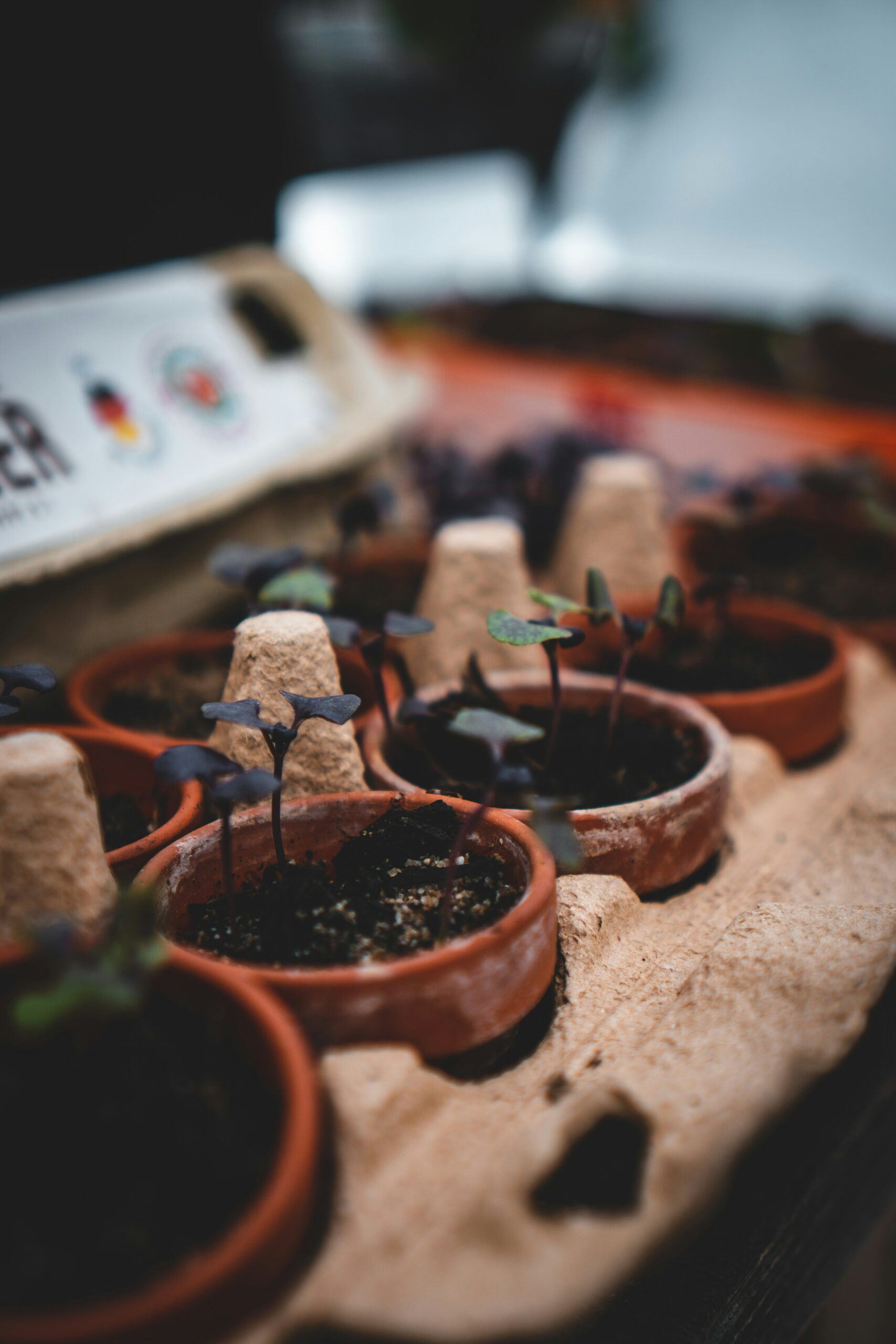
Not everyone has a garden. Millions of people in UK cities live in flats, terraced houses, or new-builds with a patio where a garden used to be. But the absence of a traditional garden doesn’t mean the absence of growing space — it means thinking differently about where and how you grow.
Container gardening has transformed what’s possible for urban UK growers. A south-facing balcony, a doorstep, a windowsill, or a small paved patio can produce a genuinely impressive amount of food and colour with the right approach. This guide shows you how.
The Container Mindset
Growing in containers is different from growing in the ground, and the sooner you understand the key differences, the better your results will be.
Containers dry out fast — far faster than garden soil. In a UK summer, a large pot in full sun may need watering every day. A small pot can need watering twice daily during heatwaves.
Containers exhaust their nutrients quickly. The finite amount of compost in a pot gets depleted within 4–6 weeks of active growth. Regular feeding isn’t optional — it’s essential.
Containers give you control. You choose the compost, the drainage, the placement. You can move things around. You can experiment. In many ways, container growing is more forgiving than ground growing because you’re never fighting your soil.
Choosing the Right Containers
Size matters more than aesthetics. The most common beginner mistake is choosing pots that are too small. Small pots dry out within hours on a warm day and restrict root development.
For vegetables, the minimum sizes are: tomatoes — 20 litre minimum, 30 litre for best results. Courgettes — 30 litre minimum, they’re hungry plants. Salad leaves and herbs — 15–20cm depth minimum. Strawberries — 20cm depth. Potatoes — 35–45 litres (or dedicated potato grow bags).
Material: Terracotta looks beautiful and is porous, which helps drainage — but it dries out faster and is heavy. Plastic retains moisture longer and is lighter — practical for balconies with weight restrictions. Fabric grow bags (now widely available in the UK) are excellent for potatoes and tomatoes — roots are air-pruned at the sides rather than circling, producing healthier root systems.
Weight: If you’re on a balcony, check the weight limit. Most UK residential balconies are rated for 150–200kg per square metre. Wet compost is very heavy — a 30-litre pot filled with wet compost weighs around 35–40kg. Plan accordingly and use lightweight compost mixes that include perlite.
The Best Crops for UK Container Growing
Tomatoes — The classic container crop. Compact or dwarf varieties like Tumbling Tom, Totem, or Patio are bred specifically for containers and need no staking. Standard varieties like Gardener’s Delight or Alicante grow well in large pots but need support.
Salad leaves — Cut-and-come-again lettuce, rocket, spinach, and mixed leaf blends are among the most productive crops per square centimetre you can grow. Sow seeds directly into a window box or trough from March, harvest outer leaves, and the plant keeps producing. One trough of mixed salad leaves provides salad for a family from April to October.
Courgettes — One plant per large container produces prolifically from July to first frost. Choose compact varieties like Patio Star or Eight Ball for smaller spaces.
Potatoes — Growing in potato bags or large containers eliminates the need to dig and makes harvesting simple — tip out the bag and collect the potatoes. Charlotte (salad potato) and Swift (early variety) work brilliantly in containers.
French beans — Dwarf varieties like The Prince or Speedy grow well in deep containers without staking. Direct sow from May, harvest from July.
Courgettes — Highly productive and dramatic-looking. One plant per very large container (30 litres minimum).
💡 UK BALCONY CROPS RANKED BY VALUE: Tomatoes and salad leaves give the best return per pot in terms of what you’d otherwise spend at a UK supermarket. A single tomato plant producing 2–3kg of fruit replaces roughly £8–12 of supermarket tomatoes. A trough of cut-and-come-again salad replaces £30–40 of supermarket bags across a season.
The Container Growing Calendar for UK Growers
February–March: Start seeds indoors on windowsills — tomatoes, peppers, herbs.
April: Start hardening off plants. Direct sow salad leaves and radishes in containers outdoors.
May (after last frost): Move tomatoes, courgettes, and other tender plants permanently outside. Direct sow French beans.
June–July: Peak growing season. Water daily, feed weekly with tomato feed.
August–September: Main harvest period. Keep harvesting regularly — leaving vegetables on the plant signals it to stop producing.
October: Clear containers, add old compost to the garden or compost heap, store pots under cover to prevent frost damage.
Making Your Own Peat-Free Container Compost
Since 2022, UK garden centres have been phasing out peat-based composts following government legislation. Peat-free composts vary significantly in quality — some work brilliantly, others are dense and waterlogged.
The best approach for containers: buy a quality peat-free multipurpose compost (Westland, New Horizon, or Dalefoot are well-regarded UK brands) and mix it with 20–30% perlite. This improves drainage and aeration dramatically, making almost any peat-free compost perform significantly better in containers.
Feeding — The Most Overlooked Part of Container Growing
Feed every 7–14 days from the moment plants are actively growing, using a balanced liquid fertiliser. Switch to high-potassium feed (Tomorite or similar) once flowering begins on tomatoes, courgettes, and strawberries.
Without regular feeding, container-grown vegetables produce a disappointing harvest regardless of how well you’ve done everything else. The feed is the fuel — don’t skip it.
Leave a Reply