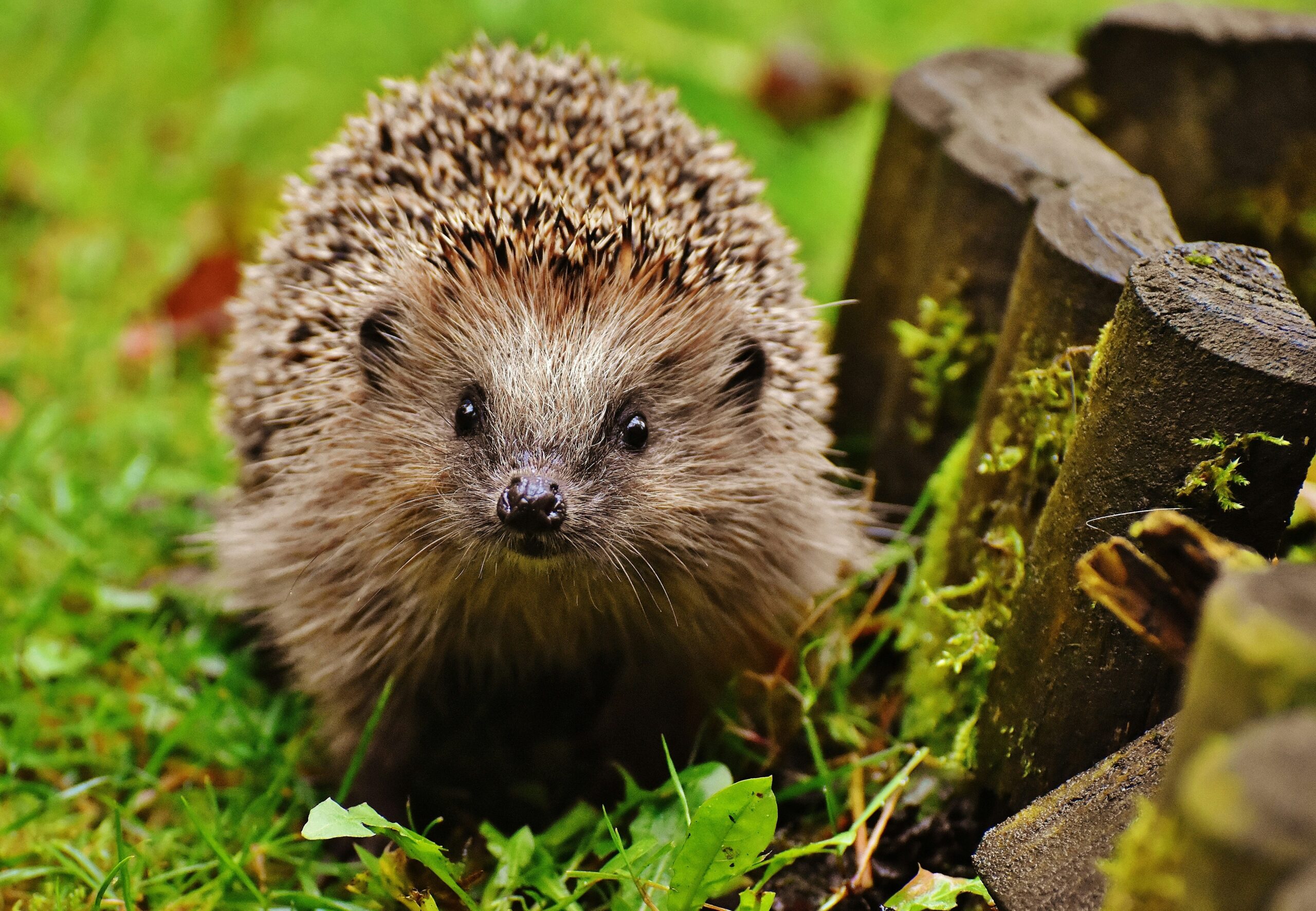
Something has changed in British gardening over the past decade. Where gardens were once manicured, controlled, and chemically managed, a growing number of UK gardeners are letting go — leaving corners wild, planting for insects rather than just for aesthetics, and discovering that a garden that works with nature is more beautiful, more interesting, and much less work than one that fights it.
This isn’t about abandoning your garden to chaos. It’s about making a series of deliberate choices that invite wildlife in — and understanding why that wildlife then does a significant amount of your pest control, pollination, and soil management for free.
Why Wildlife Gardening Is Suddenly Urgent in the UK
The statistics are stark. Since 1970, the UK has lost 97% of its wildflower meadows. Hedgehog populations have halved since 2000. Flying insect populations have declined by an estimated 60% in the past 20 years. Gardens cover more than 400,000 hectares in the UK — more than all National Nature Reserves combined. What happens in those gardens matters enormously for British wildlife.
The good news: small changes in individual gardens genuinely help. The RSPB, RHS, and Wildlife Trusts all have strong evidence that wildlife-friendly gardening practices at scale make a measurable difference to local populations of bees, butterflies, hedgehogs, and birds.
Step 1 — Stop Using Pesticides
This is the single most impactful change you can make. Pesticides don’t distinguish between pests and beneficials — a spray that kills aphids also kills the ladybirds, lacewings, and hoverflies that eat aphids. Once you remove these natural predators, pest populations rebound faster than ever, creating a cycle of dependency on chemicals.
Switch to the physical and biological controls covered in our natural slug control article. Accept that some plants will have some pest damage — a few aphids on a rose are food for blue tits. A garden with no pest damage at all is a garden without wildlife.
Step 2 — Plant for Pollinators
The most important thing a gardener can do for pollinators is provide a continuous succession of flowers from February to November — the full active season of UK bees and butterflies.
Early season (February–April): snowdrops, crocus, hellebores, pulmonaria, and flowering currant provide crucial food when little else is available and queen bumblebees are emerging from hibernation.
Mid-season (May–August): lavender, alliums, hardy geraniums, foxgloves, scabious, verbena, and single-flowered roses. Avoid double flowers — they look full but their nectar is inaccessible to insects.
Late season (September–November): ivy flowers (one of the most important late-season nectar sources in the UK, despite ivy’s bad reputation), sedums, Michaelmas daisies, and Japanese anemones keep pollinators fed until they hibernate.
💡 RHS PLANTS FOR POLLINATORS: The RHS runs a Plants for Pollinators scheme that rates garden plants for their pollinator value. Look for the bee logo on plant labels at UK garden centres — it’s a reliable shortcut to choosing plants that actually help insects.
Step 3 — Create a Wildlife Pond
A wildlife pond is the single most effective addition you can make to a UK garden for biodiversity. Even a small one — 60cm x 60cm, created from a buried container — will attract frogs, toads, newts, dragonflies, and water insects within the first season.
You don’t need a large garden or a complex installation. Here’s the minimum viable wildlife pond:
- Bury a large container (an old washing-up bowl, a half-barrel planter, or a purpose-made preformed pond) so the rim is level with the ground
- Fill with rainwater (tap water contains chlorine that can inhibit wildlife)
- Add an exit ramp — a piece of wood, stones, or a sloped edge — so animals can get in and out
- Plant one or two native aquatic plants around the edge: water forget-me-not, marsh marigold, or brooklime are all UK natives that establish quickly
- Never add fish to a wildlife pond — they eat the invertebrates and frog spawn you’re trying to attract
Step 4 — Leave Some Long Grass
A small area of unmown grass transforms the biodiversity of a UK garden. Long grass provides shelter for insects, slowworms, and hedgehogs, and if left long enough, native grass species produce seed heads that birds feed on.
You don’t need to leave the whole lawn unmown. A strip along a fence, a corner patch, or a circular area within a lawn can be left to grow. Cut it once in late September — after seeds have set and before hedgehogs hibernate — and leave the cuttings for a day before removing so seeds can fall to the ground.
The No Mow May campaign, promoted by Plantlife UK, encourages gardeners to leave their lawn unmown through May. Even this single month of not mowing dramatically increases the number of flowering plants in a typical UK lawn — dandelions, clover, and buttercups emerge that provide food for early bees and butterflies.
Step 5 — Add Homes for Wildlife
Hedgehog highway: Make a 13cm x 13cm hole at the base of your garden fence or wall. This allows hedgehogs to travel between gardens to find food and mates. In a terraced street, coordinating with neighbours to create connected gaps turns a row of isolated gardens into a hedgehog corridor.
Log pile: A stack of logs in a shaded corner provides habitat for stag beetles (which are in decline in the UK), slowworms, ground beetles, and fungi. Leave it completely undisturbed — the value comes from the decaying wood.
Bird feeders and nesting boxes: Position feeders away from cat ambush points and clean them monthly to prevent disease. Nest boxes for blue tits should face between north and east (away from direct afternoon sun) and be positioned 2–3 metres above the ground.
Bee hotel: A bundle of hollow stems or a purpose-built bee hotel provides nesting habitat for solitary bees — not bumblebees or honeybees, which nest in the ground or in cavities, but the 240+ species of solitary bees in the UK that nest in hollow stems. Position in full sun, facing south or southeast.
A Note on Native Plants
Native UK plants — those that evolved here alongside native insects — tend to support more species than non-native ornamentals. A native hawthorn hedge supports hundreds of species of insects; a leylandii hedge supports almost none. Where you have a choice, choose native species for structural planting.
💡 UK RESOURCE: The Wildlife Trusts website (wildlifetrusts.org) has a free garden wildlife guide tailored to UK species, a wildlife pond guide, and a postcode tool that tells you which wildlife species are present in your local area. It’s the best free UK resource for wildlife gardening and worth bookmarking.
Leave a Reply