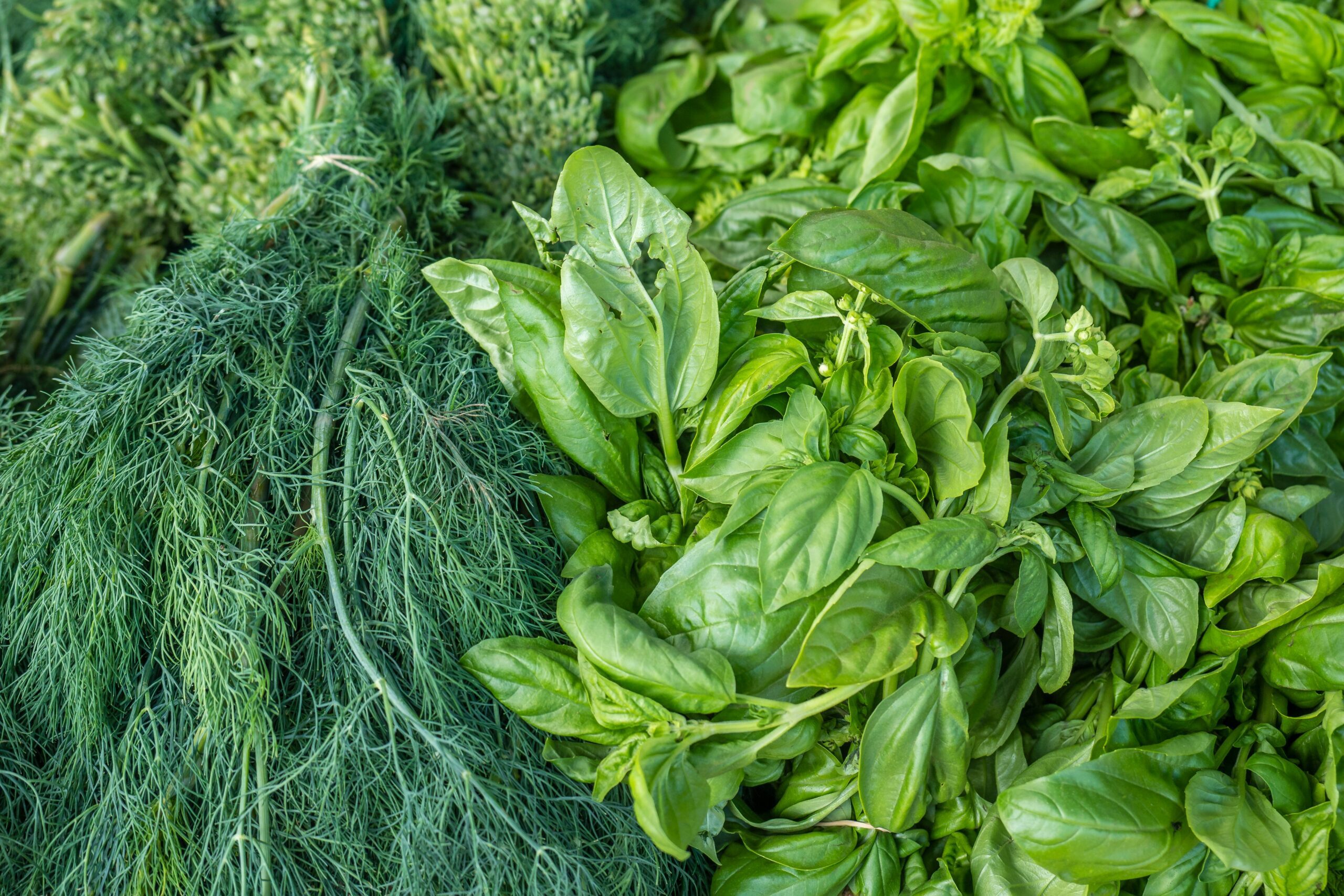
Every UK supermarket sells those little plastic pots of basil, coriander, and mint for £1–2. The good news is that growing herbs to grow on a windowsill UK kitchens can sustain year-round is far simpler than those dying supermarket pots suggest. You buy one, use a few leaves, and within a week it’s dead. You buy another. It dies again. This cycle costs British households millions of pounds a year and produces an enormous amount of plastic waste — and it’s entirely unnecessary, because growing your own herbs on a kitchen windowsill is genuinely easy once you understand why those supermarket pots keep dying.
This guide covers the best herbs to grow on a UK kitchen windowsill, why supermarket herbs fail, and exactly how to keep your own plants alive and producing for months.
Why Supermarket Herb Pots Always Die (And What to Do Instead)
Supermarket herb pots are not designed to last. They’re grown at high density — dozens of seedlings crammed into one small pot — under artificial light in controlled greenhouse conditions. When you bring them home to a darker kitchen windowsill, the roots are already overcrowded, the compost is often exhausted, and the plants are essentially in shock.
The fix is simple: when you buy a supermarket herb pot, immediately split it into 3–4 smaller pots with fresh compost. You’ll extend its life from one week to several months. But better still, grow your own from scratch.
Also read: Container Gardening Ideas for Small UK Gardens — Grow a Lot in Very Little Space
The Best Windowsill Herbs for UK Kitchens
Basil — The Tricky One Worth Mastering
Basil is the herb most people want and the one that fails most often. It fails for one reason: cold. Basil is a tropical plant that dies below 10°C. In a UK kitchen in winter, a windowsill that gets cold at night — particularly if it’s single-glazed — will kill basil within days.
Grow basil on your warmest windowsill from May to September. Sow seeds in a small pot on a warm windowsill in April — they germinate in 7–10 days. Keep the compost moist but never waterlogged. Pinch off any flower buds as they appear to keep the plant producing leaves rather than going to seed.
In winter, accept that basil won’t thrive on a UK windowsill without supplemental heat and light. Buy supermarket pots in winter and grow your own in summer.
Mint — The Easiest and Most Useful
Mint is almost unkillable and grows vigorously in UK conditions. It’s also one of the most-used culinary herbs — mint sauce, Pimm’s, mojitos, lamb dishes, and mint tea. One plant will provide more mint than most families can use.
Important: always grow mint in its own pot. In the ground, it spreads aggressively and takes over entire beds within a season. On a windowsill, keep it contained and it’s perfectly well-behaved.
Buy one mint plant from a garden centre in spring (there are many varieties — spearmint is most versatile for cooking, peppermint for tea). It will last for years if you repot it annually into fresh compost.
💡 UK TIP: Mint is one of the few herbs that actually prefers partial shade — making it ideal for a less sunny kitchen windowsill that would struggle with basil or rosemary. North-facing kitchen window? Mint is your answer.
Chives — The Set-and-Forget Herb
Chives are a perennial — they come back every year. They tolerate cold, they tolerate neglect, and they produce consistently from early spring through to autumn. The mild onion flavour works in salads, scrambled eggs, soups, and cheese dishes.
Grow from seed (sow in spring, takes 14–21 days to germinate) or buy a pot from the garden centre. Cut leaves to within 2–3cm of the soil and they regrow within a week. In winter they die back completely — don’t throw the pot away. New growth returns in March without any input from you.
Parsley — Slow but Worth It
Parsley is slow to germinate (up to 3–4 weeks) and slow to establish, but once growing it’s productive and hardy enough to survive UK winters outdoors. On a windowsill it produces year-round.
Sow seeds in small pots from March onwards. Keep the compost consistently moist during germination — parsley seed dries out easily and fails to germinate if the compost dries even once during this period. Once established, parsley is much more forgiving.
Rosemary — The Long-Term Investment
Rosemary grows slowly but lives for decades. A single plant will eventually become a substantial shrub. On a windowsill, keep it in a small pot to restrict growth and it will stay manageable for years.
Rosemary needs your sunniest windowsill and very infrequent watering — it comes from dry Mediterranean hillsides and actively dislikes having wet roots. Water only when the compost is completely dry. In the UK this might mean watering only once every 10–14 days in winter.
The Simple Setup That Makes Everything Work
The reason most windowsill herbs fail isn’t the herb — it’s the pot and compost. Standard multipurpose compost holds too much water for herbs like rosemary and thyme. Use a 50/50 mix of multipurpose compost and perlite for all Mediterranean herbs (rosemary, thyme, oregano, sage). For mint and parsley, standard multipurpose compost is fine.
Always use pots with drainage holes. Always place a saucer underneath but empty it after watering — don’t let pots sit in standing water.
💡 WINDOWSILL RANKING BY LIGHT: South-facing (most sun) — basil, rosemary, thyme, oregano. East or west-facing — parsley, chives, coriander. North-facing (least sun) — mint only. Match the herb to your window direction and your success rate will double immediately.
Also read: How to Build a Raised Bed Garden UK — From Scratch, Step by Step
Harvesting Correctly to Keep Plants Producing
The biggest mistake: picking individual leaves from the tips. This stops growth and the plant stalls.
The correct approach: always cut whole stems back to just above a pair of leaves. This triggers the plant to send out two new shoots from that point, making the plant bushier and more productive with every harvest.
Also read: One Plant Becomes Twenty for Free — The Beginner’s Guide to Propagating from Cuttings
Treat your herbs like you’re pruning them, not just grazing on them, and they’ll reward you for months.
Leave a Reply