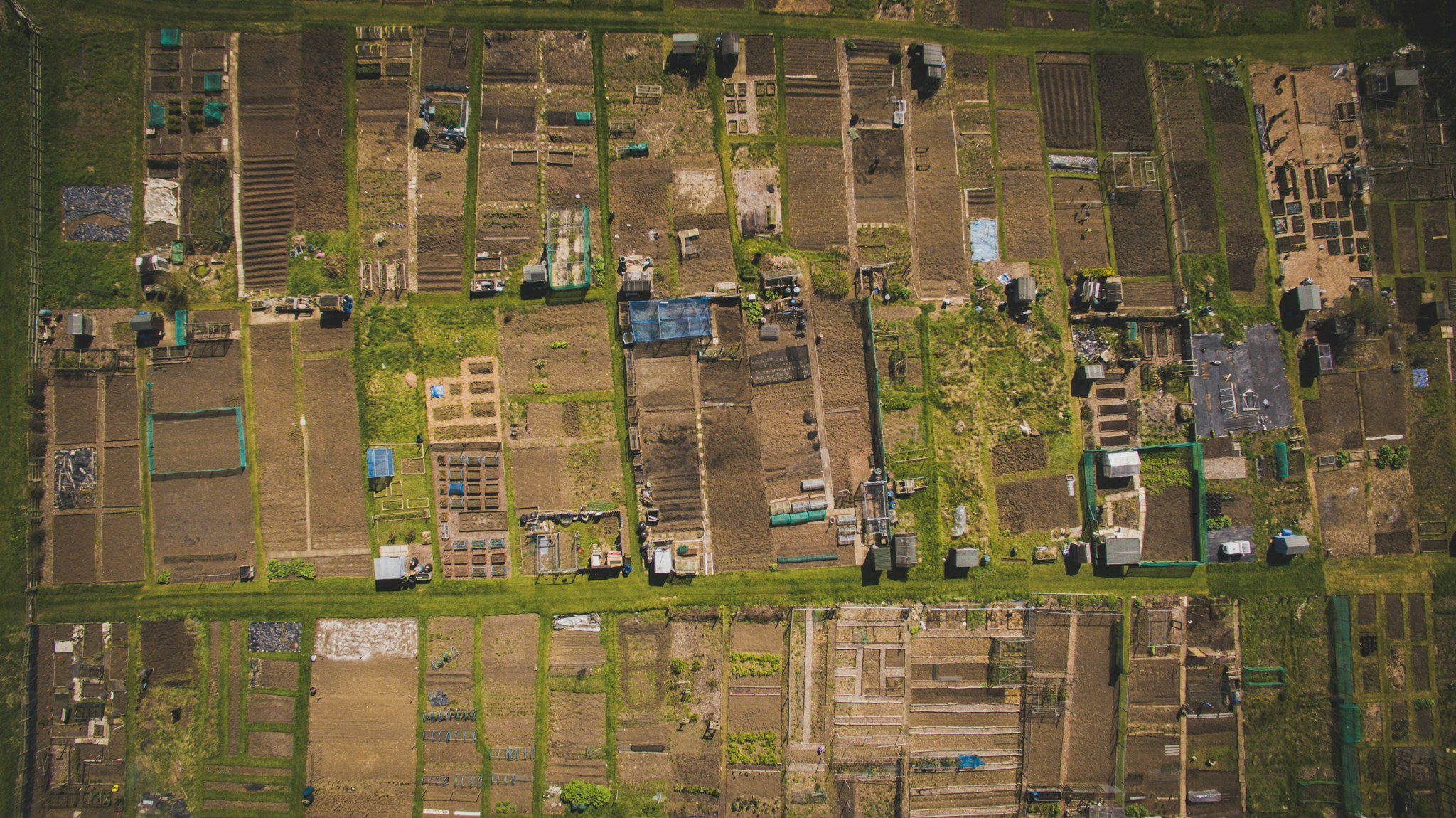
Learning how to start an allotment in the UK is one of those decisions that sounds straightforward until you’re standing in front of a 250 square metre plot of weeds in October wondering where to begin. Starting an allotment in the UK is more achievable than that first overwhelming visit suggests, but it does benefit enormously from realistic expectations, a sensible plan, and an understanding of what the first year is actually for. How to start an allotment in the UK is less about growing exceptional vegetables immediately and more about getting the ground into a state where exceptional vegetables become possible.
This guide covers the practical steps from joining a waiting list through to your first productive season — and, crucially, how to avoid the mistakes that lead people to give up their plot within eighteen months of getting it.
Getting on a Waiting List
Allotment plots in the UK are managed by local councils, and demand significantly outstrips supply in most towns and cities. Waiting lists of two to five years are common in London and other major cities; in rural areas and smaller towns, waits can be considerably shorter — sometimes months rather than years.
The first step is to contact your local council — specifically the parks and open spaces department, which typically manages allotment provision — and ask to be added to the waiting list for plots near your home. Most councils operate multiple sites and may have different waiting times for each; it’s worth asking for all available sites rather than just the nearest one.
Some councils now manage waiting lists online, and you may be able to register through the council website. Ask specifically whether there are any plots currently available — tenants sometimes vacate plots at short notice, and being at the top of a list or expressing urgency can occasionally move you forward faster than the standard process.
Private allotment associations and community growing schemes sometimes have plots available outside the council system — it’s worth searching locally as well as contacting the council.
While you wait — and you may wait a while — use the time productively. Raised beds in a garden, container growing on a patio, or volunteering at a community garden all build skills and give you a realistic sense of what growing vegetables actually involves before you commit to managing a full plot.
What to Expect When You Get a Plot
Most allotment plots are offered in one of two standard sizes: a full plot (typically around 250 square metres, or 10 rods) or a half plot (125 square metres). Half plots are significantly more manageable for beginners and are the right choice for most first-time allotment holders — a full plot is a substantial commitment, and an overgrown, unmanaged full plot is one of the main reasons people give up their tenancy.
When a plot becomes available, it may be in any condition. Some sites maintain plots well between tenancies; others hand over ground that has been abandoned for months or years, covered in perennial weeds. Don’t let the latter put you off — overgrown ground can be reclaimed, and the process teaches you more about soil and plant management than any amount of reading.
Before accepting a plot, ask your allotment committee or council about the specific terms of the tenancy agreement. Typical requirements include keeping the plot to a minimum cultivated standard (usually 75% under cultivation), not growing plants that might cause problems for neighbours (some sites restrict giant hogweed, certain bamboos, and Jerusalem artichokes near plot edges), and paying an annual rent — which is typically very modest, often £30–£80 per year for a half plot.
How to Start an Allotment in the UK: The First Visit
Your first visit to the plot, tools in hand and full of enthusiasm, will probably be both exciting and slightly daunting. Here’s what to do and — equally importantly — what not to do.
Walk the plot first. Before digging anything, spend twenty minutes assessing what you have. Look for: the condition of the soil (compacted? waterlogged? already cultivated?); the distribution of perennial weeds; any existing structures like sheds, cold frames, or water butts; where the sun falls through the day; and where the boundaries are.
Don’t try to cultivate everything at once. The single biggest mistake beginners make on a new allotment is attempting to clear and cultivate the entire plot immediately. It leads to exhaustion, injury, demoralisation, and — when you inevitably can’t keep up with both the cultivation and the weed regrowth — a worse situation than when you started.
Start small and expand. In the first season, aim to get twenty to thirty percent of the plot into cultivation. That’s enough for a genuinely productive growing space while you learn the plot’s quirks and get on top of the weed pressure progressively. Expand in year two as you develop a feel for what the ground needs.
Clearing Perennial Weeds
Perennial weeds are the biggest practical challenge on a new UK allotment plot. Bindweed, couch grass, ground elder, and brambles are the most common problems and all require serious effort to manage.
No-dig with cardboard and mulch is the most beginner-friendly clearing method and requires the least physical effort. Lay overlapping cardboard directly on top of the weedy area, wetting it as you go. Cover with a thick layer — 10–15cm — of wood chip, compost, or well-rotted manure. The cardboard suppresses weeds by blocking light; the mulch layer adds organic matter and slowly improves the soil below. Leave for at least six months, ideally over winter, before planting into the treated area.
This method is slower than digging but kinder to the soil structure, requires no herbicides, and is remarkably effective against most annual weeds and many perennial ones. Bindweed and ground elder may still push through and require follow-up treatment, but their vigour is significantly reduced by the initial smothering.
Digging out is the traditional approach — use a fork rather than a spade to loosen perennial roots, removing every fragment of root as you go. Even small pieces of bindweed or ground elder root left in the soil will regrow. This is thorough but physically demanding and time-consuming.
Covering with light-excluding membrane (black polythene or weed-suppressing membrane) for a full growing season starves perennial weeds of light and kills most of them. It’s not pretty but it’s effective, particularly for a large area you’re not planning to use immediately.
📖 Also read: Stop Buying Compost — You’re Literally Throwing Away the Best Stuff in Your Bin
Setting Up Your Growing Space
Once you have a cleared area to work with, the priorities for a new allotment are: a water source, a compost system, and your first beds.
Water: most allotment sites have communal standpipes, and your plot may have a water butt. If not, make getting one of your first priorities — hauling watering cans from a standpipe 50 metres away is manageable for one visit but becomes the reason people skip watering days. A butt filled from any roof or hard surface nearby transforms the watering experience.
Compost: start a compost heap or get a compost bin in place as early as possible. Every piece of organic material from the plot — weeds (as long as they haven’t seeded), spent crops, cardboard from the bottom of the cardboard mulch — can go in. A plot that produces its own compost is increasingly self-sufficient over time. Most allotment sites also have access to communal wood chip, municipal compost, or horse manure from local stables — ask other plot holders what’s available locally.
Beds: raised beds are popular on allotments for good reasons — they separate growing areas from pathways, improve drainage on heavy soil, warm up faster in spring, and make the plot look tidy and manageable. But they’re not essential, particularly in the first season. Flat beds dug directly in the ground are entirely productive and require less initial investment. The important thing is to define your growing areas and your pathways from the start — walking on growing areas compacts the soil and undoes much of the improvement work.
What to Grow in Your First Season
Keep it simple. The temptation to grow everything is understandable, but a first allotment season is partly a learning exercise and partly about understanding what the plot can actually do.
Reliable, productive, low-maintenance crops for a first season include: courgettes, runner beans, potatoes, salad leaves, peas, chard and perpetual spinach, and spring onions. These are all crops that tolerate some degree of irregular watering and imperfect soil, produce quickly enough to maintain enthusiasm, and give you a genuine harvest to take home.
Avoid for the first season: brassicas (cabbages, broccoli, Brussels sprouts) unless you’re prepared for the specific challenges of netting, clubroot management, and the long growing season they require; parsnips and carrots, which need well-prepared, stone-free soil that a new plot rarely has; and anything that requires intensive daily management until you know how much time you can realistically give the plot each week.
A realistic expectation for a half-plot first season is: several visits per week in summer, roughly two to three hours per visit. If that sounds like too much, a quarter-plot or raised bed growing at home is a better starting point.
📖 Also read: The Easiest Vegetables to Grow for UK Beginners — Start Here and You Won’t Be Disappointed
The Allotment Community
One of the underrated aspects of allotment growing is the community around it. Most allotment sites have a mix of experienced and newer growers, and the knowledge that passes between plot holders — often over the fence while one person is watering and another is staking beans — is genuinely valuable and freely given.
Don’t be afraid to ask questions of longer-standing plot holders. Most allotment gardeners are generous with advice, seeds, and surplus plants, and a new plot holder who shows up regularly and puts the work in is welcomed on virtually every site. The person three plots down who’s been growing there for twenty years knows things about that specific soil and microclimate that no book can tell you.
Many allotment societies hold seed swaps in late winter — an excellent way to try varieties you’d never buy yourself and to reduce the cost of stocking up for the season.
Staying on Top of It Through the Year
The rhythm of an allotment is seasonal and unrelenting. There is always something that needs doing, and the gap between a well-managed plot and an overgrown one can develop within a few weeks in June and July when weeds and crops are both growing fast.
The most effective habit an allotment beginner can develop is regular short visits rather than infrequent long ones. Two hours twice a week through summer is far more effective than a single six-hour session at the weekend — weeds pulled when small take minutes; the same weeds left for three weeks require an afternoon and have already seeded.
Keep a simple growing diary — what you planted, when, what worked, what didn’t. The notes from year one inform year two, and year two is invariably better than year one because you understand the plot’s specific quirks. The third year is better still. An allotment, like most things worth doing, rewards persistence more than genius.
The RHS has a detailed guide to getting started on an allotment covering plot management, crop rotation, and how to deal with the most common site-specific challenges in more depth.
📖 Also read: The Complete UK Gardening Calendar — What to Do in Your Garden Every Month of the Year
A Few Final Thoughts
An allotment is not a weekend project — it’s a long-term relationship with a piece of ground. The first year is the hardest: the soil is unknown, the weeds are ahead of you, and you’re learning everything simultaneously. The second year is noticeably easier. The third year, with the soil improving from your compost and mulching, the weed pressure reduced, and the growing routine established, starts to feel genuinely enjoyable rather than effortful.
The people who give up their plots do so almost always in the first year, usually because they took on too much too soon. The people who keep theirs for decades started small, were realistic about time, and found the rhythm of regular visits and seasonal work genuinely satisfying rather than burdensome.
Start with a half plot. Start small within that. Go regularly. Ask questions. And don’t underestimate how much a bag of homegrown potatoes and a courgette or two will mean at the end of your first proper season.
Leave a Reply