The Easiest Vegetables to Grow for UK Beginners — Start Here and You Won’t Be Disappointed
The easiest vegetables to grow for UK beginners are not the ones that look most impressive on the seed packet. They’re the ones that germinate reliably in our climate, tolerate a bit of neglect, don’t need a perfectly prepared bed, and still produce something worth eating in their first season. The easiest vegetables to grow for UK beginners are also, happily, some of the most useful — the things you’d actually buy at a supermarket and notice the difference when you’ve grown them yourself.
This isn’t a list of obscure novelties. It’s the vegetables that experienced UK gardeners would recommend to anyone starting out, chosen because they work in British conditions — the cool springs, the unpredictable summers, the damp autumns — rather than in spite of them.
What Makes a Vegetable “Easy” in the UK?
Before the list, it’s worth being clear about what easy actually means in this context. An easy vegetable for a UK beginner is one that germinates without specialist equipment, tolerates cool or changeable weather, doesn’t require daily attention, is relatively resistant to the most common British pests, and produces a worthwhile harvest within a single growing season.
Some vegetables that seem simple — carrots, for instance — actually have quite specific requirements (fine, stone-free soil, precise thinning, carrot fly protection) that make them frustrating for beginners. Others that seem exotic, like courgettes, are almost embarrassingly productive and forgiving. The list below reflects real-world UK growing conditions, not ideal ones.
1. Courgettes
If you grow nothing else from this list, grow a courgette. A single plant in a large pot or a small patch of ground will produce more fruit than most families can eat through July and August, and it will do so with minimal intervention.
Sow indoors in April, one seed per pot on its side (this prevents rotting), and plant outside after the last frost — mid-May in most of England, late May further north. Courgettes need sun, reasonably rich soil, and regular watering once fruiting starts. That’s genuinely most of the requirement.
The common beginner mistake is leaving fruits too long on the plant. Picked at 15–20cm, courgettes are tender and delicious. Left for a week, they become marrows. Check plants every two or three days and pick consistently — like sweet peas, regular harvesting encourages the plant to keep producing.
Yellow varieties like Defender or Soleil are particularly reliable in the UK and are less prone to powdery mildew than some green types.
2. Salad Leaves
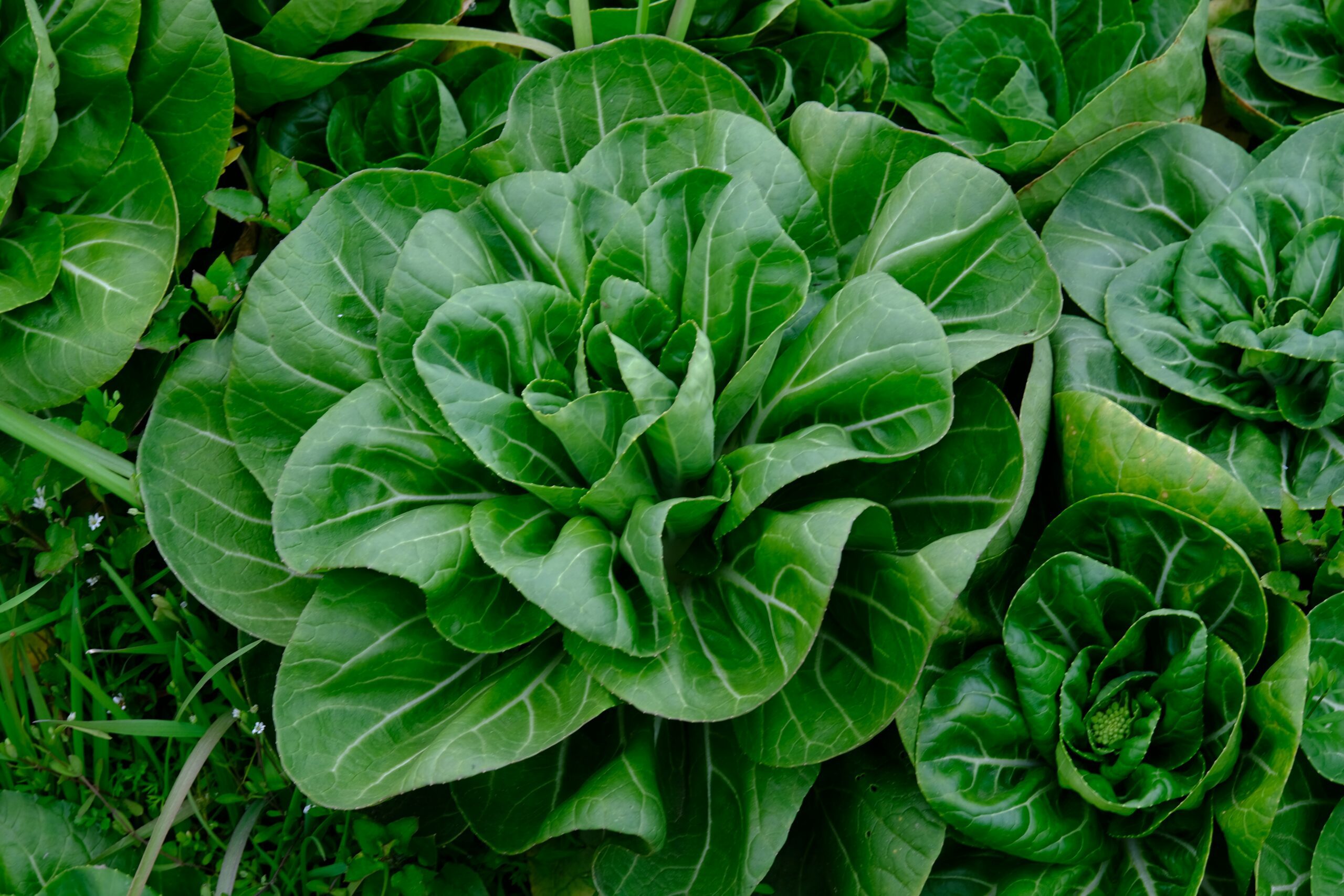
Salad leaves — a mix of lettuce, rocket, mustard leaves, and spinach — are the quickest, most space-efficient crop a beginner can grow. Sow directly into a container, raised bed, or window box, water regularly, and you can be harvesting within four to six weeks.
The “cut and come again” method means you don’t harvest the whole plant — you snip the outer leaves at about 3cm above the base and the plant regrows, giving you multiple harvests from a single sowing. Stagger sowings every three weeks from March through to September and you’ll have salad leaves continuously through the growing season.
Salad leaves do best in cooler weather — they bolt (run to seed and turn bitter) in prolonged heat. In summer, a little shade during the hottest part of the day prolongs the harvest.
A bag of mixed salad seeds costs around £2 and will keep you in leaves for months. Very few crops offer better value.
📖 Also read: The Best Herbs to Grow on a Kitchen Windowsill (And How to Keep Them Alive)
3. Runner Beans
Runner beans are one of the great British kitchen garden staples, and they’re much easier than their need for a support structure might suggest. Sow directly outside from mid-May once the soil has warmed, or start indoors in April for an earlier crop. They germinate quickly, grow fast, and produce abundantly from July through to October.
The support structure — a wigwam of 2.4m canes, or two rows of canes tied together at the top — needs to be in place before the plants get going, but it takes half an hour to set up and lasts for years. Once the beans start climbing, they’re largely self-sufficient.
Like courgettes and sweet peas, runner beans need regular picking to keep producing. Leave beans to get fat and stringy on the plant and the whole structure starts winding down. Pick every two to three days at the height of summer when pods are about 20cm long and still flat.
Borlotti beans are an excellent alternative for beginners who want something slightly different — the plants look beautiful, the beans dry well for winter storage, and they need even less attention than runners.
4. Radishes
Radishes are the ultimate instant-gratification crop. Sow directly into the ground or a pot from March onwards and you can be pulling your first radishes within three to four weeks. No indoor starting required, no special soil preparation, minimal space needed.
They’re perfect for filling gaps between slower-growing crops and are an excellent way to keep children engaged with gardening — the speed of growth makes them more exciting than almost any other vegetable.
Varieties like French Breakfast and Cherry Belle are reliable and widely available. Sow little and often — a short row every two weeks rather than a whole packet at once — to avoid a glut of radishes all ready at the same time.
5. Courgettes — What About Tomatoes?
Tomatoes are the most popular home-grown vegetable in the UK, and they’re absolutely worth growing — but they’re not the easiest starting point for a complete beginner. They need consistent warmth, regular feeding, precise watering (inconsistent moisture causes blossom end rot and split fruits), and in most parts of the UK they perform best under glass or in a greenhouse.
If you want to try tomatoes in your first season, choose a compact outdoor variety like Tumbling Tom or Gardener’s Delight, grow in a large pot in the sunniest spot you have, and accept that results will vary with the British summer. In a good year they’re spectacular. In a dull, wet July they can be disappointing.
For a more reliable first experience of growing your own food, the crops listed here are less dependent on weather.
6. Peas
Growing your own peas is one of those experiences that genuinely changes how you think about vegetables. A pea eaten straight from the pod in the garden tastes nothing like a frozen or shop-bought pea — they’re sweet, tender, and slightly grassy in a way that no pea you’ve ever bought will have prepared you for.
Peas can be sown directly outside from March (or February under cloches), don’t need starting indoors, and grow quickly in cool British spring weather — conditions that many other vegetables struggle with. They need some support: twiggy pea sticks pushed into the ground beside them, or a length of netting, is enough for most varieties.
Sugar snap and mangetout varieties are particularly beginner-friendly because you harvest the whole pod before the peas inside have fully developed — there’s no shelling required and there’s a longer harvest window than with traditional garden peas.
Sow a second batch in June for an autumn crop. Peas don’t love midsummer heat and will often stop producing in a hot July, so two sowings gives you peas at both ends of the season.
7. Perpetual Spinach and Chard
Regular spinach is actually one of the trickier leafy crops — it bolts rapidly in warm weather and has quite a short harvest window. Perpetual spinach (also sold as leaf beet or spinach beet) looks similar but is far more robust, producing large, mild leaves from spring through to the following spring if you cut it regularly.
Swiss chard is even more beginner-friendly — colourful, extremely hardy, very productive, and almost completely ignored by slugs and other pests. Sow both directly outside from April and they’ll largely look after themselves.
Neither is quite as exciting as growing your first courgette or a handful of peas, but they’re reliable workhorses that fill the gap when more glamorous crops have come and gone.
8. Spring Onions
Spring onions are almost foolproof. Sow directly from March to August in any reasonable soil, thin to about 2cm apart, and pull when pencil-thick from about eight weeks after sowing. They need no specialist care, take up almost no space, and are genuinely useful in the kitchen.
White Lisbon is the most widely available variety and reliably good. Like radishes, they’re excellent for filling gaps between slower crops in a raised bed.
📖 Also read: How to Build a Raised Bed Garden from Scratch — Everything a UK Beginner Needs to Know
Getting the Most from Your First Season
A few principles apply across all of these crops and make the difference between a frustrating first season and a productive one.
Start with good soil. Even the easiest vegetables perform noticeably better in enriched soil. Work in compost before planting and you’ll see the difference from the first week.
Water consistently. Irregular watering stresses plants and causes problems — split fruits on tomatoes, bolting in salads, bitter flavours in many crops. A deep water every two to three days is better than a daily sprinkle.
Pick regularly. Almost every vegetable on this list rewards frequent harvesting with more produce. Leaving things on the plant too long slows or stops production.
Don’t sow everything at once. Stagger sowings across the season and you avoid the feast-or-famine problem of everything being ready in the same two-week window.
📖 Also read: Plant These Next to Your Tomatoes and Watch What Happens (UK Companion Planting Guide)
A Few Final Thoughts
The best vegetable to grow as a beginner is whichever one you’re most excited to eat. All of the above are genuinely easy in UK conditions, but enthusiasm matters — you’re more likely to water something you’re looking forward to harvesting.
Start small, start with things you’ll actually cook, and don’t be disheartened if one crop underperforms. British summers are variable and even experienced gardeners have bad years with particular vegetables. The point of the first season is to get your hands in the soil, learn how your garden behaves, and find the two or three crops that work brilliantly in your specific conditions. Those become your staples, and you build from there.
The RHS has a comprehensive beginner’s guide to growing vegetables that covers crop-by-crop advice, spacing, and common problems in more detail if you want to go deeper on any of the above.
Leave a Reply