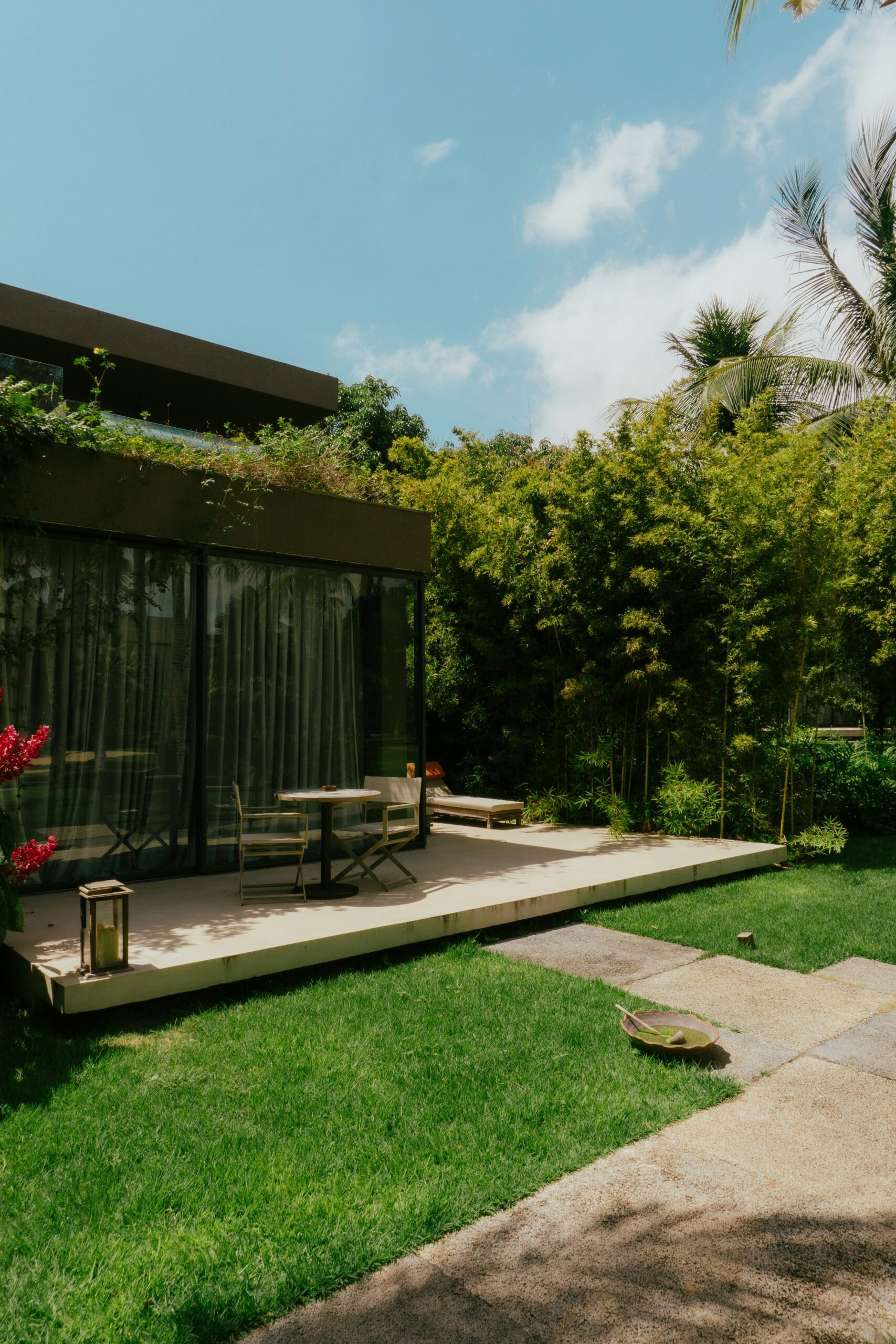
How to plan your garden before you spend a single penny is the question that almost nobody asks — but everybody wishes they had. How to plan your garden before you spend a single penny is the difference between a garden that evolves slowly and intentionally into something you love, and one where you’ve spent several hundred pounds over several seasons buying plants that don’t work together, in the wrong spots, at the wrong times. Planning isn’t the boring part of gardening. It’s the part that makes everything else easier.
The good news is that planning a garden requires almost no specialist knowledge and no expensive software. A notebook, a tape measure, and an hour or two outside on a dry afternoon is enough to get started. What it does require is slowing down and observing before you act — which goes against the natural instinct of most gardeners, who want to get a spade in the ground as quickly as possible.
Why Planning First Saves Money and Frustration
It’s easy to underestimate how much a little forethought changes outcomes in the garden. Plants bought on impulse at a garden centre are exciting in the moment and frequently disappointing six months later — when you discover that the sun-loving lavender you planted in the shadiest corner of the garden is struggling, or that the shrub you bought because it looked beautiful in flower has grown to three times the size you expected and is now blocking your path.
Planning doesn’t have to be rigid. You don’t need to specify every plant and every position before you begin. But having a clear sense of your priorities, your constraints, and the overall structure of what you want to achieve means that every purchase and every decision moves you in the same direction rather than pulling you in several at once.
The other practical benefit is budget. Gardens can absorb as much money as you’re willing to put in — but they don’t have to. A planned garden lets you prioritise where spending makes the most difference and where patience (growing from seed, dividing existing plants, buying small) saves money without compromising results.
Step 1: Observe Before You Do Anything
The most important step in planning a garden is also the easiest to skip: spending time watching what your garden actually does.
Before you draw a single line or buy a single plant, spend a day at home and note where the sun falls at different times. A garden that seems sunny in the morning might be in shade by midday; a spot that looks shady at noon might get full afternoon sun. This matters enormously for plant selection — the difference between a sun-loving rose and a shade-tolerant fern is not a minor detail.
Note where the prevailing wind comes from. In the UK, this is usually the south-west, but buildings, fences, and hedges create complex local patterns. Exposed, windy spots need robust plants; sheltered spots can support more tender choices.
Look at where water collects after rain. Low-lying areas that stay wet are potential bog gardens or problem spots, depending on your perspective. Dry, free-draining slopes need drought-tolerant planting.
And observe how you actually use the space. Which route do you take across the garden instinctively? Where do you stand when you look out of the kitchen window? Where would you naturally sit if there were a seat? These patterns of use should shape the design.
📖 Also read: The Complete UK Gardening Calendar
Step 2: Measure and Sketch
Once you’ve observed, measure. You don’t need to be precise to the centimetre — approximate measurements are fine for most purposes. Measure the overall dimensions of the garden, the position of the house, any existing features you’re keeping (a large tree, a shed, a patio), and note which direction is north.
Then sketch it out on paper. Squared paper makes this easier, but plain paper works perfectly well. The sketch doesn’t need to be artistic — it just needs to be accurate enough to give you a spatial sense of what you’re working with.
Mark on your sketch the key conditions you observed: sunny areas, shaded areas, damp corners, windy spots, views you want to preserve or screen. This becomes your base map — the starting point for all your planning decisions.
If you find sketching difficult, take photographs from several angles including from an upstairs window if possible. A bird’s-eye view of the garden — even a rough one — helps enormously when thinking about overall layout.
Step 3: Define What You Actually Want
This sounds obvious, but most people skip it. Before you start deciding where the beds will go or which plants you want, write down — honestly — what you want the garden to do.
Do you want to grow food? Cut flowers for the house? A lawn for children to play on? A low-maintenance space that looks good with minimal effort? A wildlife garden? Somewhere to sit and eat outside in summer? A space to garden seriously, with space for a compost heap, a cold frame, and a potting bench?
Most gardens need to do several of these things, and the priorities will differ from household to household. The important thing is to be honest about your actual life rather than your aspirational one. A high-maintenance cottage garden with complex perennial borders is wonderful if you have the time and inclination to look after it. If you don’t, it becomes a source of guilt rather than pleasure.
Write your priorities in order. The first two or three on the list should drive your decisions. The rest can be accommodated where possible.
Step 4: Think About Structure First
Professional garden designers think about hard landscaping — paths, patios, raised beds, fences, arches — before they think about plants. This is because structure gives a garden its bones: the framework that makes it look coherent at any time of year, including February when nothing is in flower.
On your sketch, start by marking the structural elements you want or need. Where is the main sitting area? How does it connect to the house? Where do paths need to run, and what surface will they be? Is there space for a greenhouse, a shed, a cold frame, a compost area?
Paths deserve particular attention. A path that follows the natural desire line — the route people actually walk — works far better than one that forces people to take a detour. If you have children or regularly cross the garden to reach a gate or shed, a direct route will always win out over a meandering decorative one.
The RHS has excellent guidance on planning and designing a garden layout that covers these structural decisions in more detail.
Step 5: Divide the Space into Zones
Once the structure is mapped, divide the remaining space into zones — areas that will serve different purposes or contain different types of planting. A typical UK garden might divide into: a main border (ornamental planting), a lawn or seating area, a vegetable growing area, a utility area (compost, bins, storage), and perhaps a wilder or less formal section.
Zones don’t have to be rigidly separated. The transition from a formal lawn to a looser informal planting can be gradual and is often more pleasing than a hard edge. But thinking in zones helps you allocate space sensibly and avoid the common problem of trying to do too many things in one area.
Consider proportion as you zone. A common mistake is to make decorative borders too narrow and lawns too dominant. A border less than a metre deep rarely works well; two metres or more gives you the space to layer planting properly and create real depth.
📖 Also read: How to Layer Plants in a Border
Step 6: Research Plants for Your Conditions
Only at this stage — once you understand your conditions, have a rough structure, and know what you want each zone to do — should you start thinking seriously about plants.
For each zone, note the conditions: sun or shade, wet or dry, sheltered or exposed. Then research plants that suit those conditions rather than trying to force plants you like into places that don’t suit them. The RHS Plant Finder is an invaluable tool for this — you can filter by aspect, soil type, and eventual size, which makes shortlisting realistic candidates much faster.
Make a list for each zone: potential tall plants, medium plants, low plants, ground cover, bulbs for seasonal interest. Then whittle it down to a final selection based on what works together visually — similar or complementary colour palettes, a mix of flower shapes and foliage textures — and what fits your budget.
Step 7: Phase the Work Realistically
A garden makeover doesn’t have to happen all at once. In fact, phasing the work over two or three seasons often produces better results — you get time to observe how things develop, make adjustments, and spread the cost.
A sensible phasing for most UK gardens:
Season 1: Install any hard landscaping (paths, patio, raised beds). These are the most disruptive elements and are easier to do in an otherwise empty space. Clear existing planting you’re not keeping. Improve soil across the whole garden.
Season 2: Plant the structural elements — trees, large shrubs, hedges. These take longest to establish and should go in early. Begin the main borders with key anchor plants.
Season 3: Fill in with perennials, bulbs, ground cover, and annuals. Tweak and adjust based on what you’ve observed in the previous two seasons.
This approach feels slower than doing everything at once, but it produces gardens that look and feel more considered — because they are.
📖 Also read: Container Gardening Ideas for Small UK Gardens
Free and Low-Cost Planning Tools
You don’t need to spend anything on planning tools. Graph paper and pencil remain the most flexible and intuitive options for most people. But if you prefer a digital approach, there are several free tools worth knowing about.
Garden Planner (available at growveg.com) has a free trial and is particularly good for vegetable garden layout. SketchUp Free is a 3D modelling tool with a learning curve but powerful results. Even a basic PowerPoint or Google Slides presentation, with shapes representing different zones and plants, can serve as a planning document.
For inspiration, the RHS website, the National Garden Scheme’s garden finder, and Pinterest boards of UK gardens in similar sizes and styles to your own are all excellent starting points — and entirely free.
The Most Important Rule
The best garden plan is one you actually use. A beautifully detailed design that sits in a folder and never guides a single decision is less useful than a rough sketch on the back of an envelope that you refer to every time you’re about to buy a plant or dig a new bed.
Planning a garden before you spend a penny isn’t about being cautious or unadventurous. It’s about making sure that when you do spend — time, money, energy — it’s pointed in the right direction. The gardens that genuinely delight their owners, year after year, are almost always the ones that started with a clear sense of purpose and a willingness to think before digging.
Leave a Reply