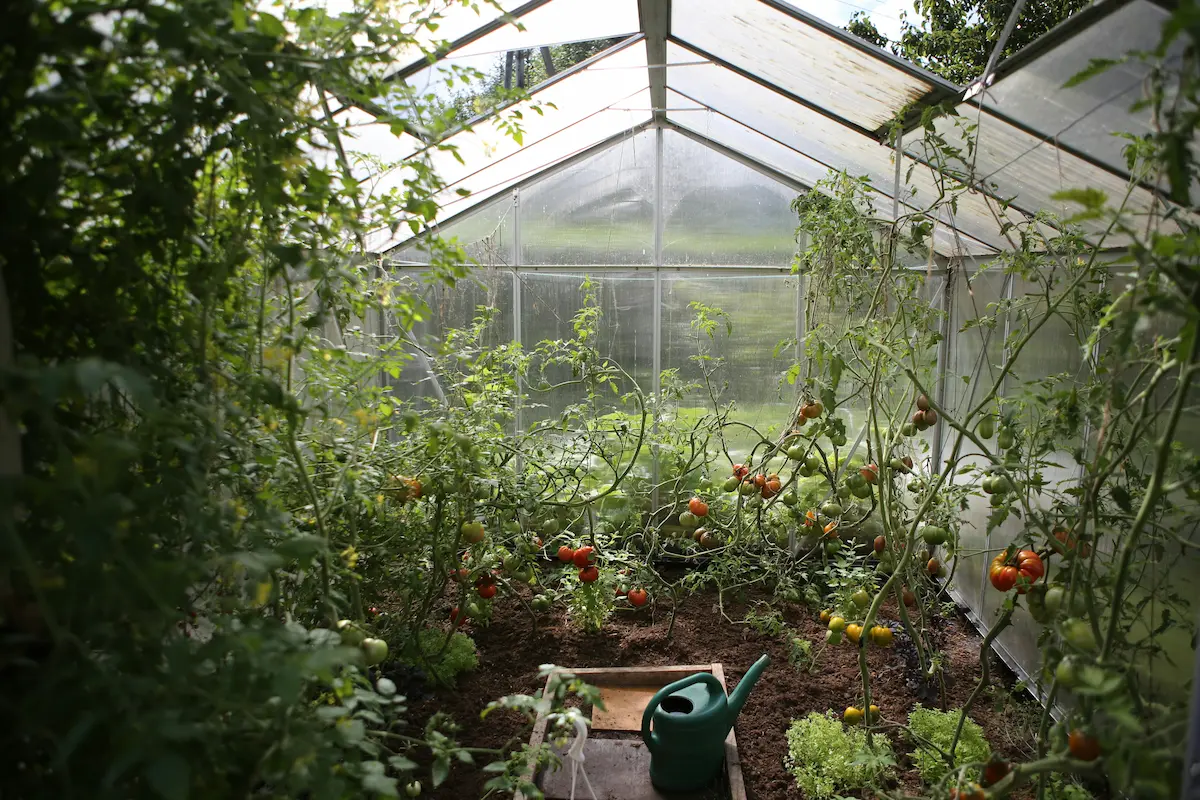
Greenhouses vs polytunnels is one of those questions that gets asked a lot in UK gardening circles, and the honest answer is that it depends entirely on what you want to grow, how much space you have, and what you’re willing to spend. Greenhouses vs polytunnels is not simply a question of which is better — they’re different tools for different situations, and for a beginner, the most important question is actually whether you need either of them at all.
Both structures do the same fundamental thing: they create a protected growing environment that extends your season, keeps out the worst of the British weather, and allows you to grow crops that would struggle or fail completely outdoors. But they do it in different ways, at different costs, with different advantages and drawbacks — and choosing the wrong one for your situation is a mistake that’s expensive to undo.
What Both Structures Actually Do
Before comparing them, it’s worth being clear about what either structure gives you that gardening outdoors doesn’t.
Season extension is the primary benefit. In the UK, our growing season is limited by cold springs and early autumns. A greenhouse or polytunnel lets you start seeds six to eight weeks earlier than outdoor sowing, keep frost-tender plants growing well into October, and overwinter plants that would die outside. In practical terms, this means tomatoes, cucumbers, peppers, and aubergines — crops that want more warmth and a longer growing season than a typical British summer reliably provides.
Weather protection is the second major benefit. Blight on tomatoes, for example, is dramatically less common under cover because the pathogen needs the combination of warmth and humidity that outdoor British summers provide. Crops under glass or polythene are sheltered from heavy rain, strong wind, and the sudden temperature swings that stress plants and reduce yields.
Propagation space matters enormously for gardeners who grow from seed. Having somewhere frost-free and bright to germinate seeds in February and March — before outdoor temperatures are suitable — is genuinely transformative for what you can grow and when.
The Case for a Greenhouse
A greenhouse is a permanent, rigid structure, typically with an aluminium or timber frame glazed with glass or polycarbonate. A basic 6×8ft aluminium greenhouse from a UK supplier like Halls or Eden starts at around £400–£600. Better quality models — larger, with proper staging, ventilation, and toughened glass — range from £800 to several thousand pounds.
Advantages: A greenhouse looks permanent and attractive in a garden, adds value to a property, and with proper maintenance will last decades. Glass transmits slightly more light than polythene, which matters for overwintering and early-spring propagation when light levels are low. A well-designed greenhouse with roof vents, staging, and a solid base is a genuinely enjoyable space to work in — a real garden room.
Disadvantages: Cost is the main one. A decent greenhouse is a significant investment, and budget models (under £300) are often flimsy, difficult to assemble, and don’t last. Siting is also more critical — a greenhouse needs a level, solid base (concrete or slabs) and ideally a south or south-west facing position with no shading from trees or buildings. Moving it later is not really an option.
Size is the other limitation. A standard 6×8ft greenhouse sounds reasonable but fills up faster than you’d expect — six tomato plants in grow bags, some staging for propagation trays, and a couple of overwintering tender plants and you’ve used most of the floor space.
Best for: Gardeners with a permanent garden, who want a multi-purpose structure for propagation, tomato growing, and overwintering, and who are willing to invest properly in a quality structure.
📖 Also read: I Wasted Three Summers Growing Tomatoes Wrong — Here’s What Actually Works
The Case for a Polytunnel
A polytunnel is a semi-permanent structure — a steel hoop frame covered with a UV-stabilised polythene skin. Polytunnel polythene typically lasts five to eight years before it needs replacing (the replacement cover costs a fraction of a new tunnel). A basic 8×12ft polytunnel from a UK supplier like First Tunnels or Premier Polytunnels starts at around £200–£350 — significantly less than a comparable greenhouse.
Advantages: Cost is the obvious one — you get far more growing space per pound with a polytunnel than a greenhouse. A 12×18ft polytunnel (a practical allotment size) costs around £400–£600 and gives you space for a serious amount of growing — a full row of tomatoes, cucumbers, peppers, and still room for salad beds and propagation. The additional space is genuinely transformative for productivity.
Polytunnels also warm up faster than greenhouses in spring because the curved polythene roof creates a better heat-trapping effect. In cold snaps, a polytunnel loses heat more quickly than glass — but in a typical UK growing season, the warming effect is the more important factor.
They’re also more flexible. A polytunnel can be dismantled and moved (with effort) if you need to relocate, and replacing the polythene cover every few years is relatively straightforward and affordable.
Disadvantages: Aesthetics — a polytunnel is not beautiful. In a small ornamental garden it can look out of place. Planning permission is not usually required for a polytunnel (it’s generally treated as a temporary structure), but some neighbours and local authorities have views on large polythene structures.
Ventilation needs more attention in a polytunnel than a greenhouse. On a warm summer day, temperatures inside can become extreme without adequate airflow from open doors and side vents. Most decent polytunnels have doors at both ends and side ventilation options.
Best for: Vegetable growers who want maximum growing space per pound, allotment holders, and anyone who prioritises productivity over aesthetics.
Neither — Do You Actually Need One?
This is the question most beginner guides skip, and it’s worth addressing honestly.
For a beginner gardener in the UK, you do not need a greenhouse or polytunnel to grow an excellent range of food and flowers. The vast majority of UK vegetable crops — potatoes, beans, courgettes, salad leaves, root vegetables, brassicas, peas, herbs — grow perfectly well outdoors. So do most ornamental plants. A cold frame (essentially a bottomless box with a glass or polycarbonate lid, costing £30–£100) provides propagation space and frost protection for tender plants at a fraction of the cost of either structure.
If you’re in your first or second year of gardening, the honest recommendation is to invest in good soil improvement and sound basic technique before spending £500 on a greenhouse. Learn what you can grow outdoors successfully — which is a lot — and then decide whether the crops that genuinely need protection (tomatoes, cucumbers, aubergines, peppers) are important enough to you to justify the investment.
A cold frame or mini greenhouse (a small, inexpensive walk-in plastic greenhouse costing £30–£50) is a genuinely useful starting point. It gives you propagation space in early spring and hardening-off space in April and May without the commitment or cost of a full structure.
📖 Also read: Vertical Gardening in the UK
Greenhouse or Polytunnel: The Direct Comparison
| Greenhouse | Polytunnel | |
|---|---|---|
| Cost (entry level) | £400–£600 | £200–£350 |
| Space per £ | Less | More |
| Lifespan | 20–30+ years | 5–8 years (cover), frame indefinite |
| Aesthetics | Attractive | Functional |
| Light transmission | Slightly better | Good |
| Heat retention | Better in cold snaps | Warms faster in spring |
| Portability | Fixed | Can be moved |
| Planning permission | Sometimes needed | Rarely needed |
| Best use | Propagation, tomatoes, overwintering | High-volume veg growing |
Making the Decision
If you have a small to medium ornamental or mixed garden and want to grow tomatoes and do early propagation, a greenhouse of at least 6×10ft (bigger is always better) is the right choice — invest in a quality one rather than a cheap one.
If you have an allotment or a larger garden primarily devoted to growing food, and productivity matters more than appearance, a polytunnel gives you far more for your money.
If you’re a beginner who isn’t sure yet, start with a cold frame and a packet of seeds — grow successfully outdoors for a season, then make a more informed decision about what covered structure, if any, actually serves your needs.
The RHS has thorough guidance on choosing a greenhouse that covers siting, glazing options, and base preparation in more detail if you’ve decided a greenhouse is the right choice.
📖 Also read: How to Grow Cucumbers in the UK
One Final Thought
The best greenhouse or polytunnel is the one that gets used. A beautiful greenhouse that sits empty because it’s awkwardly placed, too small, or too expensive to heat is less useful than a simple cold frame you check on every day. Whatever structure you choose, put it where you’ll actually access it regularly — close to the house, on your main garden route — and it will earn its keep many times over.
Leave a Reply