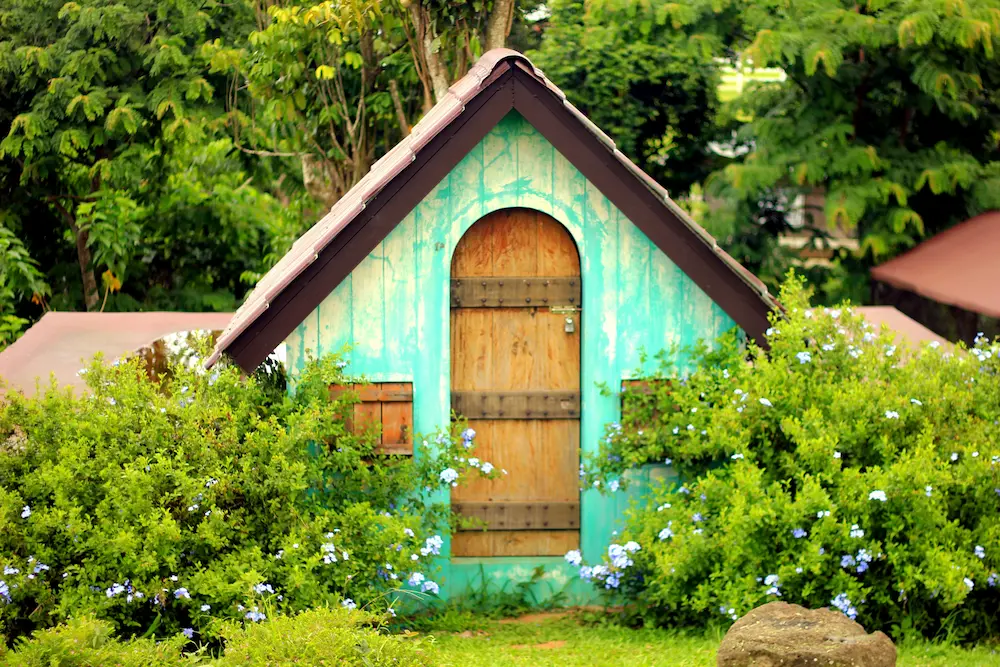
Garden sheds are one of those purchases that most UK gardeners eventually make and many eventually regret — not because sheds are a bad idea, but because the wrong shed in the wrong place is a source of frustration for years. Garden sheds seem straightforward until you start researching them and discover that the choices are wider than expected, the price range is enormous, and the difference between a shed that lasts twenty years and one that’s rotting within five often comes down to decisions made before you’ve even bought it.
This guide cuts through the marketing and gives you the honest comparison you actually need — material by material, with practical advice on sizing, siting, and the planning permission question that catches more people out than it should.
Why You Probably Need a Shed
Before the comparison, it’s worth being clear about what a shed actually does for a garden. The obvious answer is storage — somewhere for tools, lawnmowers, pots, compost bags, and everything else that would otherwise clutter the garage or spare room. But a good shed does more than that.
It creates a dedicated gardening space — somewhere to pot up seedlings out of the rain, overwinter tender plants, store chemicals safely away from children, and hang up wet gloves without bringing mud into the house. A shed that’s genuinely well-organised and well-positioned becomes the operational heart of a serious garden.
It also adds value. A decent garden shed is a selling point for a property — buyers understand that storage is useful and a well-maintained shed signals a well-kept garden.
Wooden Sheds
Wooden sheds are the most popular choice in UK gardens by a significant margin, and for good reason. They look right in a British garden setting, they’re available in the widest range of sizes and styles, they can be painted or stained to match your garden scheme, and a well-maintained wooden shed outlasts most alternatives.
The good: Timber sheds feel more substantial than plastic and more attractive than metal. They can be customised — extra shelves, hooks, a window moved, a workbench built in — in ways that plastic and metal sheds generally can’t. They also provide better insulation than either alternative, which matters if you’re using the shed for propagation or overwintering.
The less good: Wood requires maintenance. An untreated or poorly maintained wooden shed will deteriorate rapidly in the UK’s wet climate. The treatment schedule — a coat of preservative or exterior paint every two to three years — is straightforward but must not be skipped. Buy a shed with pressure-treated timber and you dramatically extend its natural lifespan; untreated shed timber in the UK typically lasts 5–7 years before rot sets in seriously.
What to look for: Tongue-and-groove cladding rather than overlap cladding — it’s significantly more weatherproof and robust. A floor thickness of at least 12mm. Windows with toughened or styrene glazing rather than standard glass. Galvanised fixings throughout — non-galvanised screws and bolts rust quickly and weaken the structure.
Price range: A basic overlap-cladded 6×4ft wooden shed starts at around £150–£200 from a DIY store. A good quality pressure-treated tongue-and-groove 8×6ft shed from a reputable manufacturer costs £400–£700. Workshop-quality large sheds with thick cladding and proper double doors cost £800–£2,000+.
Plastic (Resin) Sheds
Plastic or resin sheds have improved enormously in quality over the past decade and are now a genuinely viable option for gardeners who want low-maintenance storage.
The good: Virtually zero maintenance — no treating, painting, or worrying about rot. The better resin sheds are UV-stabilised so they don’t fade or become brittle with age. They’re easy to clean (a hose down once a year), resistant to rust and rot, and often come with a lifetime guarantee. For straightforward tool and lawnmower storage, a decent resin shed does everything required.
The less good: The aesthetics divide opinion — resin sheds look functional rather than attractive, and most are available in a limited range of colours (usually tan, grey, or dark green). They’re also less customisable than wood — you can’t easily add a workbench or internal shelving that attaches to the walls. The cheaper models can feel flimsy in high winds, and panels can crack if struck hard.
What to look for: Double-wall construction rather than single-wall — it’s significantly stronger and better insulated. Steel reinforced floor panels. Proper anchoring points — a plastic shed not anchored to a solid base or the ground will be vulnerable to high winds. Avoid the very cheapest resin sheds; quality varies enormously.
Price range: Entry-level plastic sheds start at around £200 for a small unit. Mid-range quality 6×4ft resin sheds cost £300–£500. Larger high-quality resin sheds cost £600–£900.
Metal Sheds
Metal sheds — typically galvanised steel — are the most practical choice for pure storage in terms of security and fire resistance, but they’re the least popular material in UK domestic gardens for aesthetic reasons.
The good: Metal sheds are very secure — far harder to break into than wood or plastic. They’re fireproof, resistant to rot, and virtually impervious to pests (no risk of wood-boring insects). They’re also typically the cheapest option at a given size. A basic metal shed is fine for storing chemicals, petrol-driven equipment, and anything else you’d rather keep in a secure, fire-resistant space.
The less good: Metal sheds condensate badly — warm, moist air inside a metal shed condenses on the cold metal walls, which means tools stored inside can rust unless proper ventilation is maintained. They’re also the least attractive material and can look out of place in an ornamental garden. Temperature extremes are more pronounced in metal — very hot in summer, very cold in winter — which makes them unsuitable for overwintering plants or storing anything temperature-sensitive.
What to look for: Galvanised steel throughout, not just coated. Ventilation panels. Floor anchor points. Solid steel fixings rather than lightweight self-tapping screws. Check the gauge (thickness) of the steel — thicker gauge is more durable and more secure.
Price range: Small basic metal sheds start at under £150. Larger quality models cost £250–£500. The premium end — proper workshop-grade steel buildings — costs considerably more.
The Honest Summary: Which to Choose
| Wooden | Plastic | Metal | |
|---|---|---|---|
| Appearance | Best | Functional | Industrial |
| Maintenance | Moderate | Minimal | Low |
| Lifespan (maintained) | 15–25 years | 15–20 years | 10–20 years |
| Insulation | Good | Fair | Poor |
| Security | Moderate | Moderate | Best |
| Customisation | Best | Limited | Limited |
| Price (mid-range) | £400–£700 | £300–£500 | £250–£500 |
Choose wooden if you care about how your garden looks, plan to use the shed for more than just storage, and are willing to maintain it every few years.
Choose plastic if you want zero maintenance, don’t mind the appearance, and primarily need weatherproof storage.
Choose metal if security is the primary concern, you’re storing fuel or chemicals, or budget is very tight and appearance doesn’t matter.
📖 Also read: How to Plan Your Garden Before You Spend a Single Penny
Where to Put It
Shed placement is where most people make their biggest mistake — and it’s a mistake that’s expensive to correct once the shed is up and a concrete base has been laid.
Practical considerations first: Put the shed where you’ll actually use it — close to the vegetable patch, near the back door, or wherever you do most of your gardening. A shed at the far end of the garden looks tidy but means carrying tools and equipment across the whole plot every time you garden. Proximity to a power supply (if you want a light or sockets) and water (for a standpipe) is also worth thinking about.
Sun and shade: Avoid siting a wooden shed in deep, permanent shade — it won’t dry out properly between rain showers and will rot faster. A shed that gets some sun during the day dries out and lasts longer. For a greenhouse or potting shed function, a south or east-facing aspect is best.
Drainage: Don’t place a shed in the lowest part of the garden where water collects. Even a raised base doesn’t fully compensate for consistently wet ground around the structure.
Neighbour considerations: Think about your shed’s impact on neighbouring gardens before positioning it. A large shed that shades a neighbour’s garden or borders their property can cause friction — and may have planning implications.
The base: Every shed needs a proper, level base — this is non-negotiable. A shed on bare earth shifts and settles unevenly, causing doors to jam, floors to warp, and the structure to rack over time. Options include a concrete slab (most permanent), pressure-treated timber bearers on compacted hardcore (good for timber sheds), or plastic grid paving on compacted gravel (quickest and cheapest). The RHS has practical guidance on shed bases and foundations worth reading before committing.
📖 Also read: How to Improve Clay Soil in the UK
Planning Permission — What You Need to Know
Most garden sheds in the UK don’t need planning permission because they fall within what’s called permitted development rights. The key rules are:
- The shed must be in the rear garden (front garden sheds almost always require permission)
- Maximum height of 2.5 metres if within 2 metres of a boundary; up to 4 metres with a dual-pitched roof or 3 metres with a flat/mono-pitched roof if further from the boundary
- The shed must not cover more than 50% of the total garden area
- It must not be used as a separate dwelling
These rules apply to most standard domestic sheds. Exceptions include listed buildings, conservation areas, and some new-build properties with Article 4 directions that restrict permitted development. If in any doubt, a quick call or online enquiry to your local planning authority clarifies the position at no cost.
📖 Also read: Vertical Gardening in the UK
Making It Work Once It’s Up
A shed is only as useful as its organisation. The most common shed failure isn’t structural — it’s that the shed becomes a dumping ground where nothing can be found. A few simple measures prevent this:
Install wall-mounted hooks for long-handled tools (spades, forks, rakes) immediately — tools leaning against a wall take up floor space and fall over constantly. Add a shelf at head height for smaller items. Use a pegboard on one wall for hand tools. Label shelves and boxes. Keep chemicals in a locked cabinet or on a high shelf out of reach of children.
A single afternoon spent properly organising a shed pays dividends for years. The difference between a shed you avoid and a shed you enjoy using is almost entirely about organisation rather than size or quality.
Leave a Reply