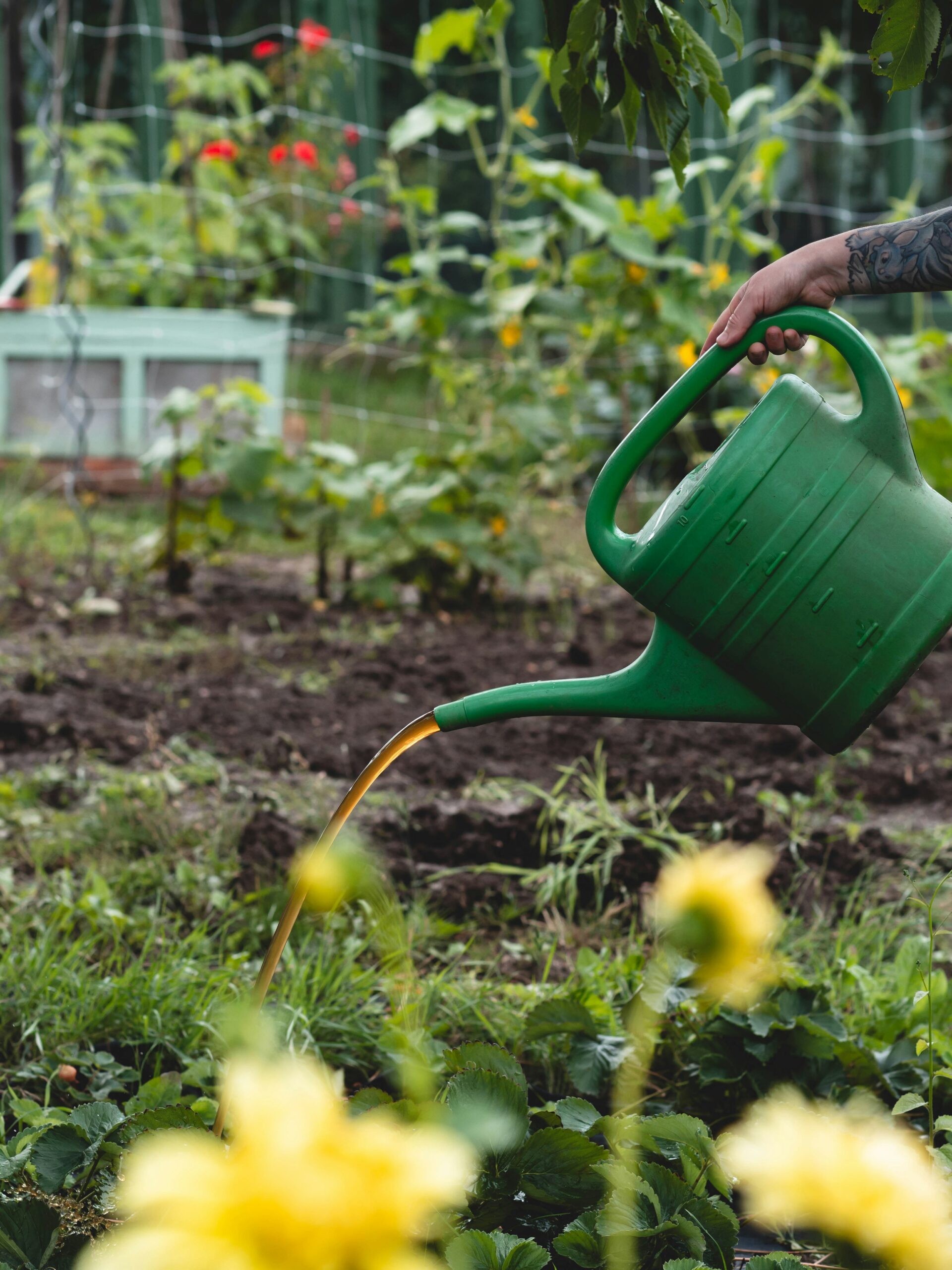
There is a weed in your garden right now that is worth more than a bottle of liquid fertiliser from the garden centre. Probably several of them. The nettles growing along your fence, the comfrey that appeared from nowhere, even the dandelions in your lawn — these plants have deep roots that mine nutrients from subsoil that your vegetable plants can’t reach. And you can extract those nutrients and turn them into a free, potent liquid feed in about two weeks.
This is one of those techniques that sounds slightly odd until you try it. Then it becomes a permanent part of how you garden.
The Science Behind Why It Works
Deep-rooted plants like nettles and comfrey draw up minerals from well below the surface — potassium, nitrogen, phosphorus, iron, calcium — that shallower-rooted plants can’t access. When you steep the leaves in water, those minerals leach out into the liquid. The resulting liquid feed, while not precisely formulated like a commercial fertiliser, contains a broad spectrum of plant nutrients in a form that plants can absorb immediately through their roots.
Comfrey liquid is particularly high in potassium — the nutrient that drives fruit and flower production. This makes it especially useful for tomatoes, courgettes, strawberries, and any other fruiting crop, where it works comparably to bought tomato feeds like Tomorite.
Nettle liquid is higher in nitrogen — the nutrient that drives leafy green growth. It’s particularly useful for leafy crops like spinach, lettuce, and kale, or for giving any plant a boost at the start of the growing season.
What You Need
- A large bucket with a lid (the lid is important — this process smells terrible)
- Nettles, comfrey leaves, or both
- Water
- A stick for stirring
- Gloves for harvesting nettles
That’s it. No equipment to buy.
How to Make Nettle or Comfrey Feed
Step 1 — Harvest the leaves Wear gloves and cut nettles before they flower (flowering diverts energy from leaves to seeds, reducing nutrient content). For comfrey, cut leaves at any point — the plant regrows rapidly and can be cut 4–5 times per season. Fill your bucket loosely with leaves — don’t pack them tightly.
Step 2 — Add water and weigh down Fill the bucket with water to cover the leaves. Use a brick or heavy stone to weigh the leaves below the surface — exposed leaves go slimy rather than fermenting properly.
Step 3 — Cover and wait Put the lid on. Leave somewhere out of the way — at the back of a shed, behind a fence — because it will develop a very strong, unpleasant smell as it ferments. This is completely normal and actually indicates it’s working.
Step 4 — Steep for 2–4 weeks Stir every few days. After 2 weeks the liquid will be dark brown, extremely strong-smelling, and ready to use. After 4 weeks it’s fully mature and most potent.
Step 5 — Dilute before use This is critical. Undiluted nettle or comfrey feed is so concentrated it will burn plant roots. Always dilute: roughly 1 part liquid to 10 parts water for comfrey, 1:20 for nettle feed. The resulting liquid should look like weak tea — pale brown, not dark.
Water directly onto the soil around plants, not onto leaves. Feed every 1–2 weeks during the growing season.
What to Do with the Solid Leftovers
Once you’ve used the liquid, the remaining soggy plant material goes straight onto the compost heap. It’s already partially broken down and will accelerate composting of other materials around it.
Growing Your Own Comfrey
If you don’t have comfrey in your garden already, it’s worth growing specifically for this purpose. Bocking 14 is the variety grown by UK organic gardeners — it’s sterile (doesn’t self-seed and become invasive), produces enormous leaves multiple times per season, and is available as root cuttings from online suppliers for around £5–8.
Plant once in a corner of the garden and it will produce free fertiliser material for decades. Comfrey is also an excellent compost activator — add leaves directly to your compost heap to speed decomposition.
💡 UK FORAGING NOTE: Nettles for fertiliser should be harvested from your own garden or with landowner permission. Don’t harvest from roadside verges where plants may be contaminated with exhaust pollution or herbicide spray. Garden nettles are perfect — and getting rid of them this way turns a nuisance into a resource.
Leave a Reply