Growing tomatoes UK gardeners can actually succeed at — but most guides set you up to fail. If you’ve ever ended up with a bucket of green, rock-hard fruits in September, you are not alone. I have done it myself — and I’ve watched plenty of neighbours do the same. The problem isn’t that tomatoes are difficult. The problem is that most growing guides are written for Mediterranean climates, not a drizzly back garden in Manchester.
This guide is specifically for growing tomatoes UK growers can rely on. No fluff, no tips that only work in California sunshine. Just exactly what you need to grow a proper crop of red, juicy tomatoes — even in our unpredictable summers.
Why Growing Tomatoes UK-Style Is Trickier — And How to Beat It
Tomatoes are warm-season plants that need at least 6–8 hours of sun per day and consistently warm nights. The UK growing season is short — roughly April to October — and many years we get weeks of cold, cloudy weather right in the middle of summer. This means choosing the right variety and starting at exactly the right time are everything.
The single biggest mistake UK beginners make is starting seeds too early. If you sow in January thinking you’ll get a head start, you’ll end up with leggy, weak seedlings sitting on your windowsill for months with nowhere to go. The sweet spot for most of the UK is mid-March to early April.
💡 UK TIMING TIP: Check the RHS (Royal Horticultural Society) last frost date for your region before moving plants permanently outside. In the north of England, that can be as late as mid-May. In the south, early May is usually safe.
Step 1 — Choose the Right Variety for Growing Tomatoes UK
Not all tomatoes are equal in our climate. These varieties are specifically bred or well-suited to UK conditions:
- Gardener’s Delight — A cherry tomato that consistently ripens in the UK, even in poor summers. Great for beginners.
- Alicante — A classic mid-sized variety that has been grown in British gardens for decades. Reliable and tasty.
- Tumbling Tom — Perfect if you’re growing in pots or hanging baskets on a balcony or patio. No staking needed.
- Shirley F1 — Developed for cooler climates, produces well even with limited sun.
Avoid large beef tomatoes if it’s your first year — they need a long, hot season to ripen fully and often disappoint in the UK.
Step 2 — Sow Your Seeds Indoors
You’ll need a seed tray or small pots, good quality seed compost (not all-purpose compost — it’s too rich for seeds), and a warm spot. A south-facing windowsill works well.
- Fill your tray or pots with seed compost and water it well first.
- Sow 2 seeds per pot, about 1cm deep.
- Cover with cling film or a propagator lid to keep humidity high.
- Place somewhere warm — tomato seeds need around 18–21°C to germinate. An airing cupboard works perfectly. They don’t need light until they sprout.
- Germination usually takes 7–14 days. As soon as you see green shoots, move them to a bright windowsill.
Once seedlings have two sets of true leaves, thin to the strongest plant per pot by snipping the weaker one at soil level (don’t pull — you’ll disturb the roots).
Step 3 — Pot On and Harden Off
When your plants are around 15–20cm tall, move them into larger pots (at least 10 litre for outdoor growing, or 20–30 litre for the best crop). Use a good multipurpose compost mixed with some perlite for drainage.
Before moving plants permanently outside, you must harden them off. This means gradually acclimatising them to outdoor conditions over 7–10 days — put them outside in a sheltered spot for a few hours each day, bringing them in at night. Skip this step and a sudden cold snap will shock your plants badly.
💡 UK WEATHER TIP: Always keep an eye on the Met Office forecast in May. A late frost warning means bring your plants back inside immediately — a single cold night can kill weeks of work.
Step 4 — Growing On and Feeding
The RHS tomato growing guide is a useful reference for growing tomatoes UK growers often overlook. Once outside (or in a greenhouse or polytunnel, which gives a massive advantage in the UK), tomatoes need:
- Staking — Cordon varieties (single stem) need a cane or string to grow up. Tie loosely with soft twine.
- Side-shooting — Remove the small shoots that appear in the ‘armpit’ between the stem and a leaf branch. This focuses energy into fruit production rather than leaves. Do this every week.
- Feeding — Once flowers appear, switch to a tomato-specific feed high in potassium. Tomorite is the classic UK choice, available in any garden centre or on Amazon. Feed every 7–14 days.
- Watering — Consistent watering is crucial. Irregular watering causes blossom end rot and split skins. In a hot spell, outdoor pots may need watering twice a day.
Step 5 — Helping Them Ripen Before Autumn
By late August, you’ll likely have a lot of green tomatoes racing against the clock before the cold arrives. Here’s what to do:
- Remove leaves covering fruit clusters to allow more light and airflow.
- In September, cut off the growing tip of cordon varieties — this tells the plant to stop growing and concentrate on ripening existing fruit.
- If frost threatens, pick tomatoes still green and ripen them indoors on a windowsill. Place a ripe banana next to them — the ethylene gas speeds up ripening.
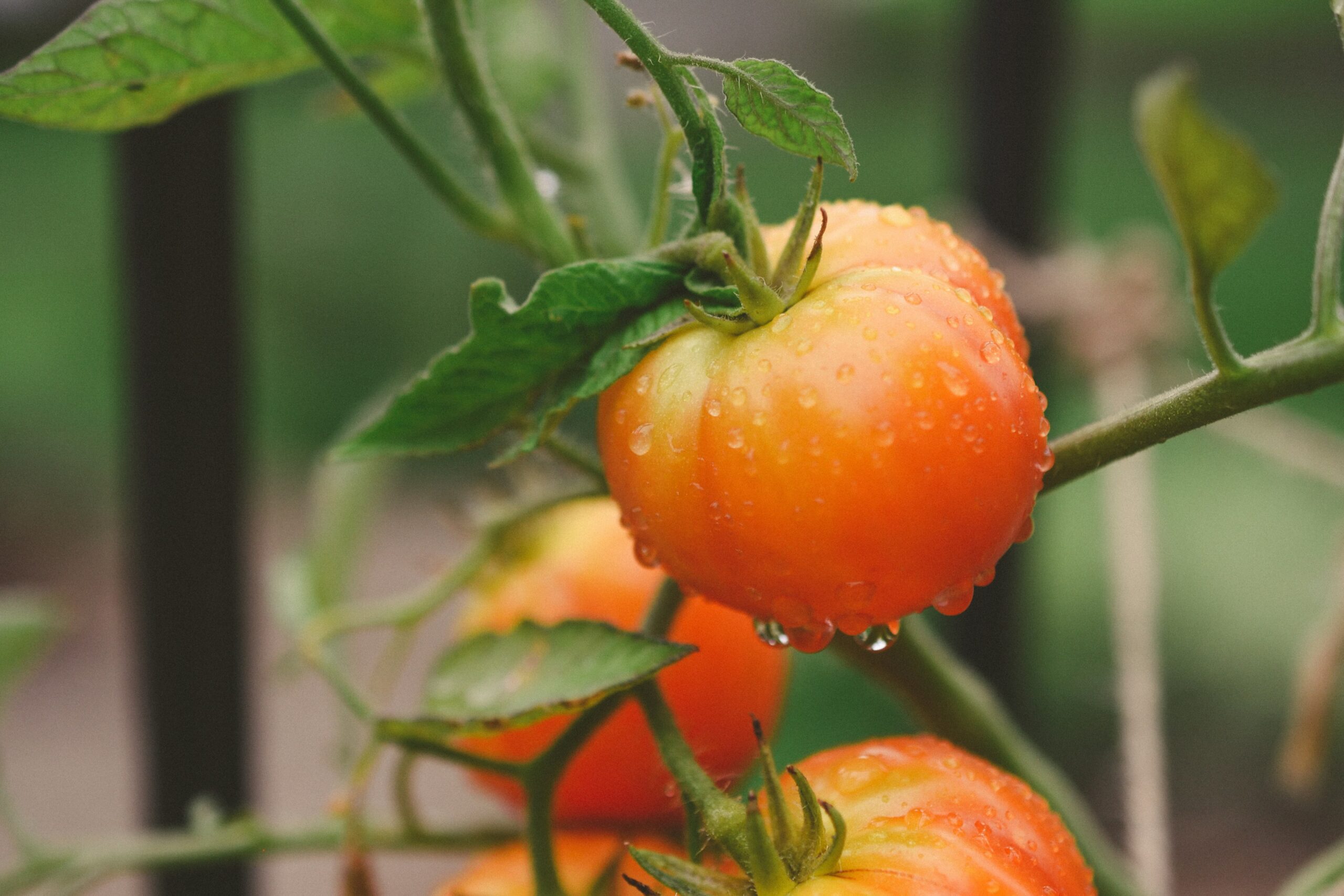
Growing tomatoes UK style — with the right variety, timing, and feeding — is one of the most rewarding things in a kitchen garden. When you get growing tomatoes UK conditions right, even a short summer can produce a brilliant crop. The moment you bite into a sun-warmed tomato you grew yourself, all the watering and side-shooting is completely worth it.
💡 WHAT TO BUY: Tomorite tomato feed, a bag of perlite, and a good propagator lid are the three purchases that make the biggest difference. All available on Amazon UK or at any garden centre.
Leave a Reply