Companion planting sounds like gardening folklore. The idea that putting one plant next to another can improve your harvest, repel pests, and make your whole garden healthier — it sounds too simple to be true. But the science behind it is real, the results are visible, and once you understand how it works, you’ll never plant tomatoes alone again. Choosing the right companion plants for tomatoes is one of the smartest things a UK grower can do.
This guide covers the best companion plants for tomatoes specifically — what to grow next to them, what to keep away, and why it all matters for UK growers dealing with our particular set of challenges: slugs, aphids, limited sun, and unpredictable summers.
📖 Also read: I Wasted Three Summers Growing Tomatoes Wrong — Here’s What Actually Works in the UK
What Is Companion Planting and Does It Actually Work?
Companion planting works through several mechanisms: some plants repel pests through scent, some attract beneficial insects that eat garden pests, some fix nitrogen in the soil that feeds neighbouring plants, and some act as trap crops — drawing pests away from the plants you care about.
The RHS acknowledges companion planting as having genuine benefits, particularly for pest management, though they note results vary. The honest answer is: it’s not magic, but it’s real, it costs nothing extra, and it makes your vegetable garden more interesting and biodiverse.
The Best Companions for Tomatoes
Basil — The Classic Pairing
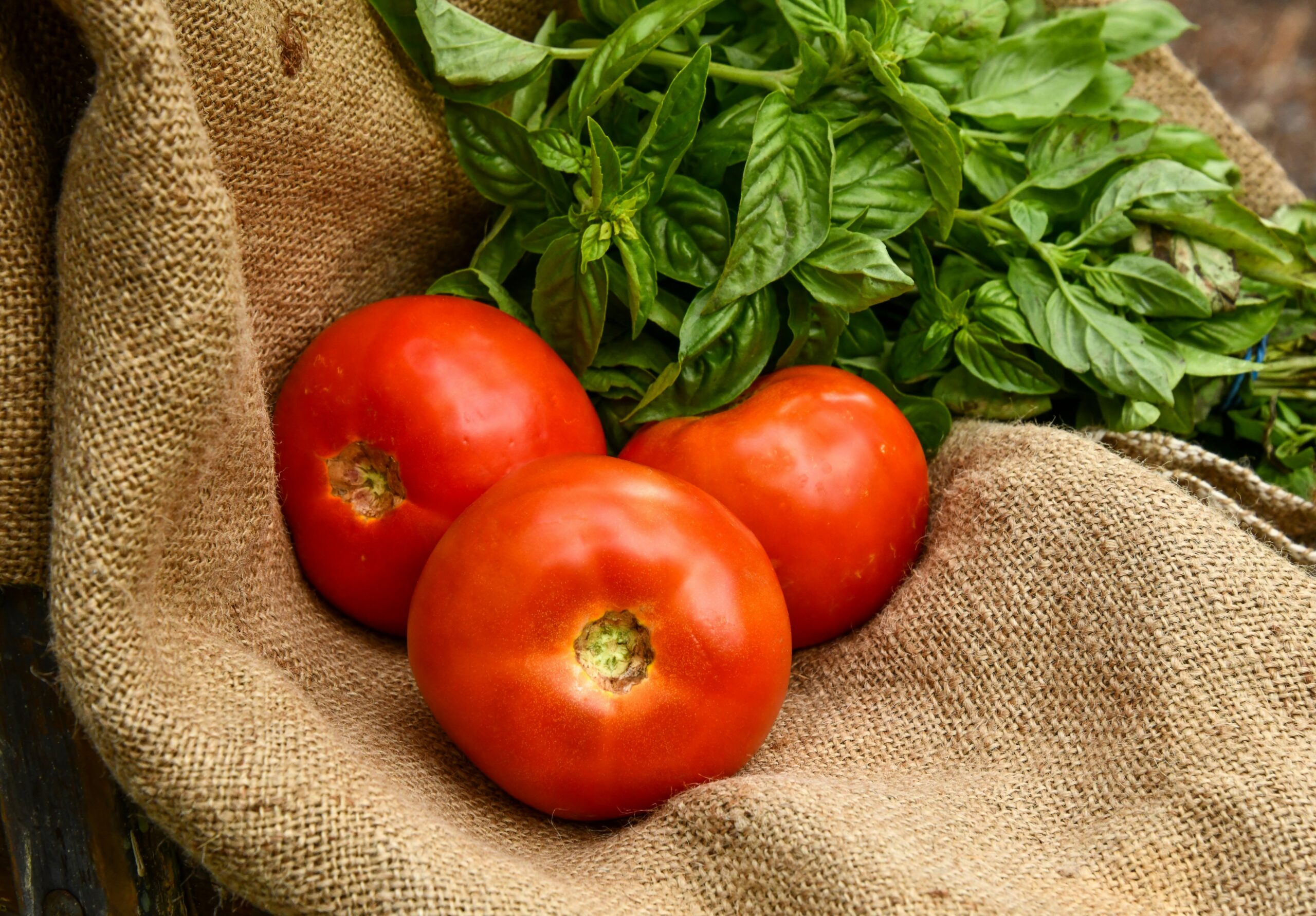
Basil and tomatoes grow together in Italian cuisine and it turns out they work in the garden too. The strong volatile oils in basil leaves are thought to repel thrips, aphids, and whitefly — all common tomato pests in UK polytunnels and greenhouses. Plant basil at the base of tomato plants, one basil plant per tomato. As a bonus, you’ll have fresh basil all summer for cooking.
Grow basil from seed on a windowsill from April, or buy pot-grown plants from any supermarket from May onwards. Don’t plant outside until after the last frost — basil is frost-tender.
French Marigolds — Your Secret Weapon
French marigolds (Tagetes patula — the small bushy ones, not the tall African variety) are possibly the single most useful companion plant in a UK vegetable garden. Their roots produce a substance that deters whitefly. Their bright flowers attract hoverflies, whose larvae eat aphids. And they’re cheerful, cheap, and easy to grow from seed.
Plant them around the perimeter of your tomato bed or in pots between your tomato containers. A single packet of seeds costs under £2 and produces dozens of plants.
💡 UK TIP: French marigold seeds are available in every UK garden centre from March. Sow indoors in April, transplant outside after the last frost in May. They’ll flower all summer and can be composted in autumn.
📖 Also read: Natural Slug Control That Actually Works — No Pellets, No Chemicals
Borage — The Pollinator Magnet
Borage is a tall, slightly hairy herb with beautiful blue star-shaped flowers that bees absolutely love. More bees visiting your garden means better pollination of your tomato flowers, which means more fruit. Borage also self-seeds freely — plant it once and it returns every year.
It grows fast from seed (direct sow outside from April) and reaches 60–90cm tall, so position it behind shorter plants. The flowers are edible and look beautiful in salads or frozen in ice cubes for summer drinks.
Carrots — Underground Allies
Carrots grown near tomatoes loosen the soil around tomato roots as they grow, improving drainage and aeration. Tomatoes in turn shade the soil surface, which carrots prefer for germination. They genuinely help each other without competing for the same resources.
Sow carrot seeds directly between tomato plants from April. Choose a shorter variety like Chantenay if your soil is shallow or compacted.
Garlic — The Natural Fungicide
Garlic planted near tomatoes is claimed to reduce the incidence of fungal diseases, including blight — the most devastating tomato disease in the UK. Garlic releases sulphur compounds into the soil that have mild antifungal properties. It’s not a cure, but as part of an overall approach to blight prevention, it’s worth planting.
Plant garlic cloves in October–November for harvest the following July. By the time your tomatoes are in the ground in May, the garlic is already established and working.
What NOT to Plant Near Tomatoes
Some plants actively harm tomato growth and should be kept well away:
- Fennel — Despite being slug-resistant and beneficial elsewhere in the garden, fennel produces chemicals that inhibit tomato root growth. Keep them at opposite ends of your plot.
- Brassicas — Cabbages, broccoli, and kale compete aggressively for the same nutrients. Don’t plant them near tomatoes.
- Corn — In large American gardens corn and tomatoes work well together, but in a small UK garden they’ll shade your tomatoes and compete for water.
A Simple Companion Planting Layout for UK Growers
If you’re growing tomatoes in pots on a patio or balcony, here’s a simple layout that works:
- Centre: 1 tomato plant in a 20–30 litre pot
- Surrounding pots: 1 basil plant in a 15cm pot directly next to each tomato
- Perimeter: 3–4 French marigold plants in smaller pots around the outside
- One borage plant in a larger pot nearby to attract pollinators
This arrangement takes up minimal space, looks attractive, and creates a working ecosystem that reduces your pest problems and improves your harvest — without any chemicals.
📖 Also read: How to Grow Garlic in the UK — The Complete Month-by-Month Guide
💡 MONEY SAVER: French marigold and borage seeds are among the cheapest seeds you can buy — often under £1.50 per packet. A single packet of each is enough for a whole season. Buy seeds rather than plants wherever possible.
Leave a Reply