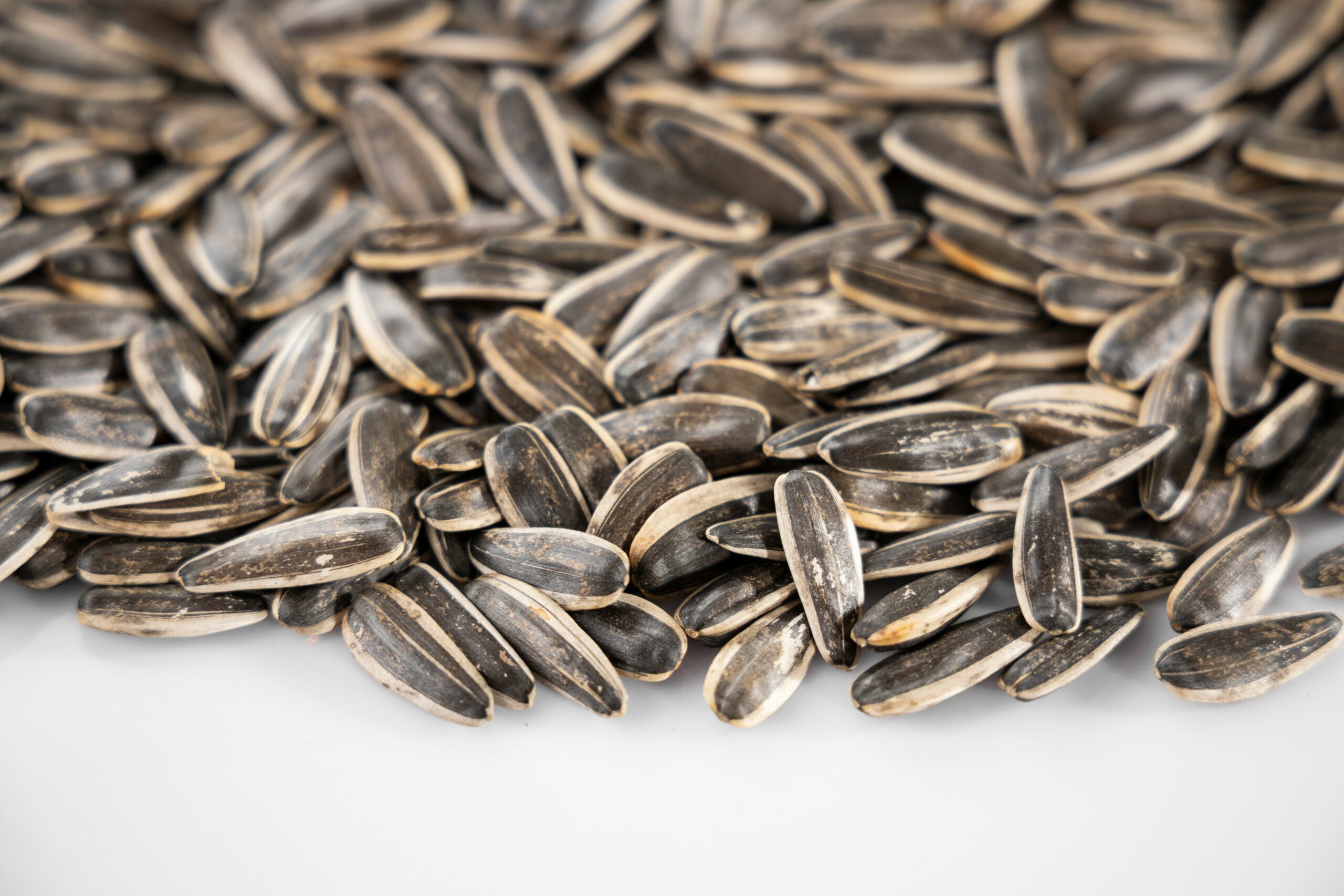
Every autumn, gardeners across the UK spend money buying seeds for next year — packets of tomatoes, beans, courgettes, flowers — when their own garden is sitting there producing seeds by the thousand, entirely for free. Seed saving UK gardeners have practised for generations costs nothing and can supply almost everything you need to grow next year, for free. Seed saving is one of the oldest skills in human history, it costs nothing, and once you start doing it you’ll wonder why you ever stopped.
This guide covers which seeds are worth saving, which aren’t, and the exact method for saving, drying, and storing seeds that will still germinate next spring.
Why Seed Saving UK Gardeners Swear By It
Saving seeds from your own plants means you’re gradually selecting for plants that perform well in your specific garden, your specific climate, and your specific soil. Over several generations, saved seeds become locally adapted — they germinate better, grow stronger, and produce more reliably than commercial seeds grown in different conditions.
This is why heritage and heirloom varieties — the ones that have been saved and passed down for generations — often outperform modern commercial varieties in older-style gardens. They’ve been selected over decades for actual garden performance, not just commercial shelf life.
Which Seeds Are Worth Saving — And Which to Avoid
Easy to save and reliable:
- French and runner beans — simply let a few pods go completely dry on the plant
- Peas — same as beans, let pods dry on the plant before harvesting
- Tomatoes — requires a simple fermentation process (covered below)
- Courgettes and squash — scoop seeds from fully ripe fruits
- Lettuce — let a plant bolt and flower, collect the fluffy seed heads
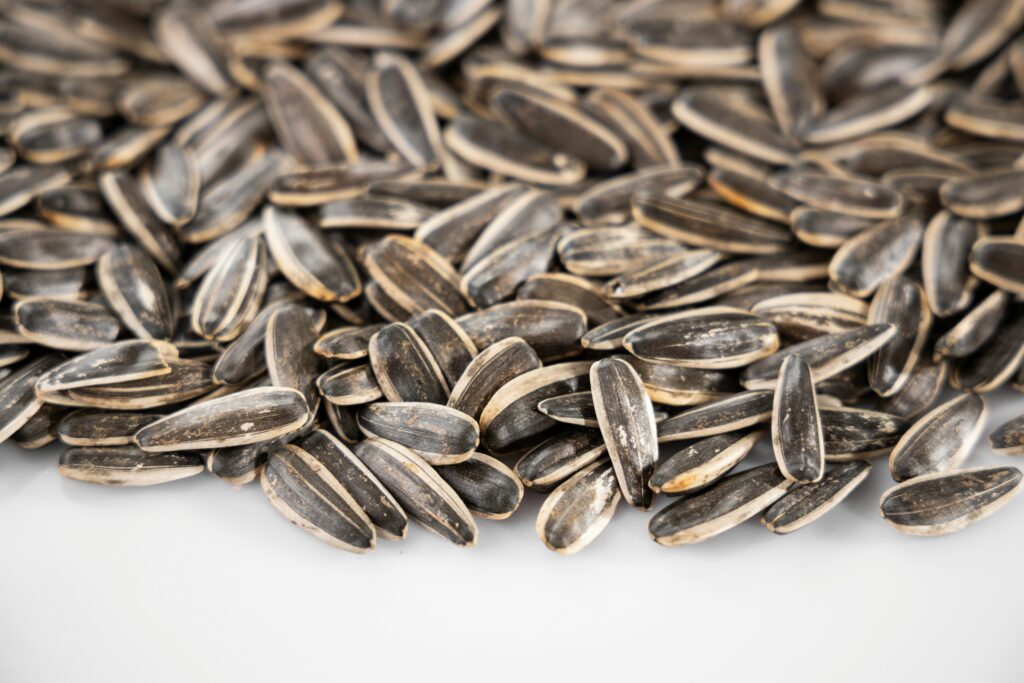
- Sunflowers — leave the head on the plant until fully dry, then rub out the seeds
Flowers worth saving:
- Nasturtium — large seeds, easy to collect, germinates readily
- Sweet peas — let pods dry on the plant and harvest before they burst
- Calendula (pot marigold) — let flower heads dry fully on the plant
- Nigella (love-in-a-mist) — distinctive inflated seed pods, simply shake seeds out when dry
Avoid saving these:
- F1 hybrid varieties — these are clearly labelled “F1” on seed packets. F1 hybrids don’t breed true — seeds from F1 plants produce wildly variable offspring, often reverting to inferior parent plants. Commercial varieties like Shirley F1 tomatoes or many supermarket-bought vegetable seeds are F1 hybrids. Look for open-pollinated or heirloom varieties if you plan to save seed.
💡 UK TIP: Heritage seed suppliers like Real Seeds (based in Wales) and the Heritage Seed Library run by Garden Organic sell open-pollinated varieties specifically selected for UK conditions and suitable for seed saving. Both are excellent UK resources that support seed diversity.
How to Save Tomato Seeds (The Fermentation Method)
Tomato seeds are coated in a gel that inhibits germination — in nature, this gel breaks down in the gut of animals or through fermentation in fallen fruit. To save tomato seeds properly you need to replicate this process.
- Choose your best, most fully ripe tomato from your healthiest plant
- Squeeze or scoop the seeds and gel into a small jar
- Add a splash of water
- Leave at room temperature for 2–3 days, stirring daily
- You’ll see mould forming on the surface — this is correct and expected
- After 2–3 days, pour the contents through a fine sieve and rinse the seeds thoroughly under cold water
- Spread the clean seeds on a piece of kitchen paper and leave to dry for 1–2 weeks in a warm spot
- Once completely dry (they should snap, not bend), store in a labelled envelope
How to Save Bean and Pea Seeds (The Easiest Method)
Simply leave your strongest, healthiest plants to produce a few pods that you won’t eat. Let these pods stay on the plant until they’ve turned yellow or brown and feel papery and dry. Then harvest the whole pod, shell the beans or peas, and spread them on a tray to dry indoors for another 2 weeks before storing.
If the weather turns wet before the pods have dried on the plant, cut the whole plant and hang it upside down in a dry shed or garage to finish drying. The pods will continue to dry as long as the plant has moisture in the stems.
Also read: Companion Plants for Tomatoes UK — What to Grow Side by Side
Drying and Storing Seeds Correctly
This is where most beginners go wrong. Seeds that aren’t fully dry before storage will rot or fail to germinate the following year.
Test for dryness: small seeds should shatter if hit with a hammer, not squash. Larger seeds should snap cleanly when bent, not bend flexibly. If in doubt, give them another week of drying.
For storage:
- Use paper envelopes or small paper bags, never plastic bags — seeds need to breathe
- Label with the variety name AND the year — this is critical. Seeds from different years have very different germination rates
- Store in a cool, dark, dry place — a tin in a cool cupboard or the bottom drawer of a fridge (not freezer) works well
- Most vegetable seeds stay viable for 2–4 years if stored correctly. Onion and parsnip seeds lose viability fastest — use within 1 year. Tomato, bean, and squash seeds last longest — often 4–5 years.
Also read: Stop Buying Compost — You’re Literally Throwing Away the Best Stuff in Your Bin
Testing Old Seeds Before the Growing Season
If you’re unsure whether saved seeds are still viable, test a sample in January or February before committing to planting. Place 10 seeds on a damp piece of kitchen paper, fold it over, seal in a plastic bag, and leave in a warm place for the germination time stated on the original packet. Count how many sprout — if fewer than 5 out of 10 germinate, the seeds are losing viability and you should sow more thickly than usual or buy fresh seed.
💡 UK SEED SWAP TIP: Seed swaps are a brilliant UK tradition that happens every February and March. Local gardening clubs, allotment societies, and organisations like Garden Organic run seed swaps where you bring surplus saved seeds and exchange them for varieties you don’t have. It’s free, social, and a great way to try new varieties without spending money. Search for seed swaps in your area — they’re everywhere.
Also read: How to Make Free Liquid Fertiliser from Weeds
Leave a Reply