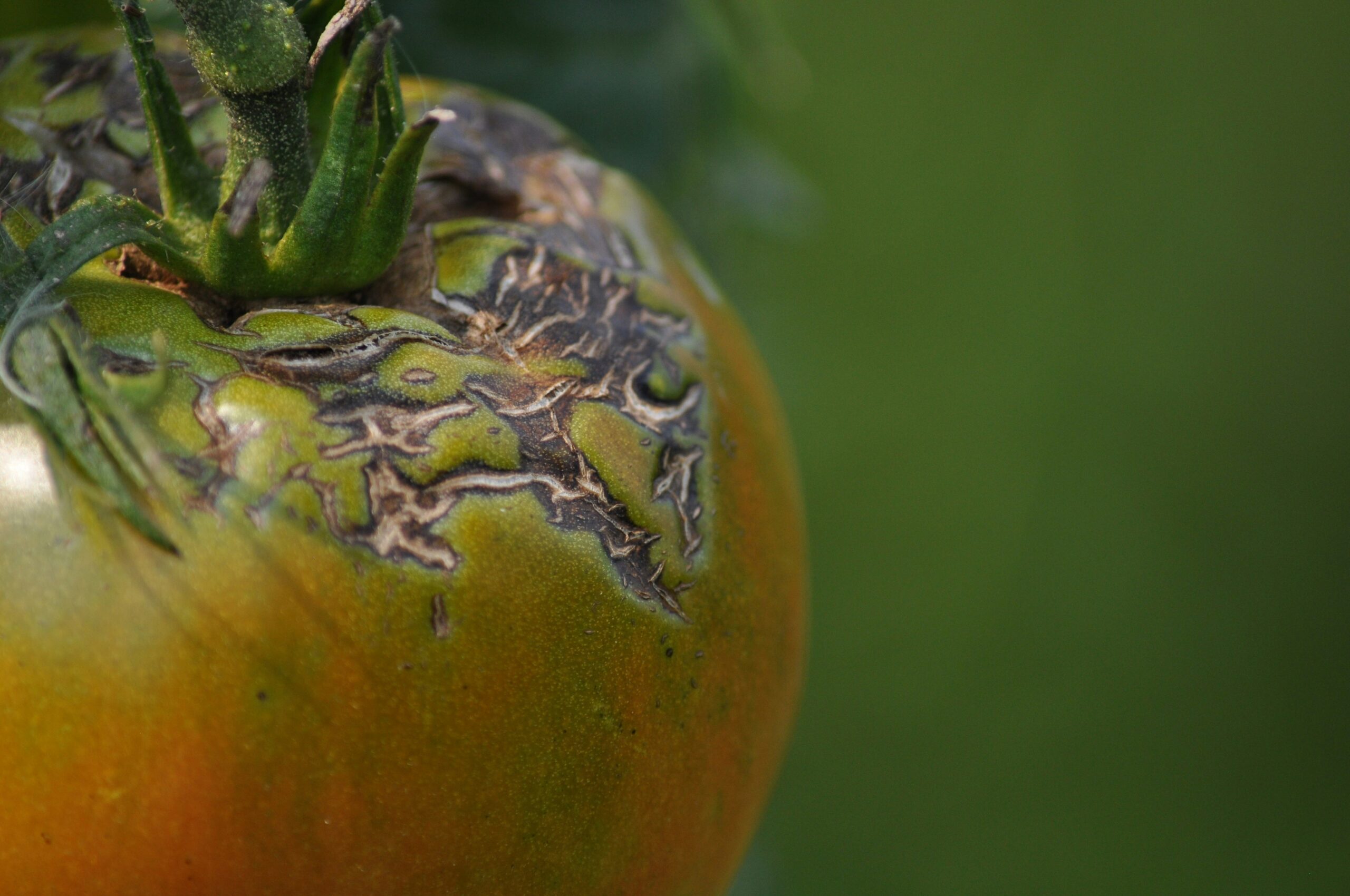
Blight on tomatoes and potatoes is the most demoralising thing that can happen in a British kitchen garden. Blight on tomatoes and potatoes strikes fast — a healthy-looking crop on Monday, dark patches spreading across the leaves by Wednesday, and by the weekend the whole plant collapsing into a blackened, evil-smelling ruin. If you’ve experienced it, you’ll know exactly how disheartening it is. If you haven’t yet, understanding what blight is and how to respond to it will save you from one of the most frustrating losses in the growing calendar.
The good news is that blight is manageable. You can’t always prevent it in a typical British summer — the conditions that favour it are simply part of our climate — but you can identify it early, limit the damage, protect what’s left, and make choices that reduce the risk significantly in future seasons.
What Is Blight?
Blight is caused by a water mould called Phytophthora infestans — not technically a fungus, though it behaves similarly. It’s the same pathogen that caused the Irish Potato Famine in the 1840s, which gives you some sense of how destructive it can be when conditions are right.
Phytophthora infestans thrives in warm, humid weather — specifically when temperatures are above 10°C and humidity is high for 48 hours or more. In practice, this describes much of the British summer from July onwards. The spores are carried by wind and rain, which means blight can arrive in your garden without any contact with infected plants. One infected plot in your area can spread spores across a wide radius.
Both tomatoes and potatoes are members of the same plant family (Solanaceae), which is why the same pathogen affects both. Peppers and aubergines are also in this family, though they’re less commonly affected in UK conditions.
How to Recognise Blight Early
Early identification is the single most important factor in limiting blight damage. The sooner you spot it, the more you can do.
On tomatoes: The first signs are usually dark brown or olive-green patches on the leaves — often starting at the edges or tips. These patches spread rapidly, and the affected leaf tissue may develop a pale, water-soaked appearance underneath. White or grey fluffy growth on the undersides of leaves in humid conditions is a sure sign. Stems develop dark brown streaks. Eventually fruits are affected — turning brown and rotting, often with a firm, corky texture rather than the soft rot of other diseases.
On potatoes: Again, look for dark brown patches on the leaves, often with a yellow border and white mould on the underside in humid weather. Stems blacken and collapse. The most serious damage, though, is underground — blight travels down the stems and infects the tubers, causing them to develop reddish-brown rot beneath the skin. An apparently healthy potato can be rotten inside, and infected tubers in storage will spread the disease to healthy ones.
Check your plants every few days from July onwards, especially after warm, humid weather. The RHS has detailed images and guidance on identifying potato and tomato blight which are worth bookmarking.
📖 Also read: I Wasted Three Summers Growing Tomatoes Wrong — Here’s What Actually Works
What to Do When You Find Blight on Tomatoes
Act immediately — every hour matters once blight takes hold.
Remove affected growth: Cut off any leaves or stems showing symptoms and dispose of them in the general waste bin — not the compost heap, where the pathogen can survive. If more than a third of the plant is affected, the prognosis is poor and you may need to decide whether to remove the whole plant to protect neighbouring ones.
Stop watering overhead: Water at the base only, and ideally in the morning so foliage dries quickly. Wet foliage accelerates the spread of blight spores.
Salvage green tomatoes: If your tomato plants are heavily blighted, harvest all tomatoes — green and part-ripened — immediately. Green tomatoes will ripen indoors on a windowsill over the following two to three weeks. They won’t be quite as flavourful as vine-ripened fruit, but they’re far better than losing the crop entirely. Place them in a single layer in a warm room, not touching each other, and check daily.
Greenhouse tomatoes: Blight is far less common in greenhouse-grown tomatoes because the pathogen needs the wet, humid outdoor conditions to thrive. If you grow tomatoes under glass, keep ventilation good and avoid splashing foliage when watering — these simple steps significantly reduce the risk.
What to Do When You Find Blight on Potatoes
The approach for potatoes is slightly different because the main crop you’re trying to save is underground.
Cut the haulm: As soon as blight is confirmed on potato foliage, cut all the stems down to ground level and remove them from the site. This sounds drastic but it’s the right call — it stops the blight travelling further down into the tubers. Leave the tubers in the ground for at least two to three weeks after cutting the haulm; this allows the skins to set and harden, which makes them more resistant to any blight spores left in the soil.
Harvest carefully: When you do harvest, check tubers carefully. Any showing signs of rot — reddish-brown discolouration beneath the skin — should be removed and binned, not stored. Even a small amount of infected tuber in a storage box can spread to the rest of the crop within weeks.
Don’t use infected tubers as next year’s seed potatoes: This sounds obvious but it’s worth stating. Always buy fresh certified seed potatoes each year rather than saving your own from a blighted crop.
📖 Also read: How to Grow Potatoes in Bags
Preventative Spraying
Copper-based fungicides — available in organic-approved formulations such as Bordeaux mixture or copper oxychloride — can be used preventatively to reduce the risk of blight. They don’t cure existing infection but they do create a protective barrier on leaf surfaces that makes it harder for spores to take hold.
In a year when blight conditions are forecast — which the Blightwatch service (run by AHDB) tracks and alerts gardeners to — spray preventatively every seven to ten days from mid-June onwards on outdoor tomatoes and potatoes. Follow the product instructions carefully, and stop spraying at least a week before harvest.
It’s worth noting that preventative spraying is not something most allotment gardeners bother with in a normal year — it makes more sense as a response to a known high-risk season, or if you’ve had severe blight in previous years and want to give yourself the best possible chance.
Blight-Resistant Varieties: The Best Long-Term Solution
If blight is a recurring problem in your garden or on your allotment, choosing resistant varieties is the single most effective long-term strategy. Modern breeding has produced tomato and potato varieties with significantly better blight tolerance, and growing them makes a real difference.
Blight-resistant tomatoes:
- Crimson Crush — one of the most reliably blight-resistant varieties currently available, producing large, flavoursome fruits. Widely available from UK seed suppliers.
- Ferline — another strong performer with good blight resistance, producing classic-looking round red fruits.
- Koralik — a small cherry tomato with good blight resistance, ideal for containers and grow bags.
- Losetto — compact, cherry-fruited, and bred specifically for blight resistance. Works well in pots on a patio.
Blight-resistant potatoes:
- Sarpo Mira — the gold standard for blight resistance among UK potato varieties. Very high resistance, large yields, and a floury texture good for baking and roasting. Not the most refined flavour but exceptional resilience.
- Sarpo Axona — similar resistance to Sarpo Mira but with a slightly better flavour and a more all-purpose texture.
- Setanta — good blight resistance with a red skin and creamy flesh. A popular choice on allotments.
- Orla — an early variety with reasonable blight resistance, useful for getting an early harvest before peak blight season in August.
None of these varieties are completely immune — in a severe blight year, even resistant varieties can show some symptoms — but they give you a fighting chance when unprotected standard varieties have already collapsed.
📖 Also read: How to Get Rid of Aphids Naturally
Reducing Risk Through Garden Practice
Beyond variety choice, several straightforward practices reduce blight pressure in your garden year on year.
Rotate your crops: Don’t grow tomatoes or potatoes in the same patch of ground for consecutive years. Rotation — ideally on a four-year cycle — reduces the build-up of soil-borne pathogens and gives your plot time to recover. On an allotment where neighbouring plots may also have had blight, this matters less for airborne spread but still helps with soil-borne disease.
Grow tomatoes under cover: Moving tomatoes into a greenhouse, polytunnel, or even a walk-in cloche dramatically reduces blight risk. The pathogen needs the combination of warmth and moisture that outdoor British summers provide. Under cover, with good ventilation, tomatoes are far less vulnerable.
Improve air circulation: Crowded plants with poor air flow are more susceptible to blight taking hold. Space plants generously, pinch out sideshoots on cordon tomatoes, and remove lower leaves that are touching the soil.
Water at the base, never overhead: This simple habit makes a meaningful difference. Damp foliage provides the ideal conditions for blight spores to germinate. Drip irrigation or a watering can directed at the base of the plant keeps foliage dry.
Clear up thoroughly in autumn: Remove all potato and tomato plant debris at the end of the season. Blight can overwinter in plant material and volunteer potato plants (those that sprout from tubers left in the ground). A thorough autumn clear-up reduces the inoculum available to infect next year’s crop.
Accepting Blight as Part of UK Growing
One final thought: blight is part of growing tomatoes and potatoes outdoors in Britain. Our climate is almost perfectly suited to it — warm enough for the pathogen to thrive, wet enough to spread it. Some summers will be relatively blight-free; others will see it arrive early and spread fast across every allotment in the country.
The goal isn’t to eliminate blight — that’s not realistic for most gardeners. The goal is to reduce its impact through good variety choice, sensible spacing and watering, and rapid response when it does appear. Growers who understand blight and plan for it lose significantly less than those who are caught off-guard every July. And in a good year — a warm, dry summer with little humidity — you might not see it at all.
Leave a Reply