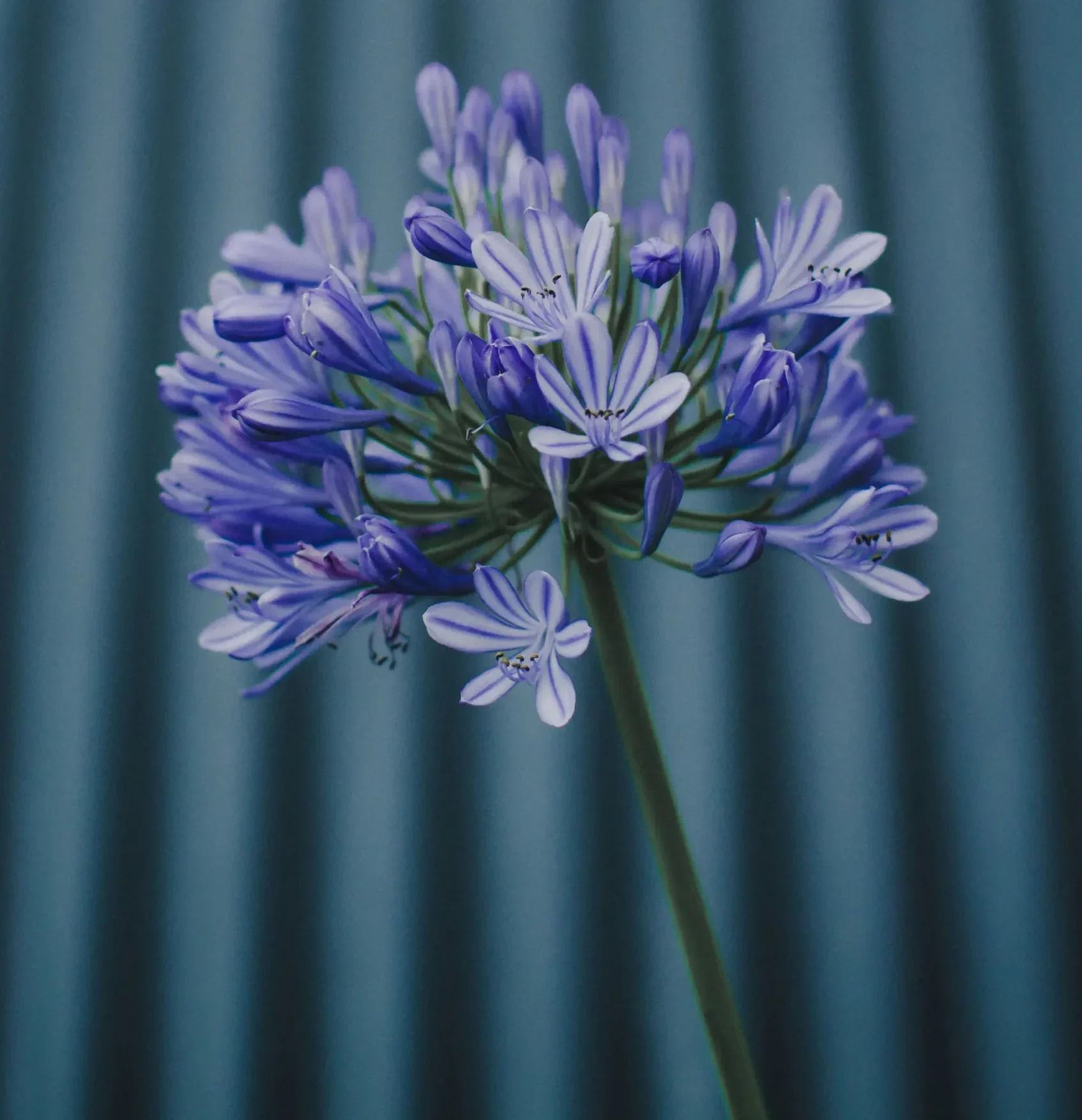
If you’ve ever walked past a garden in late July and done a double-take at those magnificent drumstick heads of blue or white flowers swaying above a tidy clump of strappy leaves, you’ve already met agapanthus. Learning how to grow agapanthus in the UK is easier than most people assume — and once you crack it, you’ll wonder why you waited so long. These are the plants that earn gasps from neighbours and questions from strangers, and they deliver that drama year after year with surprisingly little fuss from you.
Agapanthus (also known as African lily) originates from South Africa, which is why some gardeners worry it can’t cope with a British summer. The truth is that plenty of varieties are perfectly hardy here — and for the more tender evergreen types, a bit of winter protection is all that stands between you and a spectacular summer display. Whether you’ve got a sunny border in Surrey or a south-facing balcony in Edinburgh, there’s an agapanthus that will work for you.
Deciduous vs Evergreen — Which Agapanthus Is Right for Your UK Garden?
This is the first decision you need to make, and it matters more in the UK than anywhere else. Deciduous agapanthus lose their leaves in winter and are, broadly speaking, the hardier of the two groups. Varieties like the RHS Award of Garden Merit winner Agapanthus ‘Loch Hope’ — named, fittingly enough, after a loch in the Scottish Highlands — will shrug off a decent frost without any fuss. If you garden in the north of England, Scotland, or in a particularly exposed spot, deciduous types are your safest bet.
Evergreen agapanthus, on the other hand, hold onto their leaves all year round and tend to be the more tender, sun-loving varieties. They can be breathtaking — lush, architectural, and floriferous — but they do need a bit more looking after once the temperature drops. In mild coastal areas like Cornwall or the Isles of Scilly you’ll see evergreen agapanthus growing in borders year-round without protection. Further inland, growing them in containers so you can move them under cover in November is the sensible approach.
📖 Also read: Growing Blueberries in Pots in the UK
How to Grow Agapanthus in the UK — Planting, Care and Winter Protection
The best time to plant agapanthus in the UK is spring — from late March through April — once the worst of the cold has passed and the soil is beginning to warm up. If you’re planting in a border, choose a spot in full sun with free-draining soil. Agapanthus genuinely loathe sitting in wet soil over winter, and more plants are lost to waterlogging than to frost. If your garden has heavy clay soil, it’s worth digging in plenty of grit and organic matter before planting, or — better still — growing them in containers where you have full control over drainage.
When planting from bare rhizomes, bury them so the noses sit about 5cm below the surface. If you’re transplanting from a pot, plant at the same depth the plant was growing. Space plants roughly 40–60cm apart in a border — they may look lonely at first, but agapanthus are clump-formers and will gradually expand into generous, weed-suppressing mounds. Resist the urge to crowd them.
Container growing is a brilliant option in the UK, particularly for evergreen types. Use a pot at least 20–23cm in diameter — John Innes No. 2 or a peat-free multi-purpose compost with added grit works well. One thing to bear in mind: agapanthus actually like being slightly snug in their pots, but they’re not the type of plant that “flowers better when pot-bound” as the old myth goes. If the plant has been in the same container for three or four years and flowering has dipped, it’s time to pot on into something just 5cm larger, or divide the clump in spring.
📖 Also read: Container Gardening Ideas for Small UK Gardens
Growing Agapanthus in the UK — Ongoing Care Through the Seasons
Once established, agapanthus are genuinely low-maintenance plants — which is part of their appeal. During spring and early summer, water border-grown plants only if things are unusually dry. Container plants need more regular watering, but avoid overwatering; the compost should be moist rather than sodden. From late spring through to early autumn, feed container plants with a liquid seaweed fertiliser every few weeks — this supports strong flower stem development without pushing too much leafy growth.
Deadhead spent flowers by cutting the stem right down to its base. This encourages the plant to put energy into developing next year’s flower buds rather than setting seed. That said, many gardeners leave a few seedheads on the plant through autumn and early winter — they look architectural and catch the frost beautifully. Just cut them back before spring growth gets going.
One thing that catches people out: agapanthus need moisture in late summer even after flowering has finished. This is precisely when next year’s flower buds are forming inside the plant. Let your border agapanthus dry out completely in August or September, and you may find it sulks the following summer with very few stems. A good soak every couple of weeks during a dry late summer is well worth doing.
📖 Also read: How to Grow Dahlias in the UK — Big Blooms from a Tiny Budget
How to Overwinter Agapanthus in the UK
Winter protection is where many UK gardeners go wrong with agapanthus — either by doing nothing at all, or by moving perfectly hardy plants into heated spaces and confusing them. The approach depends on what you’re growing and where you live.
For hardy deciduous types growing in borders, a deep mulch of bark, straw, or home-made compost applied in November — around 15cm thick over the crown — is usually all they need. Remove it in spring as new growth appears. For border plants in colder parts of the UK, wrapping the crown with two or three layers of biodegradable horticultural fleece from November to early April gives an extra level of reassurance.
Container plants — whether hardy or tender — benefit from being moved to a sheltered spot: the base of a south- or west-facing wall, a cold greenhouse or even a frost-free porch. Wrap the pot itself in repurposed bubble wrap or hessian to protect the roots from freezing through the sides. Tender evergreen types should come into a cool, frost-free greenhouse or conservatory — don’t bring them into a warm living room, as too much winter warmth triggers early, weak flowering. Keep compost barely moist over winter; don’t water as you would in summer.
📖 Also read: Greenhouses and Polytunnels — Which One Does a UK Beginner Actually Need?
Why Isn’t My Agapanthus Flowering?
This is the most common complaint about agapanthus, and it almost always comes down to one of four causes. Too much shade is the biggest culprit — agapanthus need a genuinely sunny spot and will produce leaves readily in partial shade whilst stubbornly refusing to flower. Not enough water in late summer is the second: as covered above, this is when next year’s buds are set, so dryness at this time has consequences you won’t see until the following July. Being excessively pot-bound is the third — despite the old wisdom, plants left in the same tight container for too many years will eventually stop performing. And finally, lack of winter protection kills off tender varieties or weakens hardy ones enough that they take a season to recover.
If your agapanthus has been in a container for more than three years without potting on, try moving it into a container just 5cm larger in spring, feed it regularly from April to September, and give it the sunniest position you have. In most cases, that’s enough to bring it back into full flower the following summer.
The Best Agapanthus Varieties to Grow in the UK
The range of agapanthus available to UK gardeners has expanded enormously over the past decade, and it can feel overwhelming. For a reliable, hardy border plant, ‘Loch Hope’ remains one of the finest — deep blue flowers on tall stems, fully deciduous, and tough enough to handle a northern English winter. ‘Midnight Star’ is a more compact option with exceptionally dark, near-violet flowers that look stunning alongside silvery grasses. For a white variety, ‘White Heaven’ is hard to beat — clean, tall, and elegant in a way that works equally well in a formal Chelsea-style garden or a relaxed cottage planting.
If you’re growing in pots on a patio, the dwarf variety ‘Lilliput’ is genuinely excellent — it reaches only about 40cm, produces loads of bright blue flowers, and fits comfortably into a container that won’t take over your whole terrace. It’s widely available from garden centres across the UK, including Thompson & Morgan, and is a brilliant starting point if you’re new to agapanthus altogether.
📖 Also read: The Best Bulbs to Plant in Autumn for a Spectacular UK Spring Garden
Propagating Agapanthus — Making More for Free
The easiest and most reliable way to propagate agapanthus is by division, and spring is the time to do it — late March into April, just as new growth starts to show. Lift the clump carefully, shake off as much soil as you can, and use a sharp spade or knife to divide it into smaller sections, each with a decent number of shoots and roots. Replant at the same depth, water in well, and expect a quieter year flowering-wise as the divisions settle in. By the following summer they’ll be performing as if nothing happened.
Growing agapanthus from seed is possible and genuinely interesting — every seedling will be slightly different from its parent — but it takes patience. Seed-grown plants typically take three to five years to flower for the first time, so division is almost always the better option for most gardeners. If you do want to try seed, sow in spring in a heated propagator at around 15–18°C and keep the seedlings growing on in pots for their first couple of winters before planting out.
📖 Also read: How to Grow Peonies in the UK — The Most Spectacular Flowers of Early Summer
Is Agapanthus Worth Growing in the UK?
Unreservedly, yes. There are very few plants that deliver the same level of visual drama for such a modest amount of effort. From mid-July through to September, agapanthus fill a gap in the garden calendar that few other plants can touch — that long midsummer stretch when spring bulbs are long gone and autumn colour hasn’t arrived yet. The combination of bold, architectural foliage and those extraordinary flowerheads in shades of blue, purple, and white is simply hard to replicate with anything else.
Get the basics right — full sun, decent drainage, a little winter protection, and water in late summer — and agapanthus will repay you with decades of reliable summer flowering. If you want to grow agapanthus in the UK successfully, those four principles are genuinely all you need to remember. That’s a pretty good deal for any garden.
Leave a Reply