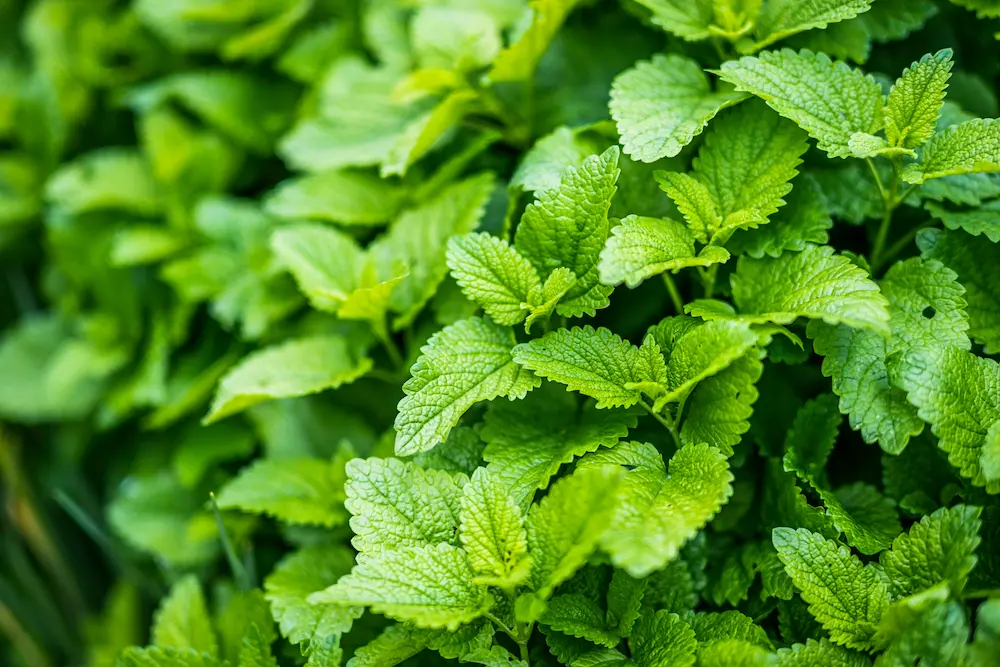
Ask any experienced UK gardener about mint and you’ll likely get a knowing look followed by a cautionary tale. The decision to grow mint in the UK without a containment plan is one of the most reliably regretted mistakes in British gardening — right up there with buying an ornamental bamboo for a small garden or planting horseradish near the vegetables. Mint is a wonderful, endlessly useful herb, but left to its own devices in open soil it will spread via underground runners (rhizomes) until it has colonised far more of your garden than you ever intended. The good news is that the fix is simple, cheap, and actually makes the plant grow better too.
Once you understand how mint spreads and apply one straightforward technique, you can grow it absolutely anywhere — in borders, raised beds, containers, window boxes, or right next to your back door — without any fear of it becoming a problem. And once it’s properly managed, you’ll wonder how you ever cooked without a supply of fresh leaves right through the growing season.
📖 Also read: The Easiest Vegetables to Grow for UK Beginners — Start Here
Why Mint Spreads So Aggressively in UK Gardens
Understanding the problem is the first step to solving it. Mint spreads not through seeds (although it can self-seed too) but primarily through underground stems called rhizomes. These creeping roots travel horizontally through the soil, sending up new shoots wherever they go. In the damp, mild conditions that most UK gardens provide for a good part of the year, rhizomes can extend 30cm or more in a single growing season. A plant that looked perfectly contained in April can be appearing three feet away in an adjacent border by July, having silently threaded its way under a path or through the gaps in raised bed boards.
The vigour varies considerably between varieties — spearmint and common garden mint are among the most enthusiastic spreaders, while some of the more unusual flavoured types are a little better behaved — but no mint should be trusted in open soil without some form of physical barrier. The RHS specifically recommends growing mint in a container rather than directly in beds or borders, and this is advice that every gardener who has ever tried to remove established mint from a mixed border will wish they’d followed from the beginning.
The Sunken Pot Method — The Best Way to Grow Mint in the UK
The most elegant solution — and the one recommended by experienced herb growers across the UK — is the sunken pot method. Take a large plastic pot (at least 30cm across), ideally one with a solid base, and remove or block the drainage holes as best you can, or choose a pot with very small holes that rhizomes can’t escape through. Fill it with peat-free multipurpose compost, plant your mint, and then sink the entire pot into the ground in your chosen spot so that the rim sits about 2–3cm above soil level. That raised rim is crucial — without it, rhizomes will simply creep over the top and escape into the surrounding soil.
The result looks completely natural. Visitors will have no idea the plant is in a pot — it simply looks like a clump of mint growing in your border or herb bed — but the roots are entirely contained. The plant can’t spread, you can pull it up easily for division every couple of years, and if you ever want to move it or remove it entirely, you just lift the pot out. This method works just as well in raised beds, where you sink the pot into the growing medium rather than garden soil.
📖 Also read: How to Grow Blueberries in Pots in the UK
Growing Mint in Containers Above Ground
If you don’t want to sink a pot into the ground, growing mint in containers above ground is equally effective and particularly useful if you want it close to the kitchen. A pot on the windowsill, a container by the back door, or a window box on a sunny ledge all work brilliantly for mint, and the convenience of snipping a few sprigs without even going to the garden proper is genuinely transformative for everyday cooking. A good-sized terracotta pot — at least 25–30cm in diameter — will support a productive plant through the whole season.
The one thing to stay on top of with container-grown mint is watering, particularly during dry summer spells. Mint is thirstier than many herbs and will wilt dramatically if the compost dries out completely, though it usually recovers well once watered. Checking the pot every couple of days in summer and giving it a good soak when the top centimetre of compost feels dry is all it needs. Pots on sunny, sheltered patios will dry out faster than those in partial shade, so position with this in mind if possible. In the hottest weeks, moving the pot to a slightly shadier spot will reduce watering frequency and keep the leaves looking their best.
📖 Also read: Container Gardening Ideas for Small UK Gardens — How to Grow a Lot in Very Little Space
The Best Mint Varieties to Grow in the UK
One of the unexpected pleasures of growing mint properly — once you’re not just scrambling to contain the stuff — is discovering how many varieties there are and how different they taste. Traditional spearmint (Mentha spicata) is the classic for new potatoes, peas and mint sauce, and it’s the one most people grow without thinking. Peppermint (Mentha × piperita) has a stronger, sharper flavour that works beautifully in teas and cocktails. Moroccan mint — a variety of spearmint with a particularly sweet, clean flavour — is widely regarded as the best all-round culinary mint and makes an outstanding pot of tea.
For something more unusual, apple mint has large, softly downy leaves and a gentle flavour that suits fruit salads and Pimm’s especially well. Chocolate mint sounds gimmicky but genuinely has a faint cocoa edge to its peppermint base and is excellent in desserts and hot drinks. Pineapple mint, with its attractive cream-edged variegated leaves, is almost as decorative as it is tasty and earns its place in a container near the door on looks alone. The best approach if you’re just starting out is to visit a herb nursery — there are excellent specialist suppliers across the UK, including many based in Kent and Somerset — and smell before you buy. The variation between varieties is remarkable and entirely worth exploring.
Harvesting and Cutting Back — How to Keep Mint Productive All Season
One of the things most beginners get wrong with mint is being too cautious about harvesting. Mint genuinely grows better the more you pick from it — regularly harvesting the young shoot tips keeps the plant bushy and compact, prevents it from going leggy, and stimulates the production of fresh, intensely flavoured growth. The soft young tips at the end of each stem are always the most aromatic part of the plant, so aim to pinch those off regularly rather than waiting and cutting large amounts all at once.
When the plant flowers — typically between July and September — the leaves become slightly less flavoursome as the plant puts energy into reproduction. Once flowering is finished, cut the whole plant down hard to about 5cm above the compost. It sounds drastic but mint recovers within a few weeks, sending up a flush of fresh new shoots that you can harvest right through to the first frosts. This hard cut after flowering is one of the best-kept secrets in herb growing and the difference it makes to a plant’s productivity in late summer is remarkable.
In autumn, as the stems die back naturally, cut them down to the base and leave the pot somewhere sheltered — against a wall or under a bench — through winter. You can also bring a pot indoors onto a sunny windowsill in October to extend your harvest through the colder months. New growth will appear reliably in March or April as the days lengthen, and the cycle begins again. A well-managed potted mint plant can produce harvests for five years or more without any particular effort on your part.
📖 Also read: How to Grow Spinach and Salad Leaves Year-Round in the UK
What to Do If Mint Has Already Escaped Into Your Garden
If you’re reading this a little too late and mint is already threading its way through a border, the first thing to know is that patience and persistence beat chemical intervention every time. Dig out every shoot and as much of the white rhizome as you can find, working systematically across the affected area. Any fragment of rhizome left in the soil can regrow, so expect to revisit the patch several times over the coming weeks as missed pieces re-emerge. Don’t compost the rhizomes — bin them, or they’ll simply take root in your compost heap and give you an exciting new problem.
In a mixed border where digging risks disturbing other plants, regular cutting down of any mint shoots as soon as they appear will eventually exhaust the underground rhizomes — it takes a full growing season of consistent effort but it works. The key is not letting a single shoot reach any size before cutting it down, which prevents the plant from photosynthesising and replenishing its root reserves. Once you’ve cleared it, replant using the sunken pot method described above and you’ll never have the problem again. Growing mint in the UK, done properly, is one of gardening’s real pleasures — it just requires that one moment of learning from experience.
📖 Also read: How to Get Rid of Aphids Naturally — The UK Gardener’s Guide
Leave a Reply